
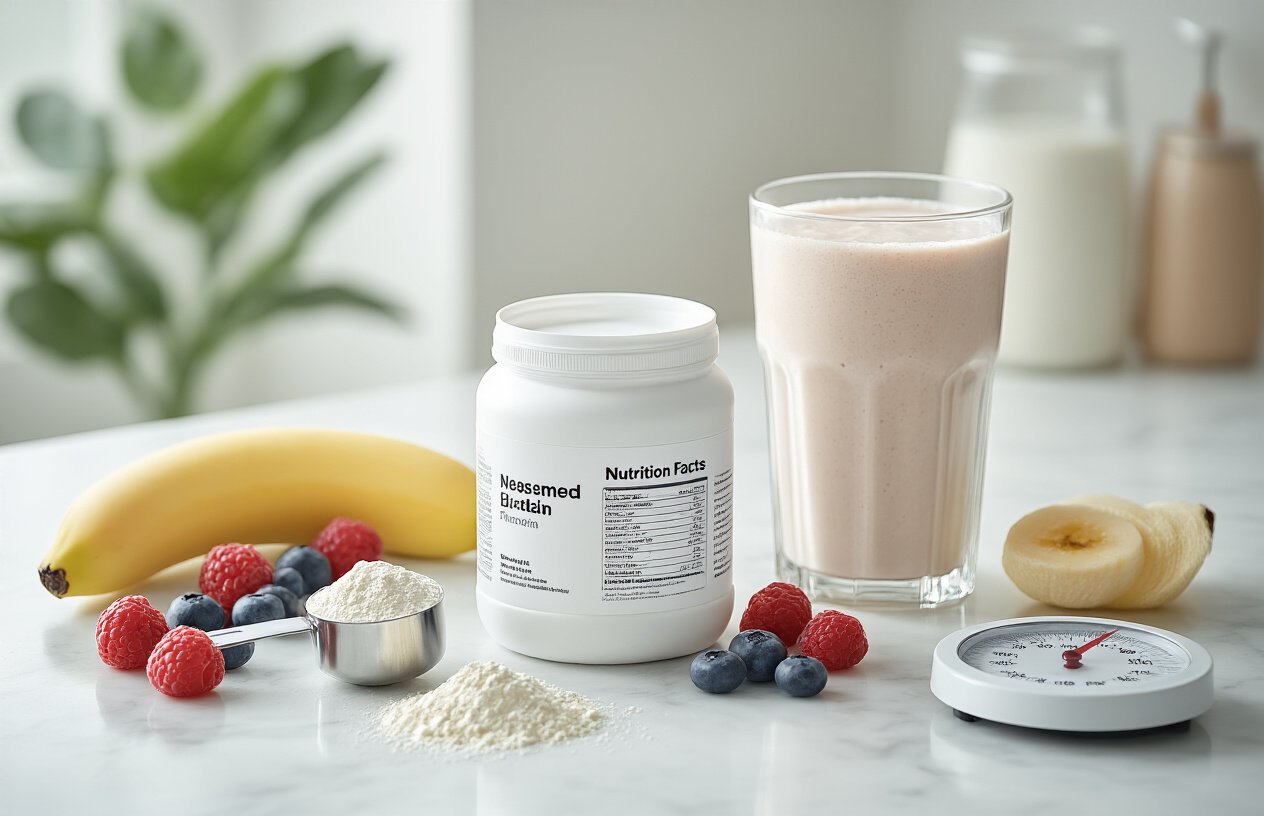
Picture this: you’re standing in the supplement aisle, overwhelmed by rows upon rows of colorful protein powder containers. Each one PROMISES to be the best, the most effective, the game-changer you’ve been waiting for. But which one actually delivers? You’re not alone in this confusion – millions of people face this same dilemma every day when trying to choose the right protein powder for their FITNESS goals.
Protein powder has become more than just a bodybuilder’s secret weapon. It’s now a STAPLE in kitchens across America, from busy moms trying to get more nutrition into their day to weekend warriors looking to recover faster from their workouts. But here’s the thing – not all protein powders are created equal. Some are packed with unnecessary additives, while others might not even contain enough quality protein to make a difference in your health journey.
In this comprehensive guide, we’ll cut through all the marketing NOISE & help you understand what makes a protein powder truly exceptional. We’ll explore the different types available, discuss what to look for on labels, & reveal the top contenders that consistently deliver results. Whether you’re looking to build muscle, lose weight, or simply add more quality protein to your diet, this article will arm you with the knowledge you need to make an INFORMED decision. Get ready to discover the protein powders that are actually worth your hard-earned money.
Understanding the Different Types of Protein Powder
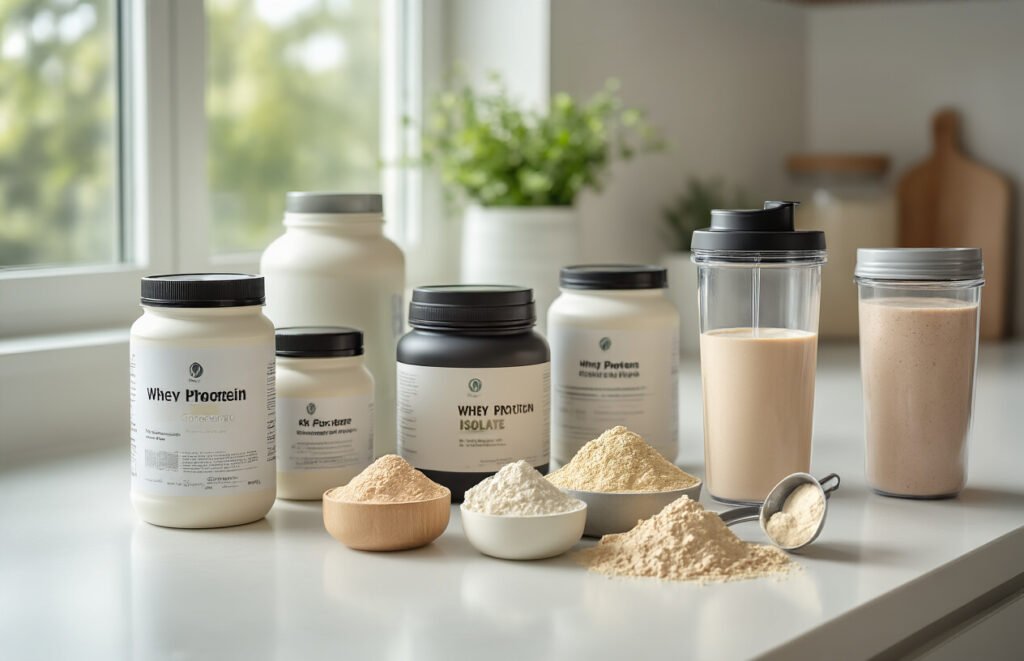
When you start shopping for protein powder, you’ll quickly realize there are several different TYPES to choose from. Each type has its own unique benefits & characteristics that make it suitable for different goals & dietary needs. Let’s break down the most common varieties so you can understand which might work best for your situation.
Whey protein is probably the most POPULAR option you’ll encounter. It comes from milk during the cheese-making process & is considered a complete protein, meaning it contains all nine essential amino acids your body needs. Whey digests quickly, making it perfect for post-workout recovery when your muscles are HUNGRY for nutrients. It comes in three main forms: concentrate, isolate, & hydrolysate. Concentrate is the most affordable but contains some lactose & fat. Isolate is more processed, removing most lactose & fat, while hydrolysate is pre-digested for even faster absorption.
Casein protein is whey’s slower-digesting cousin, also derived from milk. While whey rushes to your muscles quickly, casein provides a STEADY stream of amino acids over several hours. This makes it excellent for nighttime use or when you know you’ll go long periods without eating. Many people mix casein with water or milk before bed to support muscle recovery while they sleep.
Plant-based proteins have exploded in POPULARITY recently, & for good reason. Options like pea protein, hemp protein, rice protein, & soy protein offer excellent alternatives for vegans, vegetarians, or anyone with dairy sensitivities. While individual plant proteins might not always contain all essential amino acids in optimal ratios, many manufacturers create blends that provide complete amino acid profiles. These options often come with additional BENEFITS like fiber, antioxidants, & other nutrients naturally found in plants.
Key Factors to Consider When Choosing Protein Powder
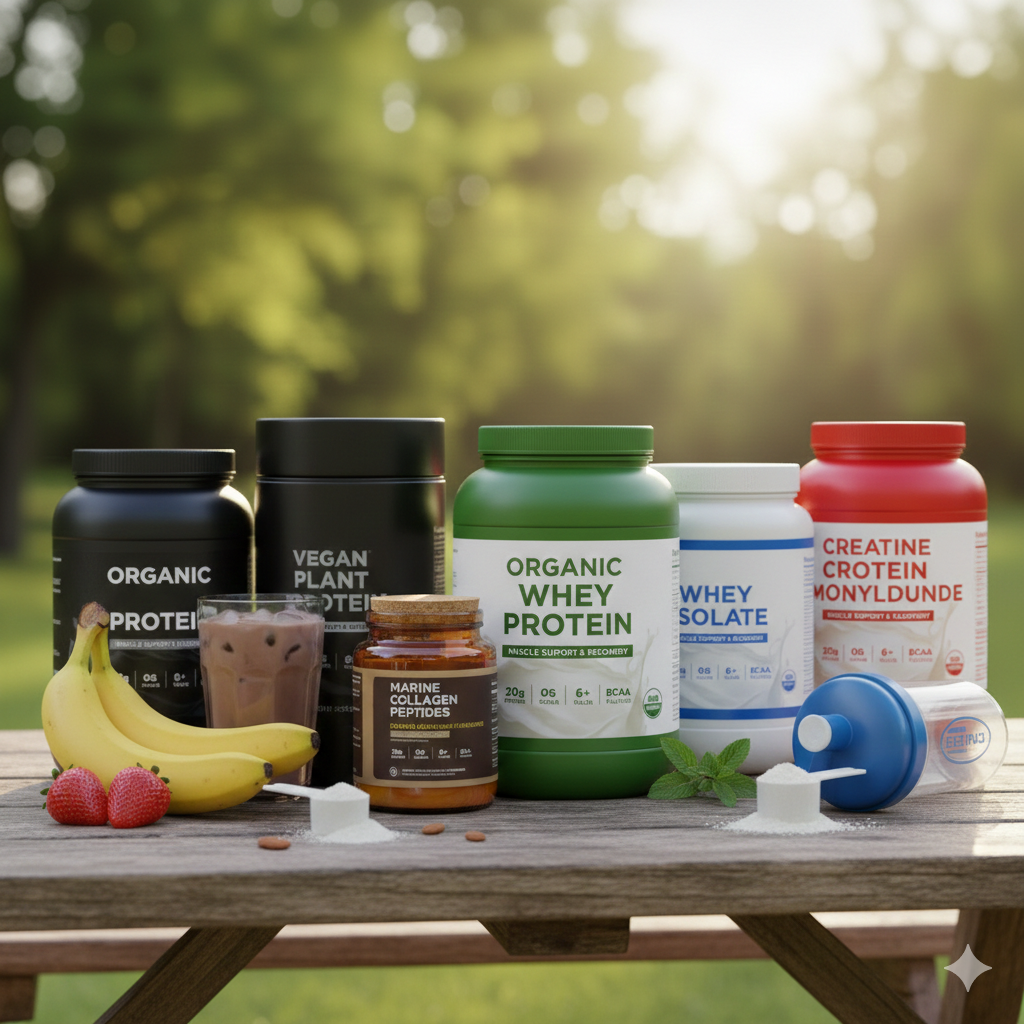
Selecting the right protein powder isn’t just about picking the prettiest package or the cheapest option. There are several CRITICAL factors you should evaluate to ensure you’re getting a product that will actually help you reach your goals. Understanding these factors will save you money & frustration in the long run.
First, consider the protein content per serving. This might seem obvious, but many products contain surprisingly little actual protein relative to their serving size. Look for powders that provide at least 20-25 grams of protein per scoop. Also pay attention to the INGREDIENT list – the fewer ingredients, the better. Avoid products loaded with artificial fillers, excessive sugars, or ingredients you can’t pronounce. The protein source should be one of the first ingredients listed.
Your personal dietary restrictions & preferences play a huge ROLE in your decision. If you’re lactose intolerant, whey concentrate might cause digestive issues, making whey isolate or plant-based options better choices. For those following ketogenic diets, look for powders with minimal carbohydrates. If you’re trying to lose weight, avoid powders with added sugars or unnecessary calories that could sabotage your EFFORTS.
Third-party testing & certifications add an extra layer of confidence to your purchase. Look for products that have been tested by independent organizations like NSF International or Informed Sport. These certifications ensure the product contains what the label claims & is free from harmful contaminants or banned substances. This is especially important if you’re a competitive athlete subject to drug testing.
Taste & mixability might seem less important than nutritional content, but they’re CRUCIAL for long-term success. The best protein powder in the world won’t help you if it tastes terrible & you stop using it after a week. Read reviews specifically mentioning taste & texture. Some powders mix smoothly with just a spoon, while others require a blender to avoid clumps.
Top-Tier Whey Protein Recommendations
After extensive research & considering feedback from thousands of users, several whey protein powders consistently rise to the top. These products excel in protein quality, taste, mixability, & overall VALUE, making them excellent choices for most people.
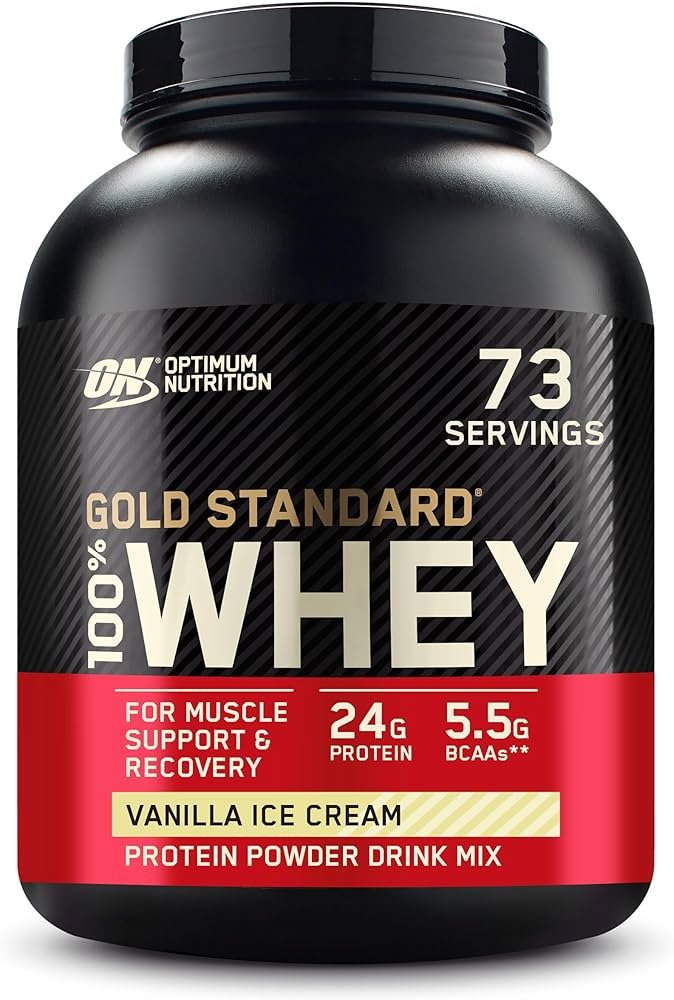
Optimum Nutrition Gold Standard 100% Whey has maintained its reputation as the gold STANDARD (pun intended) for good reason. Each serving provides 24 grams of high-quality whey protein isolate & concentrate blend, with only 1 gram of sugar & 1 gram of fat. What sets this product apart is its incredible variety of flavors – over 20 options ranging from classic chocolate & vanilla to unique choices like birthday cake & cookies & cream. The powder mixes easily with just a shaker bottle & has a smooth, creamy texture that doesn’t feel chalky. Users consistently praise its taste & the fact that it doesn’t cause digestive issues for most people, even those with mild lactose SENSITIVITY.
Dymatize ISO100 represents the premium end of whey protein isolates. This product undergoes additional processing to remove virtually all lactose, fat, & carbohydrates, resulting in 25 grams of pure whey protein isolate per serving. It’s particularly popular among serious athletes & bodybuilders who want maximum protein with minimal extras. The hydrolyzed whey isolate digests incredibly quickly, making it ideal for immediate post-workout consumption. While it’s more expensive than blended options, users report that the investment pays off in terms of RESULTS & digestive comfort.
MuscleTech Nitro-Tech offers excellent value for those seeking a protein powder with additional performance ingredients. Beyond its 30 grams of whey protein blend, it includes creatine monohydrate & amino acids specifically chosen to enhance muscle building & recovery. This makes it a convenient two-in-one option for people who would otherwise purchase separate supplements. The flavors are well-regarded, & the company has a strong reputation for QUALITY control & third-party testing.
Best Plant-Based & Alternative Protein Options
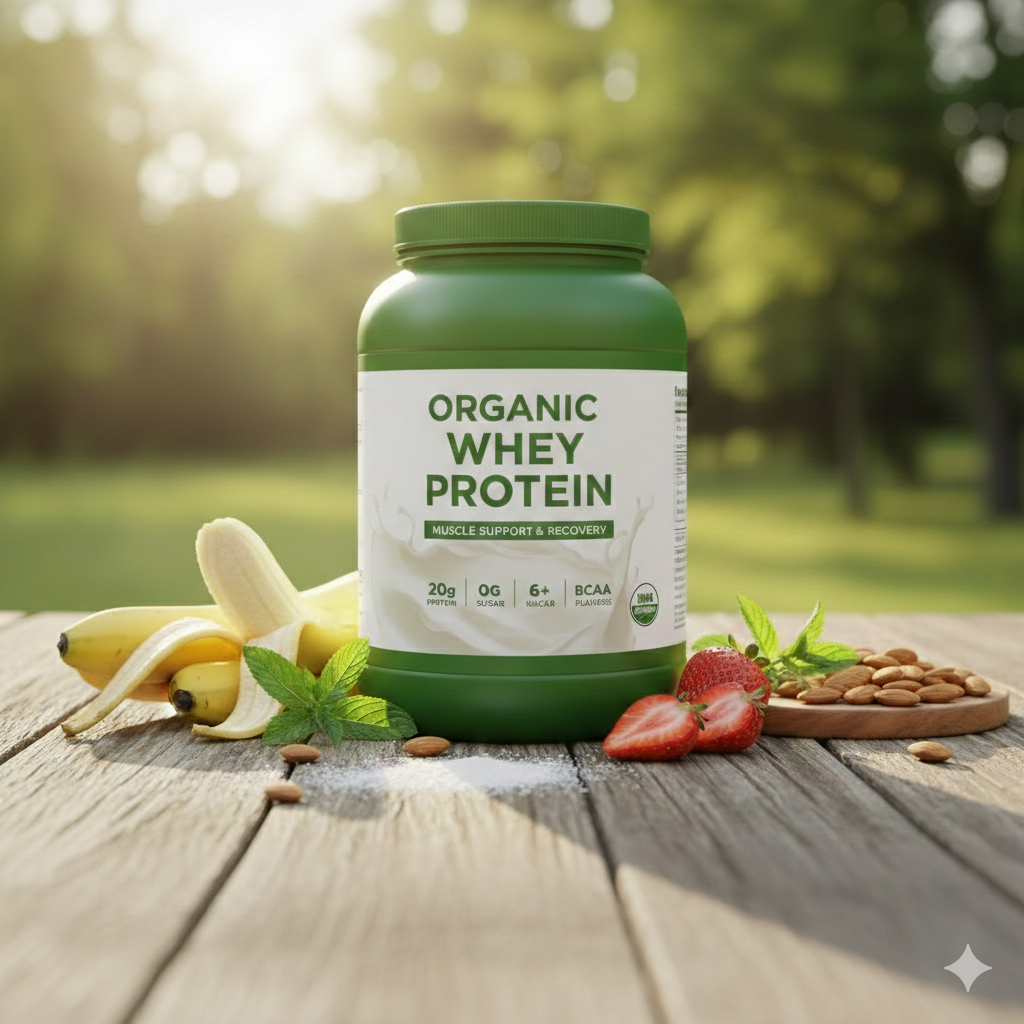
The plant-based protein market has evolved tremendously, with modern formulations rivaling traditional whey proteins in taste, texture, & nutritional completeness. These options cater not only to vegans & vegetarians but also to anyone looking to diversify their protein sources or reduce their environmental IMPACT.
Garden of Life Raw Organic Protein stands out for its commitment to whole food ingredients & minimal processing. This powder combines organic pea protein, organic sprouted brown rice protein, & over a dozen other plant-based ingredients to create a complete amino acid profile. What makes it special is the inclusion of probiotics & enzymes to support DIGESTION, addressing one of the common concerns with plant-based proteins. The vanilla & chocolate flavors have a natural, earthy taste that some love & others find takes getting used to. It’s certified organic, non-GMO, & free from artificial flavors & sweeteners.
Vega Sport Premium Protein appeals to active individuals who want performance-focused nutrition from plants. Each serving provides 30 grams of plant-based protein from pea, pumpkin seed, organic sunflower seed, & alfalfa protein. The formula includes 2.5 grams of BCAAs & 1 gram of glutamine to support RECOVERY. Additionally, it contains 6 billion CFU probiotics & digestive enzymes. The taste is surprisingly smooth for a plant-based option, & it mixes well without the grittiness that plagued earlier plant proteins.
Orgain Organic Plant Based Protein Powder offers an affordable entry point into plant-based supplementation without sacrificing QUALITY. Made from organic pea, brown rice, & chia seeds, it provides 21 grams of protein per serving. The company focuses on clean ingredients, with no artificial preservatives, colors, or flavors. It’s particularly popular with families because of its mild taste & the availability in convenient single-serve packets. The chocolate peanut butter flavor has developed a cult following among users who blend it into smoothies & baked goods.
Making Your Final Decision & Getting Started
Choosing your ideal protein powder doesn’t have to be overwhelming once you understand your personal needs & priorities. The key is to start with your goals, consider your dietary restrictions, & then narrow down your options based on the factors we’ve discussed throughout this GUIDE.
Begin by honestly assessing your current protein intake from whole food sources. Most people need 0.8 to 1.2 grams of protein per kilogram of body weight daily, with active individuals requiring even more. If you’re consistently falling short of these targets, protein powder can be an excellent supplement. However, remember that powder should complement, not replace, a diet rich in whole food protein sources like lean meats, fish, eggs, & legumes.
Consider starting with sample sizes or smaller containers when trying a NEW brand or flavor. Most reputable companies offer sample packs or travel-sized portions that let you test taste & digestibility before committing to a large container. This approach saves money & prevents the disappointment of being stuck with a product you don’t enjoy. Many fitness retailers also have generous return policies if you’re genuinely unsatisfied with a product.
Don’t forget to think about timing & convenience. If you’re primarily using protein powder post-workout, fast-digesting whey isolate might be ideal. If you’re using it as a meal replacement or snack, a blend with some carbohydrates & healthy fats might keep you satisfied longer. Consider your lifestyle – do you need something that travels well, or will you primarily use it at HOME?
The journey to finding your perfect protein powder might involve some trial & error, but that’s completely normal. What works amazingly for your gym buddy might not be the best fit for your body & preferences. Pay attention to how different products make you feel, both immediately after consumption & over time. The right protein powder should support your goals without causing digestive discomfort or breaking your budget. Start with one of the highly-rated options we’ve discussed, give it a fair trial of at least two weeks, & adjust from there. Remember, the best protein powder is the one you’ll actually use consistently as part of a balanced approach to NUTRITION & fitness.