
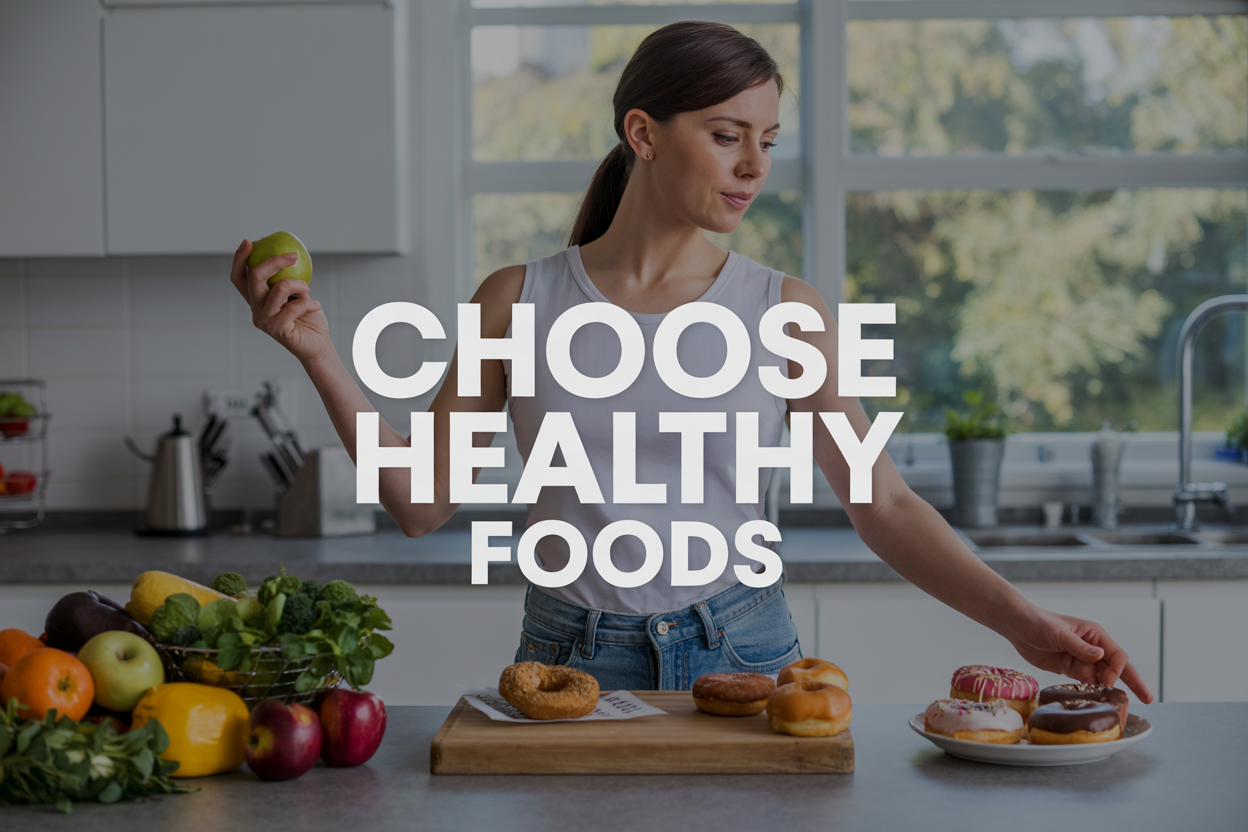
Making better food choices doesn’t have to feel overwhelming or restrictive. This guide is for anyone who wants to avoid unhealthy foods while still enjoying meals and maintaining a realistic lifestyle.
Many people struggle with knowing which foods to avoid, making smart decisions at the grocery store, and sticking to healthier choices when cravings hit or social situations arise. The good news? You can learn practical strategies that actually work in real life.
We’ll cover how to identify the most problematic food categories that sabotage your health goals, master grocery shopping techniques that set you up for success, and build sustainable eating habits that stick long-term. You’ll also discover how to handle challenging situations like dining out and dealing with emotional eating triggers without feeling deprived.
Identify Common Unhealthy Food Categories
Recognize processed and packaged foods
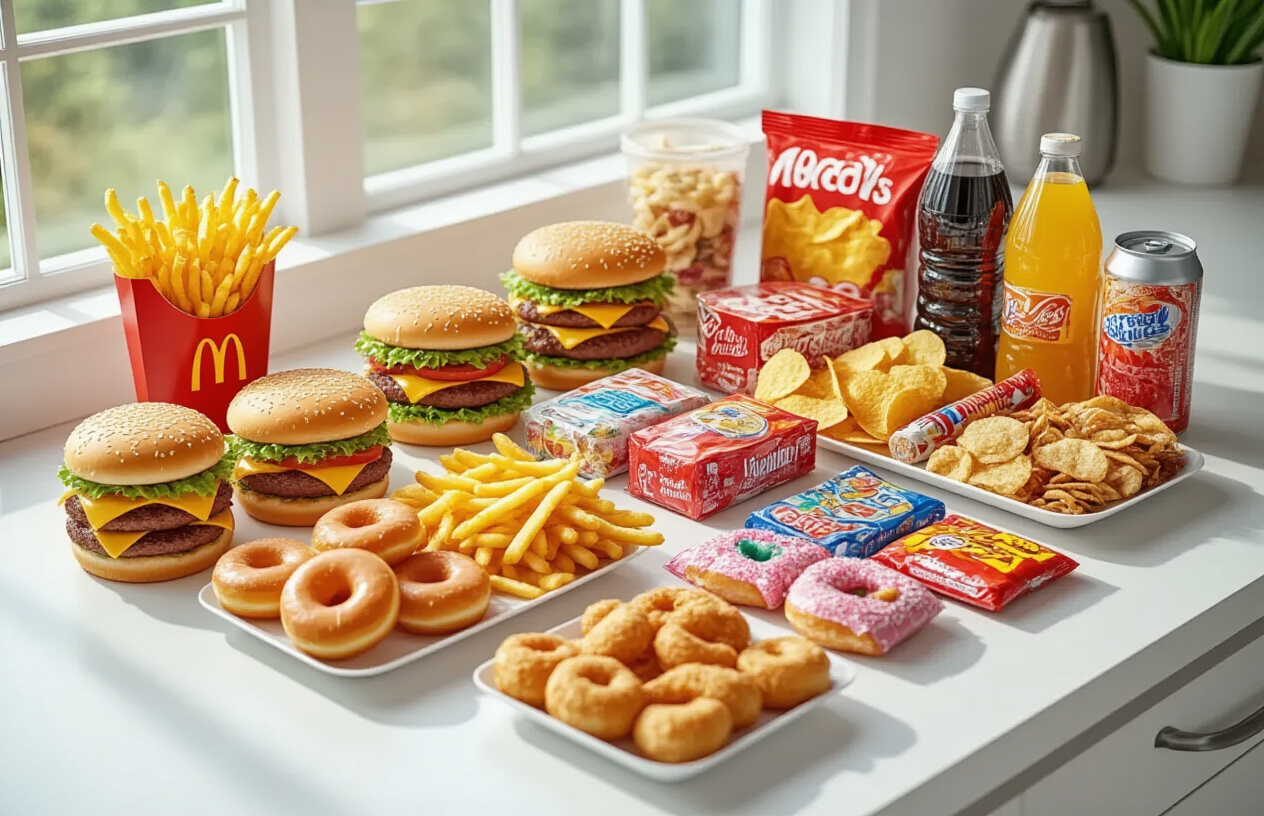
Most processed foods lurk in the middle aisles of grocery stores, wrapped in colorful packaging designed to catch your eye. These items typically contain long ingredient lists filled with words you can’t pronounce. Think frozen dinners, instant noodles, chips, crackers, and pre-made sauces. The more processing a food undergoes, the further it moves away from its natural state and nutritional value.
Check the ingredient list on any packaged item. If it reads like a chemistry experiment, put it back on the shelf. Real food doesn’t need a novel-length ingredient list. Fresh apples don’t come with ingredient lists because they’re just apples. The same principle applies to other whole foods like vegetables, nuts, and lean meats.
Processing often strips away fiber, vitamins, and minerals while adding sodium, sugar, and unhealthy fats. Even seemingly healthy options like granola bars or veggie chips can be heavily processed and loaded with hidden sugars and preservatives.
Spot high-sugar beverages and snacks
Sugar hides in plain sight throughout the grocery store, disguised under dozens of different names. Soft drinks are obvious culprits, but fruit juices, sports drinks, and flavored coffees pack just as much sugar per serving. A single 12-ounce soda contains about 39 grams of sugar – that’s nearly 10 teaspoons.
Watch for sugar’s sneaky aliases on labels: high fructose corn syrup, dextrose, maltose, sucrose, agave nectar, brown rice syrup, and evaporated cane juice. These all spike your blood sugar the same way regular sugar does.
Breakfast cereals, yogurts, and snack bars often contain shocking amounts of added sugar. Some flavored yogurts pack more sugar per serving than ice cream. Energy bars and protein bars frequently masquerade as health foods while delivering candy bar levels of sweetness.
| Common High-Sugar Items | Sugar Content (grams) |
|---|---|
| Regular soda (12 oz) | 35-40 |
| Flavored yogurt (6 oz) | 15-25 |
| Energy drink (8 oz) | 25-35 |
| Granola bar | 8-15 |
| Fruit juice (8 oz) | 20-30 |
Avoid trans fats and excessive saturated fats
Trans fats are artificial fats created through hydrogenation, making liquid oils solid at room temperature. These fats wreak havoc on your cardiovascular system by raising bad cholesterol and lowering good cholesterol. Look for “partially hydrogenated oils” on ingredient lists – that’s your red flag for trans fats.
Common sources include:
- Fried fast foods
- Commercial baked goods (cookies, cakes, pastries)
- Margarine and vegetable shortening
- Microwave popcorn
- Non-dairy coffee creamers
Saturated fats aren’t inherently evil, but eating too much can raise cholesterol levels. They’re found naturally in animal products like red meat, butter, and full-fat dairy. The key is moderation – limit saturated fat to less than 10% of your daily calories.
Be especially careful with processed meats like bacon, sausage, and deli meats, which often combine high saturated fat content with excessive sodium and preservatives.
Identify foods with artificial additives and preservatives
Food manufacturers add chemical preservatives to extend shelf life, but your body doesn’t always know how to process these synthetic compounds. Common preservatives to avoid include BHA, BHT, sodium nitrates, and sodium benzoate.
Artificial colors show up in unexpected places beyond candy and soft drinks. Many cereals, baked goods, and even pickles contain synthetic dyes linked to hyperactivity in children and potential health risks in adults.
Flavor enhancers like monosodium glutamate (MSG) can trigger headaches and other symptoms in sensitive individuals. MSG hides under names like hydrolyzed vegetable protein, autolyzed yeast extract, and natural flavoring.
The simplest approach is choosing foods with short, recognizable ingredient lists. If your grandmother wouldn’t recognize an ingredient, your body probably won’t either. Fresh, whole foods naturally contain the nutrients and flavors your body needs without the chemical cocktail of additives found in processed alternatives.
Master Smart Grocery Shopping Strategies

Create a nutritious meal plan before shopping
Planning your meals before heading to the grocery store gives you a clear roadmap and helps you stick to healthy choices. Take 15-20 minutes each week to map out your breakfast, lunch, dinner, and snack options. This simple step prevents impulse purchases and ensures you buy ingredients that work together to create balanced meals.
Start by checking what you already have in your pantry, fridge, and freezer. Build your meal plan around these items first to reduce waste and save money. Focus on recipes that incorporate plenty of vegetables, lean proteins, whole grains, and healthy fats. Write down every ingredient you’ll need for each planned meal, including herbs, spices, and condiments.
Your shopping list becomes your shield against marketing tactics and tempting displays. When you know exactly what you need, you’re less likely to grab processed snacks or sugary treats that weren’t part of your original plan.
Shop the perimeter of the store first
The outer edges of most grocery stores house the freshest, least processed foods. This area typically contains the produce section, meat and seafood counters, dairy products, and fresh bakery items. By starting your shopping journey here, you fill your cart with nutrient-dense whole foods before venturing into the processed food aisles.
Spend the majority of your shopping time in the produce section. Load up on colorful fruits and vegetables that provide essential vitamins, minerals, and fiber. Choose a variety of colors to ensure you’re getting different nutrients – dark leafy greens, bright orange carrots, red bell peppers, and purple eggplant all offer unique health benefits.
The meat and seafood section offers high-quality proteins without added preservatives or excessive sodium found in many packaged alternatives. Select lean cuts of meat, fresh fish, and organic poultry when possible. The dairy section provides calcium-rich options like plain Greek yogurt, milk, and natural cheeses without artificial additives.
Read nutrition labels effectively
Understanding nutrition labels empowers you to make informed food choices and avoid hidden sugars, excessive sodium, and unhealthy fats. Start by checking the serving size at the top of the label – many packages contain multiple servings, which means you need to multiply the listed nutrients by the number of servings you actually eat.
Pay close attention to these key areas:
- Total sugars and added sugars: Choose products with minimal added sugars (ideally less than 5 grams per serving)
- Sodium content: Aim for less than 600mg per meal or 140mg per serving for individual items
- Saturated and trans fats: Keep saturated fats low and avoid trans fats completely
- Fiber content: Look for foods with at least 3 grams of fiber per serving
The % Daily Value helps you quickly assess whether a food is high or low in specific nutrients. As a general rule, 5% or less is considered low, while 20% or more is considered high.
Use the ingredient list to make better choices
The ingredient list reveals the true nature of packaged foods, listed in order from highest to lowest quantity. This information often tells a different story than the marketing claims on the front of the package. Foods with shorter ingredient lists and recognizable components are typically healthier choices.
Red flags to watch for include:
- Multiple forms of sugar: High fructose corn syrup, cane juice, dextrose, and maltose are all different names for added sugars
- Artificial preservatives: BHA, BHT, and sodium benzoate extend shelf life but offer no nutritional value
- Hydrogenated oils: These create harmful trans fats that increase heart disease risk
- Artificial colors and flavors: Unnecessary additives that may cause sensitivities in some people
Choose products where you can pronounce and recognize most ingredients. If the list reads like a chemistry experiment rather than food, consider finding a simpler alternative.
Avoid shopping when hungry
Shopping on an empty stomach sets you up for poor food choices and impulse purchases. When you’re hungry, your brain craves quick energy sources like sugary snacks and processed foods. This biological response overrides your logical decision-making and makes that bag of cookies seem irresistible.
Eat a balanced meal or healthy snack before grocery shopping. A combination of protein and fiber works best to keep you satisfied – try an apple with almond butter, Greek yogurt with berries, or a handful of nuts. This simple strategy helps you stick to your shopping list and avoid filling your cart with items you’ll regret later.
If you find yourself at the store unexpectedly hungry, grab a piece of fruit from the produce section to eat while shopping (and pay for it at checkout). This quick fix prevents hunger-driven decisions that can derail your healthy eating goals.
Build Healthy Eating Habits at Home

Prepare meals from whole, unprocessed ingredients
Cooking from scratch gives you complete control over what goes into your food. Start by focusing on single-ingredient items like fresh vegetables, lean proteins, whole grains, and fruits. These foods don’t come with lengthy ingredient lists or hidden additives that can sabotage your health goals.
Build your meals around a simple formula: half your plate should be vegetables, one-quarter lean protein, and one-quarter whole grains or starchy vegetables. This approach naturally crowds out processed foods while ensuring you get essential nutrients. Keep basic cooking methods simple – roasting, grilling, steaming, and sautéing with minimal added fats work best.
Meal prep becomes your secret weapon here. Dedicate a few hours on weekends to wash and chop vegetables, cook grains in bulk, and prepare proteins. Having these components ready makes throwing together healthy meals during busy weekdays almost effortless.
Control portion sizes using proper serving guidelines
Your hand makes an excellent portion guide that travels everywhere with you. A palm-sized portion equals about 3-4 ounces of protein, your cupped hand holds roughly one serving of carbs, your thumb represents healthy fats, and your fist equals one serving of vegetables.
Smaller plates and bowls trick your brain into feeling satisfied with less food. Research shows people eat about 22% less when using 10-inch plates instead of 12-inch ones. The visual cue of a full smaller plate signals satisfaction better than a half-empty large plate.
Slow down while eating. It takes about 20 minutes for your brain to register fullness signals from your stomach. Put your fork down between bites, chew thoroughly, and engage in conversation if eating with others. This simple practice often prevents overeating without any conscious restriction.
Keep unhealthy snacks out of your house
Out of sight, out of mind really works when it comes to junk food. If you have to drive to the store to satisfy a craving, you’ll often find the urge passes before you make that effort. Remove tempting processed snacks, sugary drinks, and convenience foods from your pantry, refrigerator, and countertops.
This doesn’t mean living in deprivation. Instead, replace those items with healthier options that still satisfy your taste preferences. Love crunchy snacks? Stock up on raw nuts, seeds, or cut vegetables. Crave something sweet? Keep fresh fruit, dates, or homemade energy balls on hand.
Create physical barriers for any unhealthy foods you do keep around for family members or special occasions. Store them in opaque containers on high shelves or in areas you don’t frequent regularly. Make the healthy choice the easy choice.
Stock your kitchen with nutritious alternatives
Transform your kitchen into a health-supporting environment by keeping nutrient-dense foods visible and accessible. Store washed, cut vegetables at eye level in clear containers in your refrigerator. Keep a bowl of fresh fruit on your counter where you’ll see it throughout the day.
Your pantry should include versatile staples like canned beans, whole grains, nuts, seeds, and quality olive oil. These ingredients form the foundation for countless healthy meals and snacks. Frozen vegetables and fruits provide convenience without sacrificing nutrition, especially when fresh options aren’t available.
Invest in a few key kitchen tools that make healthy cooking easier: a sharp knife, cutting board, steamer basket, and food storage containers. Having the right equipment removes barriers to preparing nutritious meals at home. Keep healthy snacks portioned out in grab-and-go containers for busy days when you need something quick.
Navigate Eating Out and Social Situations

Research restaurant menus and nutrition information beforehand
Most restaurants publish their menus and nutritional information online, giving you a powerful advantage before you even step foot inside. Spend a few minutes checking out the menu on the restaurant’s website or app while you’re still at home. Many chain restaurants provide detailed calorie counts, ingredient lists, and allergen information that can help you spot the healthier options.
Look for keywords that signal healthier preparation methods like “grilled,” “baked,” “roasted,” or “steamed.” Red flags include terms like “crispy,” “breaded,” “creamy,” “loaded,” or “smothered.” Apps like MyFitnessPal and restaurant-specific apps often include nutritional breakdowns that reveal hidden calories and sodium levels in seemingly innocent dishes.
Create a mental shortlist of two or three healthy options before you arrive. This strategy prevents you from making impulsive decisions when you’re hungry and faced with an overwhelming menu. You’ll also feel more confident asking your server questions about preparation methods or ingredient substitutions.
Choose grilled, baked, or steamed options over fried foods
The cooking method can completely transform a dish’s nutritional profile. A grilled chicken breast contains roughly 185 calories and minimal added fats, while the same piece of chicken, when fried, can pack over 400 calories plus trans fats and excessive sodium.
Grilled proteins retain their natural flavors while allowing excess fats to drain away. Baked dishes often use minimal oils and preserve nutrients that might be lost in other cooking methods. Steamed vegetables maintain their fiber content and vibrant colors, plus they’re typically seasoned simply with herbs and spices rather than heavy sauces.
When scanning the menu, prioritize these cooking methods:
- Grilled: Fish, chicken, vegetables, even fruits like pineapple
- Baked: Salmon, sweet potatoes, chicken breast
- Steamed: Broccoli, asparagus, dumplings (when available)
- Roasted: Mixed vegetables, lean meats, root vegetables
- Poached: Eggs, fish, pears
Avoid or limit fried, battered, or breaded items. Even “lightly fried” foods absorb significant amounts of oil during cooking.
Request modifications to make meals healthier
Don’t hesitate to customize your order – most restaurants are happy to accommodate reasonable requests. Servers deal with dietary modifications daily, so asking for changes won’t make you stand out as difficult.
Start with simple swaps that dramatically improve your meal’s nutritional value. Ask for dressing or sauce on the side, which lets you control portions. Request steamed vegetables instead of fries, or substitute a side salad for mashed potatoes. Many restaurants will grill your protein without added butter or oil if you ask.
Here are modification strategies that work at most restaurants:
| Instead of… | Ask for… |
|---|---|
| Fried chicken | Grilled or baked chicken |
| Creamy pasta sauce | Marinara or olive oil-based sauce |
| White rice | Brown rice or quinoa |
| French fries | Sweet potato fries, side salad, or steamed vegetables |
| Full-fat cheese | Light cheese or cheese on the side |
| Croutons | Extra vegetables or nuts |
Practice polite phrasing: “Could I get the salmon grilled instead of fried?” or “Would it be possible to have the dressing on the side?” Most kitchens can easily accommodate these requests, and you’ll end up with a meal that tastes great while supporting your health goals.
Overcome Cravings and Emotional Eating Triggers

Distinguish between true hunger and emotional eating
Your stomach growls, but did you eat just two hours ago? That’s your first clue. Physical hunger builds gradually and can wait, while emotional hunger hits suddenly and demands immediate satisfaction. Real hunger accepts various foods – an apple sounds appealing when you’re truly hungry. Emotional eating craves specific comfort foods, usually high in sugar, fat, or salt.
Pay attention to where you feel the sensation. Physical hunger creates stomach sensations, while emotional hunger often feels like a craving in your head or mouth. True hunger also stops when you’re satisfied, but emotional eating continues past fullness, leaving you feeling guilty or uncomfortable.
Keep a hunger scale from 1-10 and check in before eating. If you’re above a 6, you’re probably not physically hungry. Ask yourself: “What am I really feeling right now?” Stress, boredom, sadness, or celebration often masquerade as hunger.
Replace unhealthy comfort foods with nutritious alternatives
Smart swaps can satisfy cravings without derailing your health goals. When you want something crunchy, reach for air-popped popcorn, raw vegetables with hummus, or roasted chickpeas instead of chips. For sweet cravings, try Greek yogurt with berries, dark chocolate (70% cacao or higher), or frozen grapes.
Create your own comfort food makeovers. Love mac and cheese? Try cauliflower mac with nutritional yeast. Missing pizza? Make versions with cauliflower crust or portobello mushroom caps. The key is finding alternatives that provide similar textures and flavors while boosting nutrition.
Stock your kitchen strategically. Remove trigger foods that you overeat and replace them with healthier options that require some preparation. Pre-cut vegetables, keep nuts portioned in small containers, and have herbal teas ready for when you need something warm and comforting.
Practice mindful eating techniques
Slow down and create eating rituals that help you stay present. Put your fork down between bites, chew thoroughly, and actually taste your food. Turn off screens, sit at a table, and focus on the meal in front of you. This helps your brain register satisfaction signals that take about 20 minutes to kick in.
Use the “pause and breathe” technique when cravings hit. Take five deep breaths before reaching for food. During this pause, scan your body for tension, notice your emotions, and ask what you really need in that moment.
Try the “one mindful bite” approach. When you do eat something less healthy, take one conscious bite, really savoring the taste, texture, and experience. Often, this satisfies the craving better than mindlessly consuming the entire portion.
Develop non-food coping strategies for stress and emotions
Build a toolkit of go-to activities that address your emotional needs without food. For stress relief, try deep breathing exercises, short walks, or calling a friend. When bored, engage in a hobby, organize a small area of your home, or listen to an engaging podcast.
Create specific strategies for different emotions. Sadness might call for a warm bath or journaling. Anxiety could benefit from gentle movement or meditation apps. Anger might need physical release through exercise or punching a pillow.
Practice the “5-minute rule” – commit to trying a non-food coping strategy for just five minutes before eating emotionally. Often, this brief distraction helps the craving pass or reveals what you actually need. Keep a list of these strategies visible on your phone or fridge for easy access during challenging moments.
Create Long-Term Success Through Sustainable Changes

Make Gradual Substitutions Rather Than Drastic Eliminations
Dramatic dietary overhauls often backfire spectacularly. Your brain rebels against sudden changes, triggering intense cravings and making you feel deprived. Instead, focus on small swaps that barely register as sacrifices.
Start with one simple change per week. Replace white rice with brown rice during Monday dinners. Switch regular pasta for whole grain versions in your favorite dish. Swap sugary drinks with sparkling water flavored with fresh fruit. These micro-changes compound over time, creating lasting transformation without the shock of complete elimination.
The key lies in finding healthier versions of foods you already enjoy. Love chips? Try baked sweet potato chips or air-popped popcorn. Miss ice cream? Frozen banana “nice cream” might satisfy that craving. Can’t give up chocolate? Dark chocolate with 70% cacao offers antioxidants while curbing your sweet tooth.
Your taste buds need time to adjust. What seems bland today might taste perfectly seasoned in three weeks. This gradual approach rewires your palate naturally, making healthier choices feel automatic rather than forced.
Allow Occasional Treats Within a Balanced Approach
Rigid food rules create an unhealthy relationship with eating. When certain foods become completely forbidden, they gain psychological power over you. The “all or nothing” mentality often leads to binge episodes when willpower inevitably weakens.
Build treats into your weekly plan deliberately. Choose high-quality indulgences over mindless snacking. A piece of artisanal dark chocolate beats a handful of processed candy bars. Fresh-baked cookies from your favorite bakery satisfy more than store-bought packages.
Practice the 80/20 rule: eat nutritiously 80% of the time, leaving 20% for flexibility and enjoyment. This approach removes guilt from occasional indulgences while maintaining your overall healthy trajectory.
Plan your treats around special occasions or weekly rewards. Maybe Friday night pizza with friends or Sunday afternoon ice cream becomes something you anticipate rather than impulsively consume. When you know treats are coming, you’re less likely to cave to random cravings throughout the week.
Track Your Progress and Celebrate Small Victories
Measuring success goes beyond stepping on a scale. Track multiple indicators: energy levels, sleep quality, mood stability, and how clothes fit. Keep a simple journal noting what you ate and how you felt afterward. Patterns emerge quickly, showing which foods energize you and which leave you sluggish.
Create visual progress markers that motivate you daily. Use a calendar to mark successful meal prep days with green stickers. Take progress photos focusing on how you feel rather than just appearance. Record non-scale victories like climbing stairs without getting winded or choosing salad over fries without internal struggle.
Set micro-goals that feel achievable. Instead of “lose 50 pounds,” aim for “eat vegetables with every meal this week” or “drink eight glasses of water daily.” These smaller targets build momentum and confidence.
Reward progress with non-food treats. Buy new workout clothes after a month of consistent healthy eating. Treat yourself to a massage after reaching a meal prep milestone. Plan a fun activity with friends to celebrate sticking to your grocery list for several weeks.
Share your victories with supportive friends or family members who understand your journey. External accountability and encouragement reinforce positive changes, making them more likely to stick long-term.
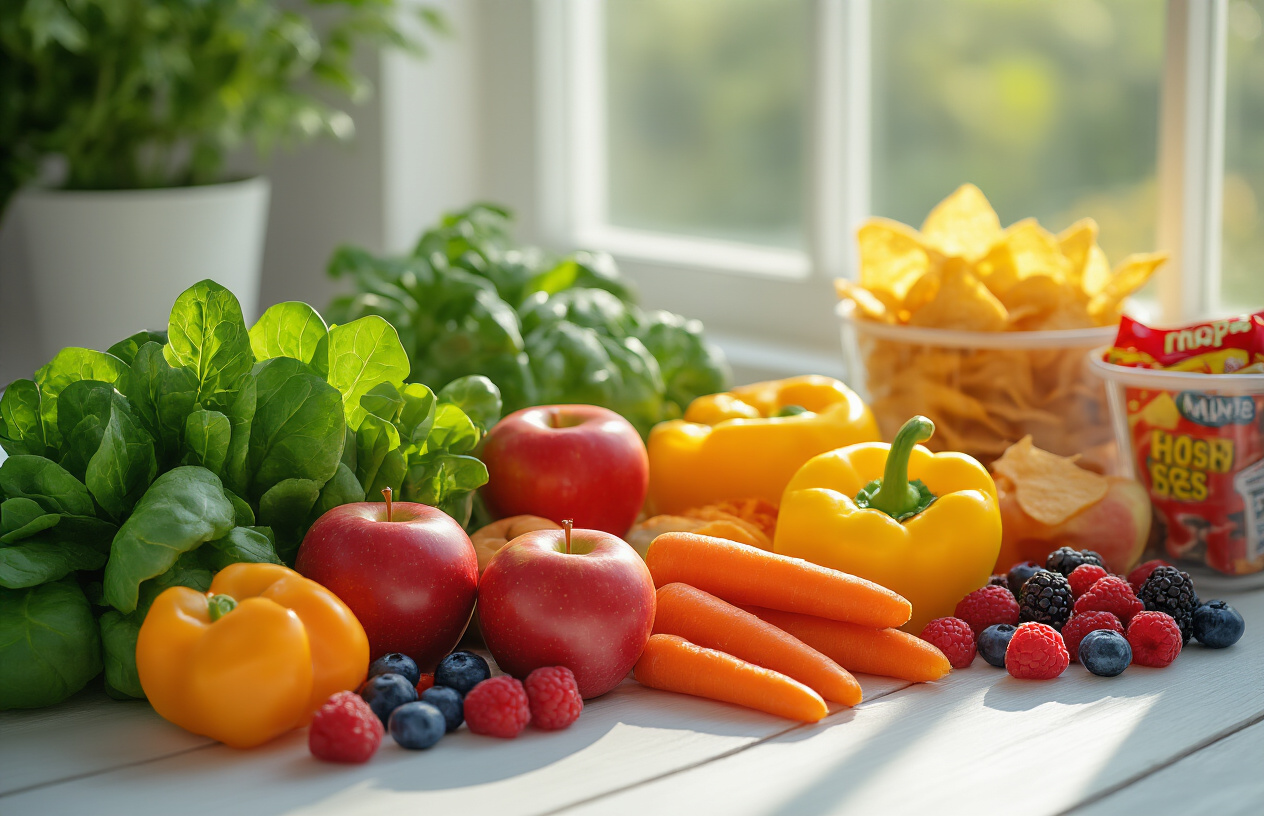
Making healthier food choices doesn’t have to feel like an uphill battle. By learning to spot the worst food offenders, planning your grocery trips strategically, and setting up your home for success, you’re already ahead of the game. The real magic happens when you develop solid strategies for restaurants and social events while finding better ways to handle stress and emotions that don’t involve reaching for junk food.
The secret to lasting change is taking things one step at a time and being patient with yourself along the way. Start with small swaps that feel manageable, build routines that stick, and remember that progress beats perfection every time. Your future self will thank you for every healthy choice you make today, and before you know it, these better habits will become second nature.