
Finding the best whey protein for weight loss can transform your fitness journey and help you reach your goals faster. This guide is designed for anyone looking to shed pounds while maintaining muscle mass—from busy professionals starting their first diet to experienced gym-goers fine-tuning their nutrition strategy.
Whey protein supports weight loss by boosting metabolism, reducing hunger, and preserving lean muscle during calorie restriction. But not all protein powders are created equal when it comes to fat loss.
We’ll break down what makes certain whey proteins more effective for weight loss than others. You’ll discover the essential features to look for in a quality product and learn how to avoid common mistakes that can derail your progress. By the end, you’ll know exactly which whey protein fits your weight loss goals and budget.
Understanding Whey Protein’s Role in Weight Loss
How whey protein boosts metabolism and fat burning
Whey protein acts like a metabolic furnace for your body, cranking up the heat to burn more calories throughout the day. When you consume whey protein, your body works harder to digest, absorb, and process it compared to carbohydrates or fats. This process, called the thermic effect of food, can increase your metabolic rate by 20-30% for several hours after eating.
The amino acid profile in whey protein plays a key role in this metabolic boost. Leucine, one of the most abundant amino acids in whey, signals your body to ramp up protein synthesis and energy expenditure. Your muscles become more active at burning calories even when you’re sitting on the couch watching TV.
Whey protein also helps your body tap into fat stores more effectively. When combined with resistance training, it promotes lean muscle development, which naturally increases your resting metabolic rate. Each pound of muscle tissue burns approximately 6-7 calories per day just to maintain itself, compared to fat tissue which burns only 2-3 calories.
Appetite suppression benefits for calorie control
Whey protein works as a natural appetite suppressant by influencing the hormones that control hunger and satiety. When you drink a whey protein shake, it triggers the release of hormones like GLP-1, CCK, and PYY, which send “I’m full” signals to your brain.
The satiating power of whey protein comes from its complete amino acid profile and rapid absorption rate. Within 30-60 minutes of consumption, these amino acids flood your bloodstream and communicate with your hypothalamus, the brain’s hunger control center. This effect can last 3-4 hours, helping you avoid mindless snacking between meals.
Research shows that people who include whey protein in their diet naturally consume 8-15% fewer calories throughout the day without consciously trying to restrict their intake. The protein helps stabilize blood sugar levels, preventing the energy crashes that typically lead to cravings for high-calorie, processed foods.
Starting your day with whey protein can be particularly powerful for appetite control. Morning protein consumption sets a satiety tone for the entire day, making it easier to make smart food choices when hunger strikes later.
Muscle preservation during caloric deficit
When you’re eating fewer calories than you burn, your body doesn’t just target fat stores – it also breaks down muscle tissue for energy. This muscle loss can sabotage your weight loss efforts by slowing your metabolism and making it harder to maintain your results.
Whey protein acts as a protective shield for your hard-earned muscle mass during weight loss. Its high biological value means your body can efficiently use the amino acids to repair and maintain muscle fibers, even when calories are restricted. The leucine content is especially important here, as it directly activates the mTOR pathway responsible for muscle protein synthesis.
Studies consistently show that people who consume adequate whey protein during weight loss retain 90-95% of their lean muscle mass, while those with inadequate protein intake can lose up to 25% of their weight from muscle tissue. This difference is huge for long-term success.
The muscle-sparing effects of whey protein become even more pronounced when combined with resistance training. This combination creates an environment where your body preferentially burns fat while maintaining the metabolically active tissue that keeps your metabolism humming.
Optimal timing for maximum weight loss results
Timing your whey protein intake strategically can amplify its weight loss benefits. The most effective approach involves spreading your protein consumption throughout the day rather than loading it all into one meal.
Pre-workout timing (30-60 minutes before exercise) provides your muscles with readily available amino acids during training, supporting both performance and recovery. This timing helps prevent muscle breakdown during intense workouts and can enhance fat oxidation.
Post-workout consumption within 30-60 minutes after training maximizes muscle protein synthesis when your muscles are most receptive to nutrients. This window is crucial for maintaining lean mass during weight loss phases.
Between meals whey protein serves as an excellent snack option that bridges the gap between larger meals. A mid-morning or mid-afternoon shake can prevent energy dips and control cravings without adding excessive calories.
Before bed casein protein is traditionally recommended, but whey can still be beneficial if consumed 2-3 hours before sleep. This timing supports overnight recovery and helps maintain stable blood sugar levels through the night.
| Timing | Primary Benefits | Recommended Amount |
|---|---|---|
| Pre-workout | Energy, muscle protection | 15-25g |
| Post-workout | Recovery, muscle synthesis | 20-30g |
| Between meals | Appetite control, steady energy | 15-20g |
| Evening | Recovery support | 15-25g |
The key is consistency rather than perfection. Choose 2-3 timing windows that fit your lifestyle and stick with them daily for the best results.
Key Features to Look for in Weight Loss Whey Protein
Low Calorie and Carbohydrate Content
When you’re trying to shed pounds, every calorie counts. The best whey protein powders for weight loss typically contain between 100-130 calories per serving, with minimal carbohydrates – ideally under 5 grams per scoop. This lean profile means you’re getting pure protein without the extra calories that can derail your progress.
Whey protein isolate stands out here because it undergoes additional processing to remove most fats and carbs, leaving you with 90-95% pure protein. Compare this to whey concentrate, which might have 70-80% protein content with more calories from carbs and fats. While concentrate isn’t necessarily bad, isolate gives you more protein bang for your caloric buck.
Watch out for flavored varieties loaded with added sugars. Some protein powders pack in 15-20 grams of carbs per serving through artificial sweeteners, fillers, and flavor enhancers. These hidden calories add up quickly and can stall weight loss efforts. Look for products sweetened with stevia, monk fruit, or sucralose instead of sugar or maltodextrin.
| Protein Type | Calories per 30g | Carbs per 30g | Protein Content |
|---|---|---|---|
| Whey Isolate | 110-120 | 1-3g | 90-95% |
| Whey Concentrate | 120-140 | 3-8g | 70-80% |
| Casein | 115-130 | 2-5g | 80-85% |
High Protein Concentration Per Serving
Getting maximum protein per serving accelerates weight loss through multiple mechanisms. Aim for products delivering at least 20-25 grams of complete protein per scoop. Higher protein concentrations mean better satiety, increased thermogenesis, and superior muscle preservation during caloric restriction.
Complete proteins contain all nine essential amino acids your body needs, and whey protein delivers these in optimal ratios. This completeness triggers stronger satiety signals compared to incomplete protein sources, helping you feel full longer and naturally reduce overall calorie intake throughout the day.
Protein has the highest thermic effect of all macronutrients, meaning your body burns more calories digesting and processing it. This metabolic boost can increase daily calorie burn by 80-100 calories when consuming adequate protein – essentially free weight loss that compounds over time.
Quality matters as much as quantity. Look for whey proteins with high biological value scores and complete amino acid profiles. Products that list “whey protein isolate” or “hydrolyzed whey protein” as the first ingredient typically offer superior absorption rates and faster muscle protein synthesis.
Added Fat-Burning Ingredients and Supplements
Smart manufacturers enhance their whey proteins with scientifically-backed fat-burning compounds that can accelerate your results. Green tea extract, containing EGCG, can boost metabolism by 4-8% and enhance fat oxidation during exercise. L-carnitine helps transport fatty acids into cells for energy production, potentially increasing fat burning during workouts.
CLA (conjugated linoleic acid) appears in many weight-loss focused protein powders. Research shows CLA may help reduce body fat while preserving lean muscle mass – exactly what you want during a cut. Typical effective doses range from 1-3 grams per serving.
Some formulations include digestive enzymes like bromelain or papain, which improve protein absorption and reduce bloating. Better digestion means your body can actually use the protein you’re consuming, making every gram count toward your goals.
Chromium picolinate and alpha-lipoic acid are other common additions that may help improve insulin sensitivity and glucose metabolism. While these won’t create dramatic overnight changes, they can provide modest benefits when combined with proper diet and exercise.
Be cautious of products loaded with stimulants like caffeine unless you specifically want a pre-workout effect. Excessive stimulants can interfere with sleep quality, which is crucial for weight loss and recovery.
Top Whey Protein Powders for Weight Loss Success
Premium isolate options for maximum purity
Whey protein isolate represents the gold standard for weight loss enthusiasts who demand the highest quality protein with minimal calories. These premium options undergo additional processing to remove virtually all lactose, fat, and carbohydrates, leaving you with 90-95% pure protein content.
Dymatize ISO100 stands out as a top performer, delivering 25 grams of protein with only 110 calories per serving. The hydrolyzed whey isolate formula ensures rapid absorption, making it perfect for post-workout recovery while supporting lean muscle maintenance during calorie restriction.
Optimum Nutrition Platinum Hydrowhey offers another excellent choice with its ultra-fast absorbing formula. Each serving provides 30 grams of protein with just 140 calories, plus added digestive enzymes to prevent bloating that can derail weight loss motivation.
For those watching every penny and calorie, Isopure Zero Carb lives up to its name with zero carbs, zero sugar, and 50 grams of protein per serving. The unflavored version mixes seamlessly into smoothies without adding unwanted calories.
| Product | Protein per serving | Calories | Price per serving |
|---|---|---|---|
| Dymatize ISO100 | 25g | 110 | $1.85 |
| ON Platinum Hydrowhey | 30g | 140 | $2.10 |
| Isopure Zero Carb | 50g | 210 | $2.25 |
Budget-friendly concentrate alternatives
Whey protein concentrate offers excellent value without sacrificing quality for weight loss goals. While containing slightly more carbs and fats than isolates, concentrate options still provide substantial protein content at a fraction of the cost.
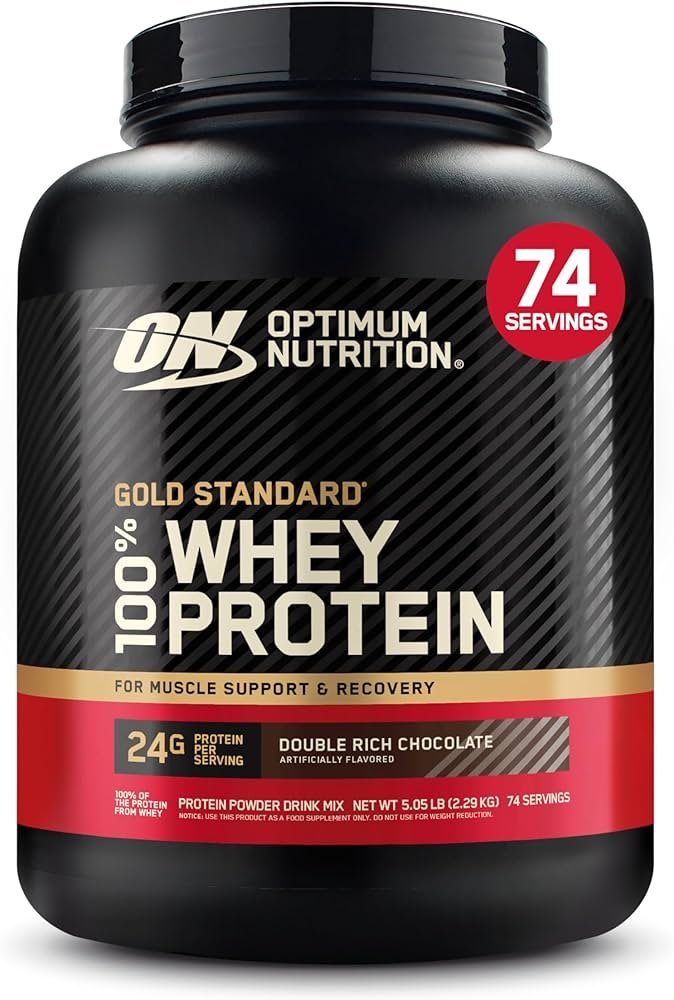
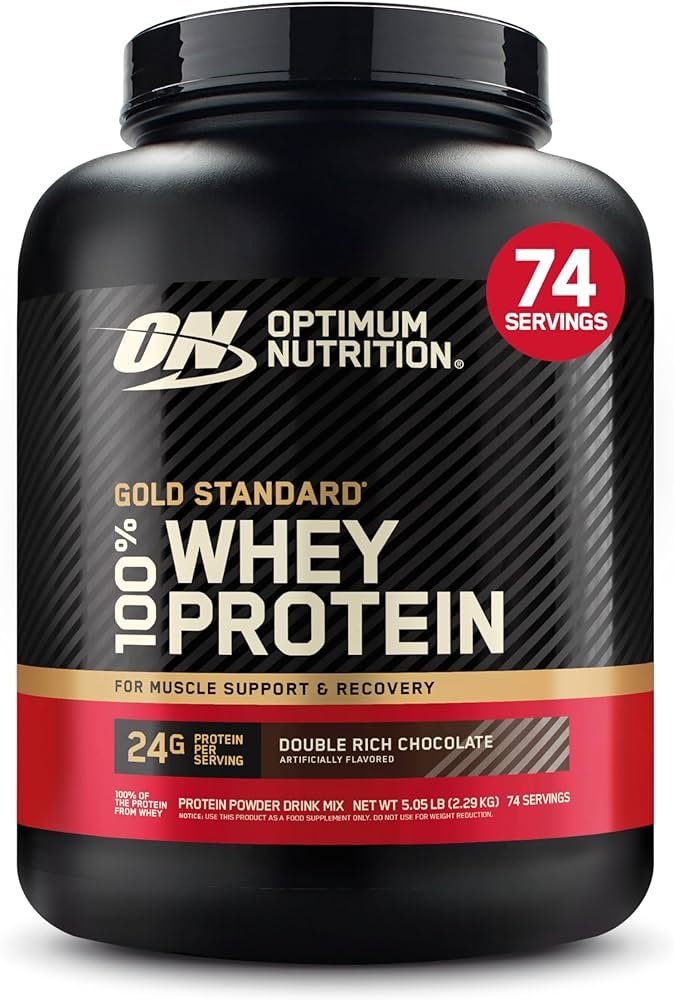
Optimum Nutrition Gold Standard Whey remains the most popular choice among budget-conscious dieters. With 24 grams of protein and 120 calories per serving, it strikes an ideal balance between quality and affordability at roughly $1.20 per serving.
Dymatize Elite Whey provides comparable nutrition with 25 grams of protein per 130-calorie serving. The brand’s reputation for third-party testing ensures you’re getting a clean product that supports your weight loss journey without breaking the bank.
Body Fortress Super Advanced Whey offers the most economical option at under $0.80 per serving. While the protein content sits at 30 grams per serving, the 160-calorie count makes portion control essential for optimal weight loss results.
The key advantage of concentrate proteins lies in their natural retention of beneficial compounds like lactoferrin and immunoglobulins, which may support overall health during weight loss phases.
Specialized weight management formulas
Dedicated weight management protein powders combine high-quality whey with additional ingredients specifically chosen to accelerate fat loss and control appetite. These formulas go beyond basic protein supplementation to address multiple aspects of weight management.
Lean Body by Labrada incorporates a protein blend with added fiber, healthy fats, and a comprehensive vitamin profile. Each serving delivers 40 grams of protein with natural appetite-suppressing properties from the fiber content.
CytoSport Complete features a unique combination of whey protein with green coffee bean extract and L-carnitine. These additions may help boost metabolism and enhance fat oxidation during exercise sessions.
Quest Protein Powder stands out for its incredibly low net carb count (just 1 gram) while providing 23 grams of protein. The addition of digestive enzymes prevents the bloating that often accompanies high-protein diets.
Many specialized formulas include thermogenic ingredients like green tea extract or caffeine, which can provide a modest metabolic boost. However, the primary benefit comes from the high-quality protein that helps preserve lean muscle mass while in a caloric deficit.
Plant-based protein alternatives for dietary restrictions
Plant-based proteins have evolved dramatically, now offering complete amino acid profiles that rival traditional whey for weight loss support. These options serve vegans, those with dairy sensitivities, and anyone seeking dietary variety.
Orgain Organic Plant-Based Protein combines pea, brown rice, and chia proteins to deliver 21 grams of complete protein with only 150 calories per serving. The organic certification ensures no harmful pesticides or chemicals interfere with your weight loss goals.
Vega Sport Performance Protein targets active individuals with 30 grams of plant protein plus added BCAAs for muscle recovery. The formula includes probiotics and digestive enzymes to support gut health during intense training periods.
Garden of Life Raw Organic Protein provides 22 grams of sprouted protein with live probiotics and enzymes. The raw processing preserves heat-sensitive nutrients that may support overall health during weight loss.
Plant proteins often contain more fiber than whey options, which can enhance satiety and support healthy digestion. While they may require slightly larger serving sizes to match whey’s protein density, the added fiber content often results in better appetite control throughout the day.
Ready-to-drink convenient options
Pre-mixed protein drinks eliminate preparation time while providing consistent nutrition for busy lifestyles. These convenient options prevent the common excuse of skipping protein intake due to time constraints.
Premier Protein shakes offer exceptional value with 30 grams of protein and only 160 calories per bottle. Available in multiple flavors, these shelf-stable options require no refrigeration until opened.
Fairlife Core Power provides 26 grams of high-quality milk protein with 170 calories per bottle. The ultra-filtered milk base offers a creamy texture that many find more satisfying than traditional protein shakes.
Quest Ready-to-Drink delivers 30 grams of protein with just 110 calories, making it one of the most calorie-efficient options available. The low sugar content (1 gram) prevents unwanted blood sugar spikes that can trigger cravings.
Muscle Milk Pro Series contains 40 grams of protein per bottle, though at 230 calories it requires careful portion planning. The high protein content makes it suitable for meal replacement during aggressive weight loss phases.
Ready-to-drink options typically cost more per gram of protein than powder alternatives, but the convenience factor often justifies the expense for people with demanding schedules who might otherwise skip their protein intake entirely.
Maximizing Weight Loss Results with Whey Protein

Calculating Your Daily Protein Requirements
Your protein needs depend on several factors, including your current weight, activity level, and weight loss goals. For effective fat loss while preserving muscle mass, aim for 0.8 to 1.2 grams of protein per pound of body weight daily. If you weigh 150 pounds, that’s roughly 120-180 grams of protein per day.
Active individuals who strength train should lean toward the higher end of this range. Your body uses more protein to repair and maintain muscle tissue when you’re regularly exercising, especially during a caloric deficit. Women typically need slightly less protein than men due to differences in muscle mass and metabolism.
Track your protein intake for a few days to understand your baseline consumption. Many people discover they’re eating far less protein than they thought. Whey protein powder makes reaching your daily target much easier, especially when whole food sources feel overwhelming or inconvenient.
Best Times to Consume Whey Protein for Fat Loss
Timing your whey protein intake can amplify your weight loss results. The most effective windows are post-workout, between meals, and before bed.
Post-Workout Window: Consume 20-30 grams of whey protein within 2 hours after your workout. This supports muscle recovery and helps prevent muscle breakdown, which is crucial when you’re in a caloric deficit.
Between Meals: Use whey protein as a snack replacement when hunger strikes between main meals. A protein shake keeps you satisfied longer than typical snacks and prevents overeating at your next meal.
Before Bed: A slow-digesting protein source like casein is traditionally recommended for nighttime, but whey protein can also work. Having protein before sleep supports overnight muscle recovery and may boost your metabolic rate.
Morning Option: If you skip breakfast or eat very light meals, a morning protein shake jump-starts your metabolism and helps control appetite throughout the day.
Combining with Exercise for Accelerated Results
Whey protein works best when paired with a structured exercise routine that includes both strength training and cardiovascular exercise.
Strength Training Benefits: Resistance exercise combined with adequate protein intake preserves lean muscle mass during weight loss. More muscle tissue means a higher resting metabolic rate, helping you burn more calories even when you’re not exercising. Aim for 2-3 full-body strength sessions per week.
Cardio Integration: While strength training builds and maintains muscle, cardiovascular exercise creates the caloric deficit needed for fat loss. Mix steady-state cardio with high-intensity interval training for optimal results.
Recovery Enhancement: Whey protein’s fast absorption makes it perfect for post-exercise recovery. Better recovery means you can train more consistently and at higher intensities, leading to faster weight loss progress.
The combination creates a powerful synergy: exercise creates the demand for protein, while whey protein provides the building blocks your body needs to adapt and recover.
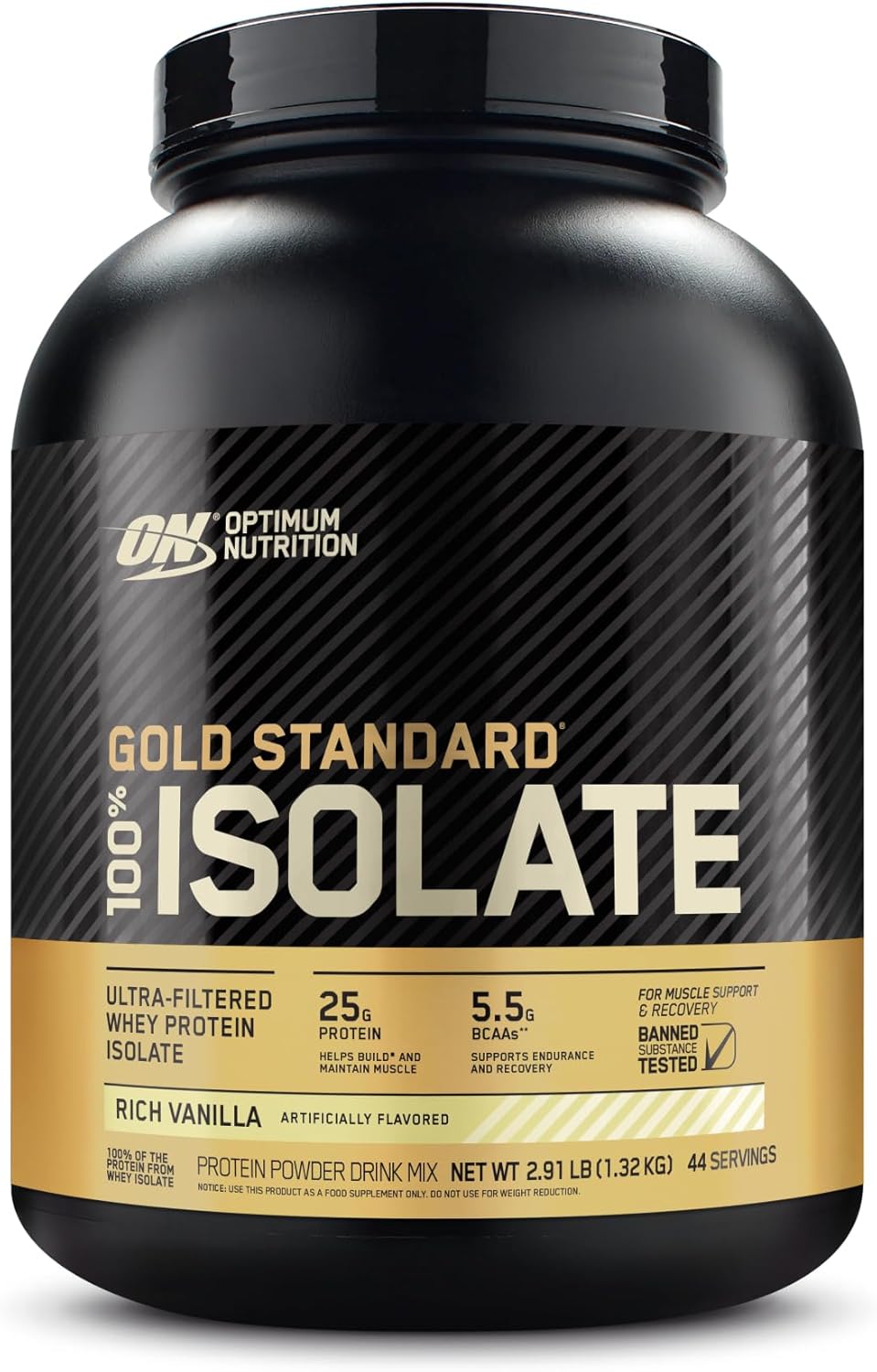
Optimum Nutrition Gold Standard 100% Isolate
Choosing High-Calorie Protein Powders with Hidden Sugars
Many people grab the first protein powder they see without checking the nutrition label. This mistake can completely derail your weight loss efforts. Some protein powders contain 20-30 grams of sugar per serving, adding unnecessary calories that counteract your hard work in the gym.
Read ingredient lists carefully and watch out for sneaky sugar names like maltodextrin, dextrose, or corn syrup solids. These ingredients spike your blood sugar and can trigger cravings later in the day. Mass gainers are particularly problematic since they’re designed to pack on weight, not shed it.
Look for protein powders with less than 5 grams of sugar per serving and minimal artificial ingredients. Your best bet is unflavored or naturally flavored options that won’t sabotage your calorie deficit.
Overconsumption Leading to Excess Calories
Protein powder isn’t a magic weight loss solution. Drinking multiple shakes daily while maintaining your regular eating habits will actually cause weight gain. Each scoop typically contains 120-150 calories, and those add up quickly.
Calculate your daily protein needs based on your body weight and activity level. Most people need about 0.8-1.2 grams per pound of body weight for weight loss. If you’re already hitting this target through whole foods, adding protein powder creates a calorie surplus.
Treat protein powder as a supplement, not a meal replacement for every occasion. One shake per day is usually sufficient for most people trying to lose weight.
Neglecting Whole Food Protein Sources
Relying solely on protein powder means missing out on the metabolic benefits of whole foods. Your body burns more calories digesting chicken breast, fish, or Greek yogurt compared to liquid protein. This thermic effect can boost your metabolism by 20-30% after meals.
Whole food proteins also provide essential nutrients like B vitamins, iron, and zinc that powdered supplements often lack. They’re more filling too, helping you feel satisfied longer and reducing overall calorie intake.
Use protein powder strategically around workouts or as a convenient snack, but don’t let it replace real food meals. Aim for 70% of your protein from whole sources and 30% from supplements for optimal weight loss results.
The right whey protein powder can be your secret weapon for shedding pounds and building lean muscle. By choosing products with high protein content, minimal added sugars, and digestive-friendly ingredients, you’re setting yourself up for weight loss success. Remember that timing matters too – drinking your protein shake post-workout or as a meal replacement can help control hunger and boost your metabolism throughout the day.
Don’t let common mistakes derail your progress. Stick to recommended serving sizes, read those nutrition labels carefully, and combine your protein supplementation with regular exercise and a balanced diet. The best whey protein for weight loss is the one you’ll actually use consistently. Start with one of the top-rated options we’ve covered, stay patient with your results, and watch as your body transforms into the leaner, stronger version you’ve been working toward.