
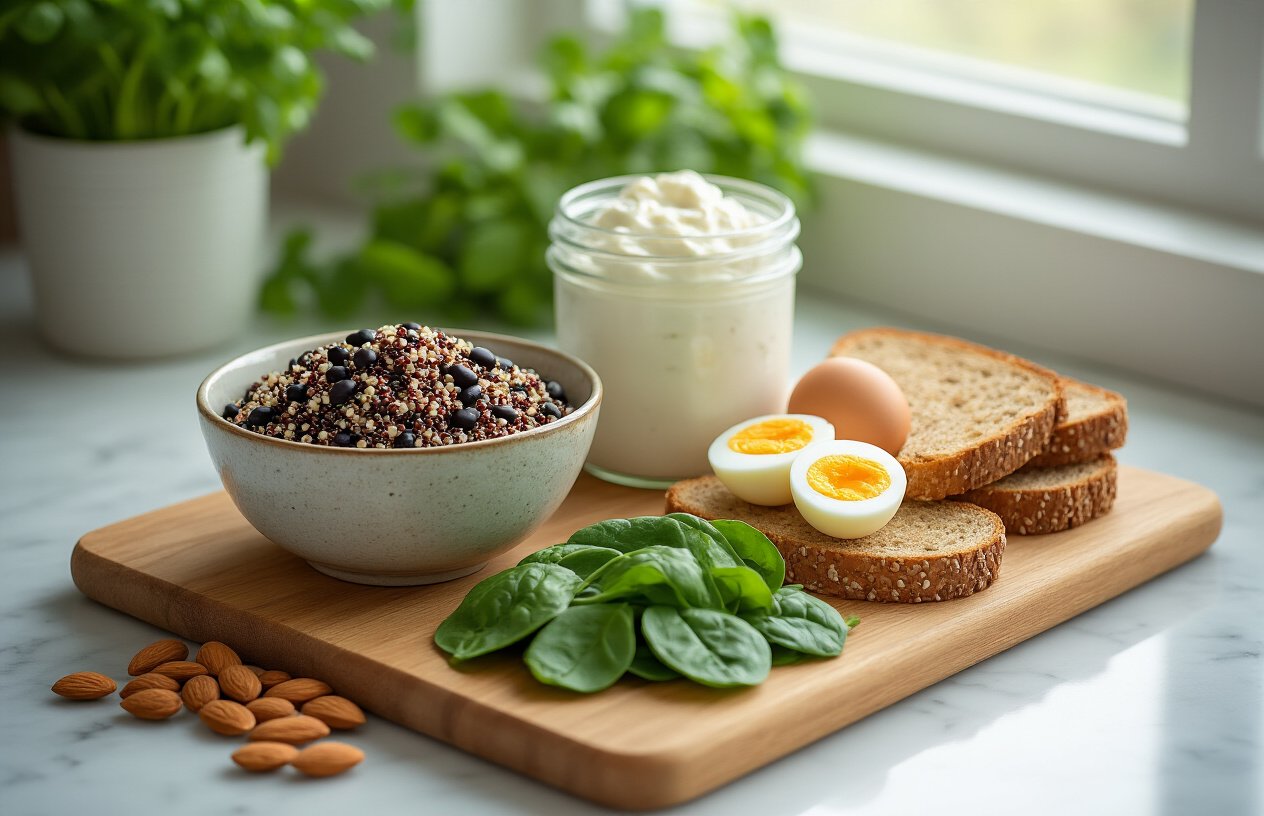
Getting enough protein from natural sources can transform your energy levels, muscle health, and overall well-being. The best proteined natural diets focus on whole foods rather than processed supplements, giving your body exactly what it needs to thrive.
This guide is perfect for health-conscious individuals, fitness enthusiasts, and anyone looking to optimize their nutrition through real food choices. You’ll discover which natural protein sources pack the biggest nutritional punch and how to incorporate them into your daily routine.
We’ll explore the top plant-based proteins that rival traditional animal sources, plus the highest-quality animal proteins from grass-fed and wild-caught sources. You’ll also learn the science behind protein timing and how combining certain foods can boost your body’s ability to absorb and use these vital nutrients.
Essential Plant-Based Protein Sources for Optimal Health
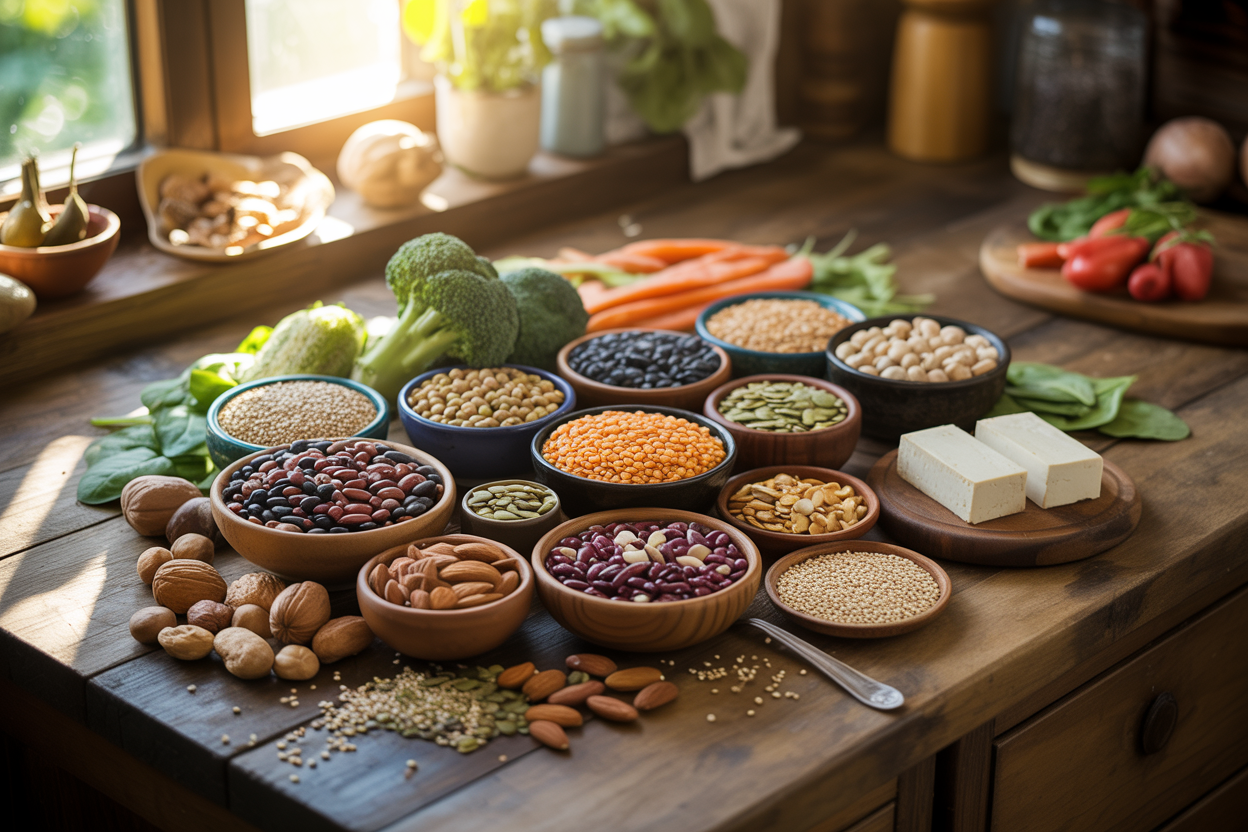
Legumes and beans for complete amino acid profiles
Legumes and beans pack a serious protein punch while delivering all the essential amino acids your body needs to thrive. Black beans contain about 15 grams of protein per cup, while lentils provide 18 grams – that’s comparable to many meat sources. The real magic happens when you combine different legumes throughout your day, creating complete protein profiles that rival any animal product.
Chickpeas stand out as nutritional powerhouses, offering 15 grams of protein per cup along with fiber that keeps you satisfied for hours. Lima beans, kidney beans, and navy beans each bring their own unique amino acid strengths to the table. Red lentils cook quickly and blend seamlessly into soups, curries, and grain bowls, making them perfect for busy lifestyles.
Split peas deserve special mention for their impressive 16 grams of protein per cup. They’re incredibly versatile – blend them into creamy soups, add them to stews, or use them as a base for protein-rich dips.
| Legume Type | Protein per Cup (cooked) | Key Amino Acids |
|---|---|---|
| Lentils | 18g | Lysine, Folate |
| Black Beans | 15g | Lysine, Fiber |
| Chickpeas | 15g | Methionine, Iron |
| Split Peas | 16g | Lysine, Potassium |
Quinoa and ancient grains for sustained energy
Quinoa earns its superfood status by being one of the few plant foods that contains all nine essential amino acids in proper proportions. Each cup delivers 8 grams of complete protein along with complex carbohydrates that provide steady energy without blood sugar spikes.
Ancient grains like amaranth, millet, and teff bring impressive protein content alongside unique nutritional profiles. Amaranth provides 9 grams of protein per cup and contains lysine levels that surpass most grains. Millet offers 6 grams of protein plus magnesium and phosphorus for bone health.
Buckwheat, despite its name, contains no wheat and provides 6 grams of protein per cup with a complete amino acid profile. It’s particularly rich in rutin, a powerful antioxidant that supports cardiovascular health.
These grains work beautifully in breakfast bowls, salads, and side dishes. Their nutty flavors and varied textures make meals more interesting while delivering sustained energy that keeps you productive throughout the day.
Nuts and seeds for healthy fats and protein combination
Seeds and nuts create the perfect marriage of protein and healthy fats, making them ideal for sustained energy and satiety. Hemp seeds contain all essential amino acids and provide 10 grams of protein in just 3 tablespoons. They blend easily into smoothies or sprinkle over yogurt without any noticeable flavor change.
Pumpkin seeds deliver 12 grams of protein per half cup along with zinc, magnesium, and iron. Sunflower seeds provide 6 grams of protein per quarter cup plus vitamin E for antioxidant protection.
Almonds, walnuts, and cashews each contribute around 6 grams of protein per ounce while providing heart-healthy monounsaturated fats. Brazil nuts stand out for their selenium content – just two nuts meet your daily selenium needs while contributing quality protein.
Chia seeds expand when mixed with liquid, creating pudding-like textures while delivering 5 grams of protein per 2 tablespoons. Flax seeds offer similar protein content plus omega-3 fatty acids that support brain health.
Green leafy vegetables for bioavailable protein
Green vegetables pack more protein than most people realize, and their protein comes in highly bioavailable forms that your body can easily use. Spinach provides 5 grams of protein per cup when cooked, while kale delivers 4 grams along with vitamin K and iron.
Brussels sprouts contain 4 grams of protein per cup and cook beautifully when roasted or sautéed. Broccoli offers 4 grams of protein per cup plus vitamin C that helps with iron absorption from other plant foods.
Spirulina, a blue-green algae, contains an astounding 8 grams of protein per 2 tablespoons – that’s more protein density than most meat sources. It mixes well into smoothies and provides B vitamins often lacking in plant-based diets.
Swiss chard and collard greens each provide around 3 grams of protein per cup while delivering folate, vitamin A, and antioxidants. These greens work wonderfully in stir-fries, soups, or simply sautéed with garlic and olive oil.
The protein in leafy greens comes with virtually no saturated fat and plenty of micronutrients that support overall health. Their high water content and fiber help with hydration and digestion while contributing to your daily protein goals.
High-Quality Animal Proteins from Natural Sources
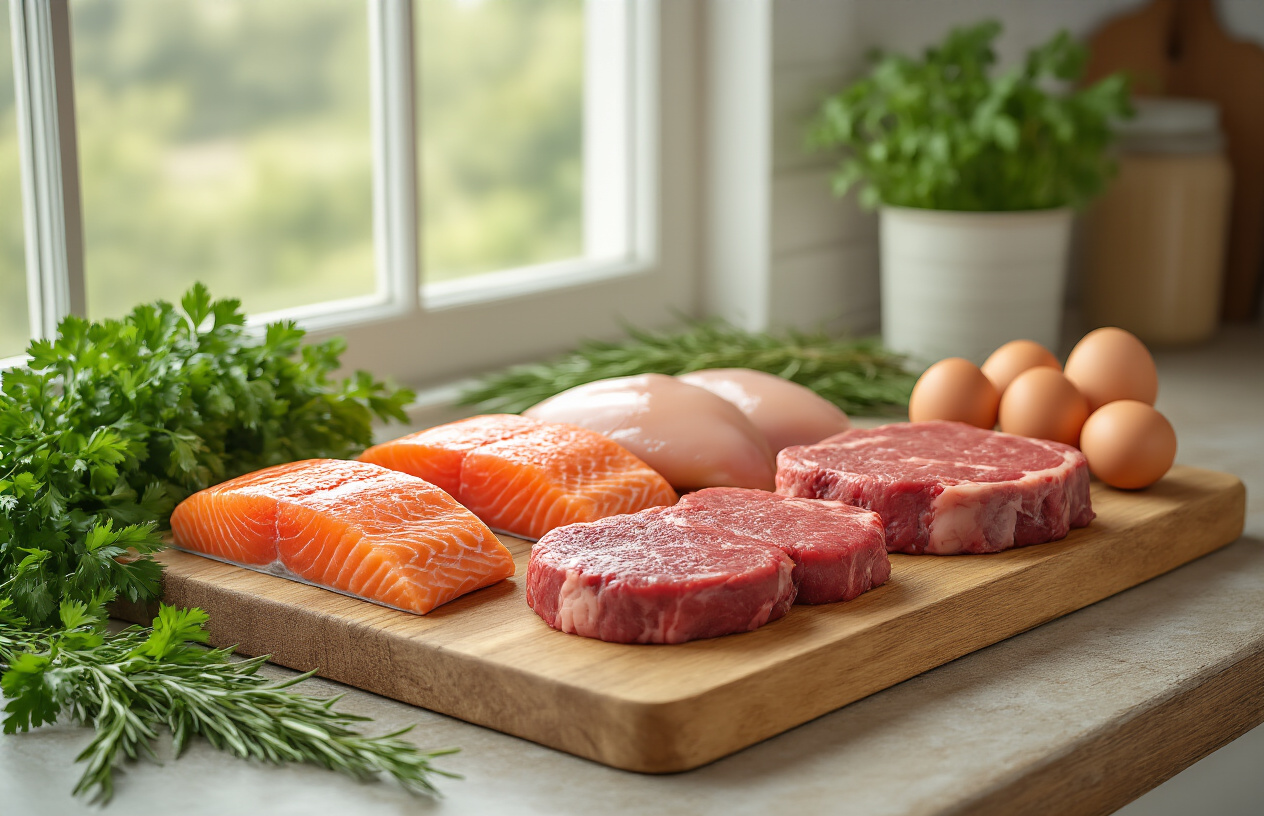
Wild-caught fish for omega-3 fatty acids and lean protein
Wild-caught fish stands out as one of nature’s most complete protein sources, offering an impressive amino acid profile alongside essential omega-3 fatty acids that farmed fish simply can’t match. The key difference lies in their diet and environment – wild fish consume algae, smaller fish, and marine plants, creating a natural concentration of EPA and DHA omega-3s in their tissues.
Salmon, mackerel, sardines, and anchovies pack the highest omega-3 content, with wild Alaskan salmon containing up to 1,800mg per 3.5-ounce serving. These fatty acids support heart health, reduce inflammation, and boost brain function while delivering 20-25 grams of high-quality protein per serving.
The protein from wild-caught fish offers superior bioavailability compared to many other sources. Your body can efficiently utilize nearly all the amino acids, making it particularly valuable for muscle maintenance and recovery. Unlike their farmed counterparts, wild fish contain lower levels of contaminants like PCBs and dioxins while providing higher concentrations of vitamins D and B12.
Top wild-caught options for maximum benefits:
- Wild Alaskan salmon (sockeye, coho, king)
- Pacific sardines and anchovies
- Wild-caught cod and haddock
- Alaskan pollock
- Wild Pacific halibut
Grass-fed beef for superior nutrient density
Grass-fed beef delivers a nutritional profile that conventional grain-fed beef can’t compete with. When cattle graze on pasture their entire lives, their meat develops higher concentrations of omega-3 fatty acids, conjugated linoleic acid (CLA), and antioxidants like vitamin E and beta-carotene.
The protein quality remains exceptional – grass-fed beef provides all nine essential amino acids in optimal ratios for human needs. A 4-ounce serving delivers approximately 28 grams of complete protein, along with bioavailable iron, zinc, and B-vitamins that support energy metabolism and immune function.
What makes grass-fed beef special is its omega-3 to omega-6 ratio. Conventional beef can have ratios as high as 20:1 (omega-6 to omega-3), while grass-fed beef maintains a healthier 3:1 ratio. This balance helps reduce inflammation and supports cardiovascular health.
Nutritional advantages of grass-fed beef:
| Nutrient | Grass-fed Beef | Conventional Beef |
|---|---|---|
| Omega-3 fatty acids | 2-5x higher | Lower levels |
| CLA | 2-3x higher | Minimal amounts |
| Vitamin E | 3-4x higher | Standard levels |
| Beta-carotene | 2-3x higher | Negligible |
Choose cuts like sirloin, tenderloin, and ground beef from reputable local farms or verified grass-fed brands for maximum nutrient density.
Free-range poultry for clean protein without hormones
Free-range poultry offers clean, hormone-free protein that supports muscle health without the concerns associated with conventional farming practices. These birds roam outdoors, eat insects, seeds, and plants, creating meat with enhanced nutritional value and better fatty acid profiles.
Chicken breast remains one of the leanest protein sources available, with 26 grams of protein per 3.5-ounce serving and minimal saturated fat. Free-range chickens develop more flavorful meat with slightly higher omega-3 content due to their varied diet, though the levels remain modest compared to fish.
The real advantage lies in what’s missing – no added hormones, antibiotics, or growth promoters that could potentially impact human health. Free-range birds also show higher levels of vitamin E and beta-carotene from their outdoor lifestyle and natural foraging behavior.
Benefits of choosing free-range poultry:
- No artificial growth hormones or routine antibiotics
- Higher vitamin E and antioxidant levels
- Better omega-3 to omega-6 fatty acid ratios
- More humane farming practices
- Superior taste and texture
Duck and turkey from free-range sources provide similar benefits with slightly different nutrient profiles. Duck offers more iron and B-vitamins, while turkey provides selenium and phosphorus. All free-range poultry options deliver complete proteins that your body can readily use for tissue repair and muscle building.
Protein Timing and Daily Requirements for Maximum Benefits
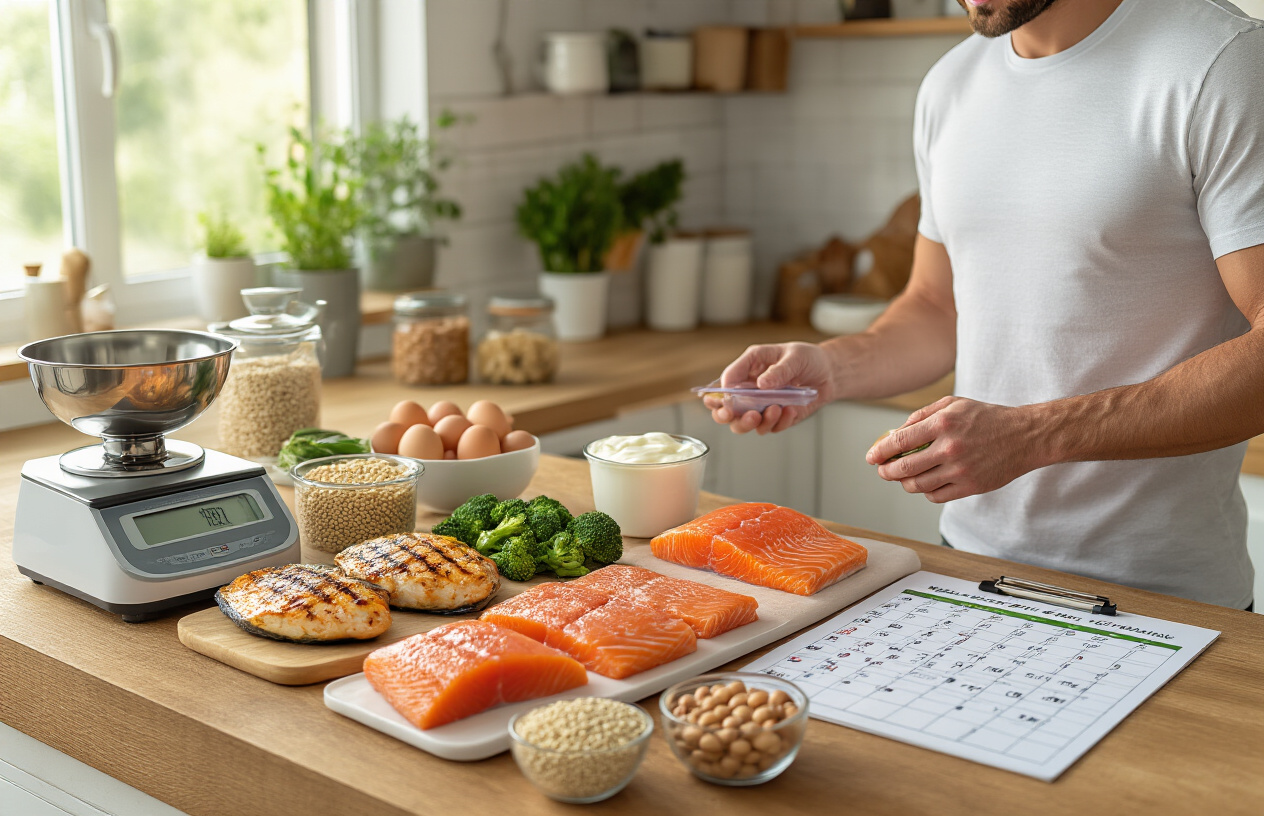
Optimal protein intake amounts for different age groups
Daily protein needs shift significantly throughout life stages. Adults typically require 0.8 grams per kilogram of body weight, but this baseline only covers basic maintenance. A 150-pound adult would need about 55 grams daily for essential functions.
Children and teenagers need more protein per pound than adults because they’re actively growing. Kids aged 4-8 require roughly 19 grams daily, while teens need 34-52 grams depending on their size and growth rate.
Adults over 65 face unique challenges with protein absorption and muscle maintenance. Research shows they benefit from 1.0-1.2 grams per kilogram of body weight to prevent age-related muscle loss. A 140-pound older adult should aim for 65-75 grams daily.
Pregnant women need an extra 25 grams beyond their regular intake to support fetal development, while breastfeeding mothers require an additional 25-35 grams above baseline needs.
| Age Group | Protein Need (g/kg body weight) | Example (150 lb person) |
|---|---|---|
| Children 4-8 | 0.95 | 65g |
| Teens 14-18 | 0.85 | 58g |
| Adults 19-64 | 0.8 | 55g |
| Adults 65+ | 1.0-1.2 | 68-82g |
| Pregnant women | +25g above baseline | 80g |
Best times to consume protein for muscle synthesis
Your body processes protein most effectively when you spread intake throughout the day. Muscle protein synthesis peaks when you consume 20-40 grams every 3-4 hours rather than loading up in one massive meal.
Morning protein intake kickstarts muscle recovery after the overnight fasting period. Your muscles have been breaking down proteins for energy while you sleep, so a protein-rich breakfast helps reverse this process. Aim for 25-30 grams within two hours of waking up.
Post-workout timing matters, but the “anabolic window” isn’t as narrow as once believed. Consuming protein within 2-3 hours after exercise optimizes muscle repair and growth. The exact timing matters less than getting adequate protein consistently.
Evening protein, particularly casein-rich sources like Greek yogurt or cottage cheese, provides a steady amino acid release during sleep. This slow-digesting protein supports overnight muscle recovery and prevents excessive muscle breakdown.
Pre-workout protein can enhance performance and recovery when consumed 1-2 hours before training. A small serving of 15-20 grams provides amino acids without causing digestive discomfort during exercise.
Balancing protein with other macronutrients
Protein works best when paired strategically with carbohydrates and healthy fats. Carbohydrates help drive amino acids into muscle cells and prevent protein from being used as energy instead of for muscle building and repair.
The ideal post-workout combination includes a 3:1 or 4:1 ratio of carbs to protein. This might look like a banana with Greek yogurt or sweet potato with grilled chicken. The carbs replenish glycogen stores while protein handles muscle repair.
Fat doesn’t directly enhance protein synthesis, but it plays crucial roles in hormone production and nutrient absorption. Include healthy fats like avocado, nuts, or olive oil with protein meals to support overall health and satiety.
Fiber-rich vegetables complement protein meals by slowing digestion and providing sustained energy release. This combination prevents blood sugar spikes and keeps you satisfied longer. A balanced plate might include lean protein covering one-quarter, complex carbs covering another quarter, and vegetables filling half the space.
Timing these combinations matters too. High-fat meals before workouts can slow digestion and cause discomfort, while post-workout meals benefit from faster-digesting proteins and carbs.
Adjusting protein needs for active lifestyles
Athletic individuals require significantly more protein than sedentary people. Endurance athletes need 1.2-1.4 grams per kilogram of body weight, while strength athletes and bodybuilders may require 1.6-2.2 grams per kilogram.
Training intensity affects protein needs more than training frequency. High-intensity sessions create more muscle damage and require additional protein for repair. Someone doing moderate exercise 3-4 times weekly might need 1.0-1.2 grams per kilogram, while those training intensely daily could require 1.8-2.0 grams.
Recovery periods also influence protein requirements. During heavy training blocks or competition seasons, protein needs increase to support adaptation and prevent overtraining. During lighter phases or off-seasons, requirements may decrease slightly but shouldn’t drop below baseline needs.
Environmental factors play a role too. Hot weather training, high altitude, and frequent travel all increase protein turnover and needs. Athletes in these conditions should increase intake by 10-15% above their normal requirements.
Quality becomes even more critical for active individuals. Complete proteins containing all essential amino acids support recovery better than incomplete sources. Animal proteins and properly combined plant proteins provide the amino acid profiles active people need most.
Hydration affects protein utilization as well. Dehydrated muscles can’t efficiently use available amino acids, making adequate fluid intake essential for maximizing protein benefits during active periods.
Natural Protein Combinations for Enhanced Absorption
Complementary amino acid pairings in plant foods
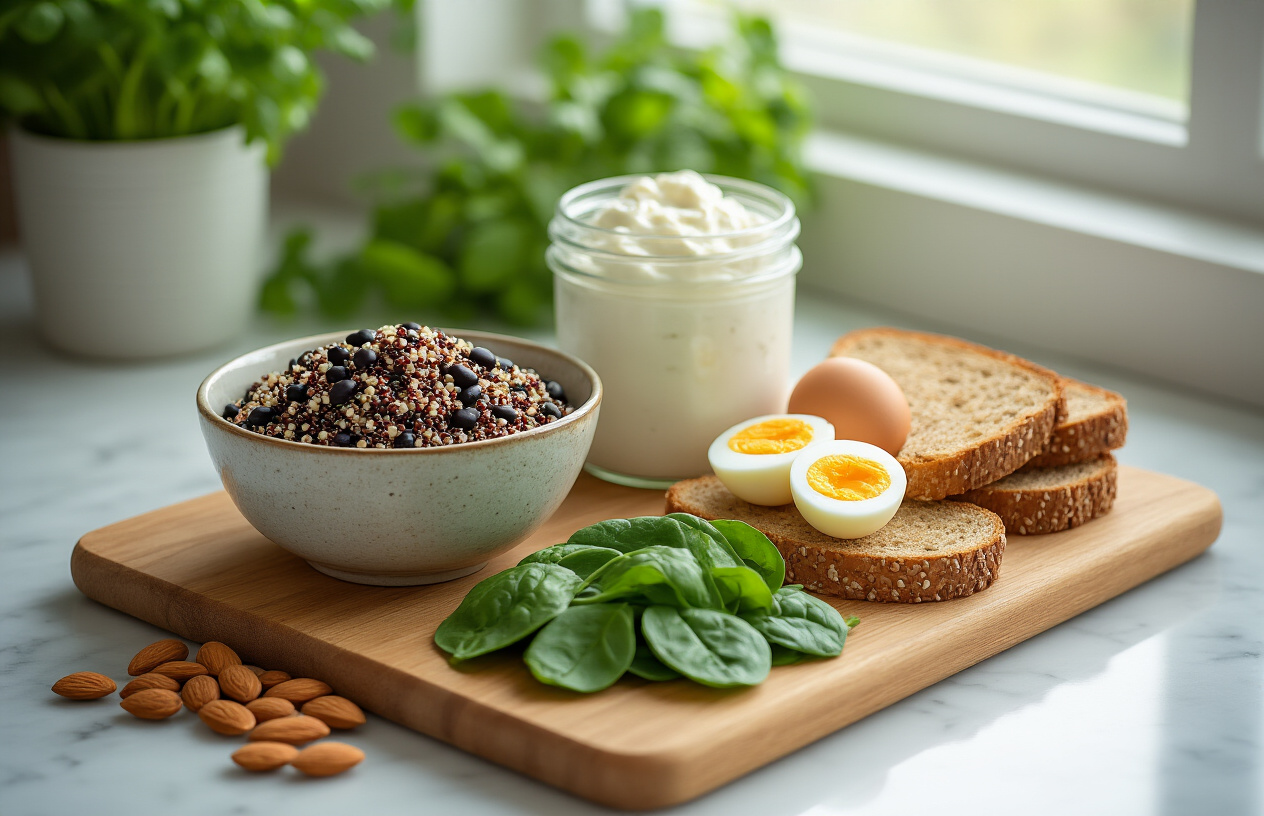
Getting complete proteins from plant foods becomes simple when you understand which combinations work best together. Rice and beans create the perfect amino acid profile – rice provides methionine while beans supply lysine, creating a complete protein that rivals any animal source. This classic pairing appears across cultures worldwide for good reason.
Quinoa paired with nuts or seeds amplifies protein quality even more. While quinoa already contains all essential amino acids, adding almonds or hemp seeds boosts the overall protein content and improves bioavailability. Lentils work exceptionally well with whole grains like barley or oats, creating satisfying meals that deliver sustained energy.
Tahini on whole grain bread isn’t just delicious – it’s protein gold. The sesame seeds in tahini complement the amino acid profile of grains perfectly. Similarly, hummus with pita bread provides complete proteins while satisfying hunger for hours.
| Plant Protein Combination | Key Amino Acids Enhanced | Protein Quality Score |
|---|---|---|
| Rice + Black Beans | Lysine + Methionine | 9.2/10 |
| Quinoa + Almonds | All essentials boosted | 9.8/10 |
| Lentils + Oats | Methionine + Lysine | 8.9/10 |
| Tahini + Whole Wheat | Lysine + Methionine | 9.1/10 |
The key is eating these combinations within the same day rather than necessarily in the same meal. Your body pools amino acids throughout the day, so variety across meals works perfectly.
Digestive enzymes and natural enhancers
Your body’s ability to break down and absorb protein depends heavily on digestive enzyme activity. Pineapple contains bromelain, a powerful enzyme that breaks down protein molecules into smaller, more absorbable pieces. Adding fresh pineapple to protein-rich meals or consuming it afterward can significantly improve digestion.
Papaya delivers papain, another protein-digesting enzyme that works wonders for heavy protein meals. Ginger root stimulates digestive fire and helps your stomach produce more hydrochloric acid, which is essential for protein breakdown. A small piece of fresh ginger before meals or ginger tea with your food can make a noticeable difference.
Fermented foods like sauerkraut, kimchi, and kefir provide both probiotics and natural enzymes that support protein digestion. These foods create an optimal gut environment where protein absorption thrives. Apple cider vinegar taken before protein-heavy meals helps increase stomach acid production, making protein breakdown more efficient.
Sprouting grains, legumes, and seeds dramatically increases their digestibility and protein availability. The sprouting process activates enzymes that pre-digest proteins, making them easier for your body to use. Sprouted lentils, chickpeas, and mung beans become protein powerhouses with enhanced absorption rates.
Meal timing strategies for better protein utilization
Spreading protein intake throughout the day optimizes muscle protein synthesis and overall utilization. Your body can effectively process about 25-30 grams of protein per meal, making frequent smaller portions more effective than one massive protein load.
Morning protein intake jumpstarts your metabolism and provides sustained energy. Eggs with avocado, Greek yogurt with nuts, or a plant-based protein smoothie sets a strong foundation for the day. Your body has been fasting overnight, making it primed for protein absorption.
Pre-workout protein timing can enhance performance and recovery. Consuming 15-20 grams of easily digestible protein 30-60 minutes before exercise provides amino acids for muscle energy and reduces muscle breakdown during training. Post-workout protein within 30 minutes maximizes recovery benefits.
Evening protein consumption supports overnight muscle repair and growth hormone release. Casein protein from dairy or slower-digesting plant proteins like hemp provide a steady amino acid release throughout the night. This timing strategy works especially well for people focused on muscle building or recovery.
Combining protein with healthy fats slows digestion and extends amino acid release. Adding nuts to yogurt, avocado to eggs, or olive oil to legume dishes creates sustained protein availability over several hours rather than a quick spike and drop.
Health Benefits of Natural High-Protein Diets
Improved Muscle Mass and Strength Maintenance
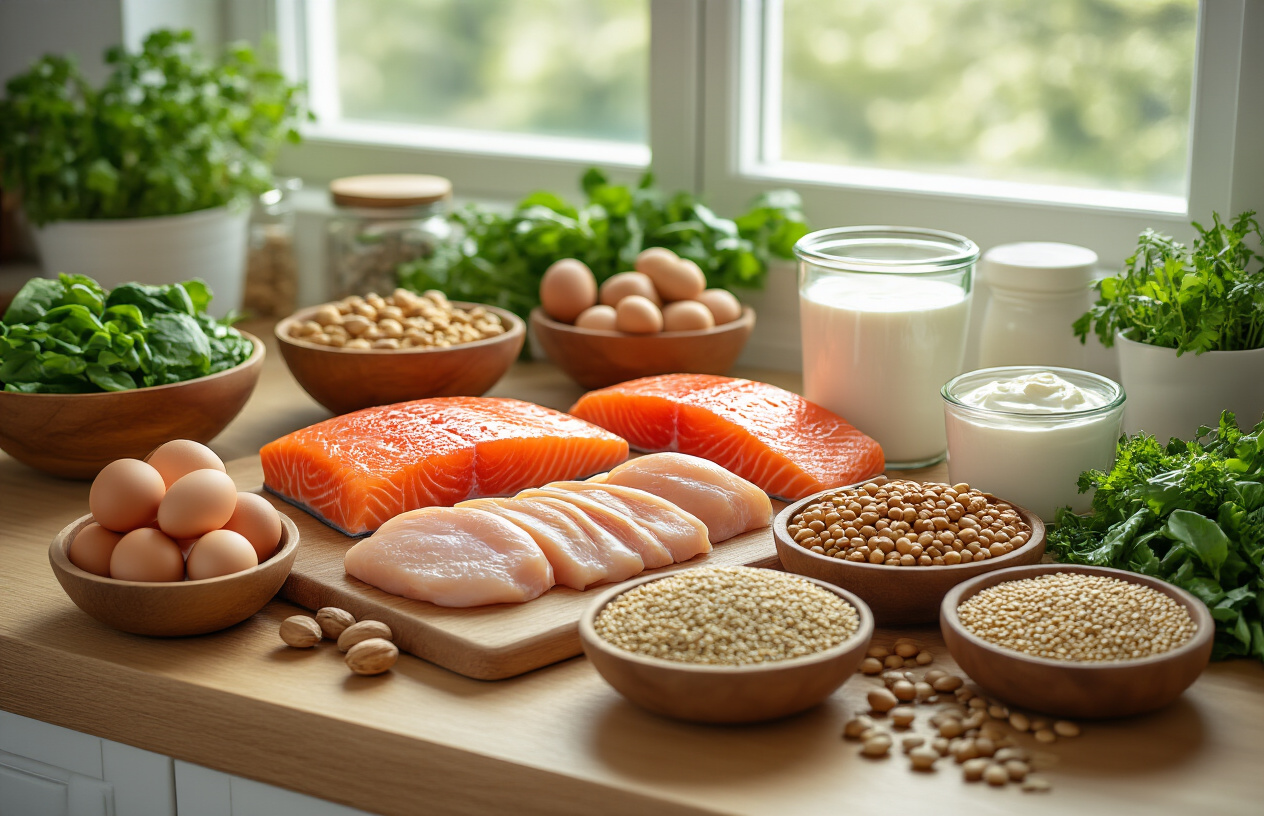
Natural high-protein diets play a crucial role in preserving and building lean muscle tissue throughout your life. Your muscles need a steady supply of amino acids to repair microscopic damage from daily activities and exercise. When you consume protein from whole food sources like grass-fed meats, wild-caught fish, eggs, legumes, and nuts, you provide your body with complete amino acid profiles that support muscle protein synthesis.
Research shows that adults consuming adequate protein (0.8-1.2 grams per kilogram of body weight) maintain muscle mass more effectively as they age. This becomes particularly important after age 30, when muscle mass naturally begins declining by 3-8% per decade. Combining protein intake with resistance training amplifies these benefits, creating an optimal environment for muscle growth and retention.
Plant-based proteins from sources like quinoa, hemp seeds, and spirulina offer additional phytonutrients that support recovery and reduce exercise-induced oxidative stress. Animal proteins provide leucine, an amino acid that triggers muscle protein synthesis most effectively when consumed in 20-30 gram portions.
Enhanced Metabolism and Weight Management
Protein has the highest thermic effect among all macronutrients, meaning your body burns more calories digesting and processing protein compared to carbohydrates or fats. This metabolic boost can increase daily calorie expenditure by 15-30%, making natural protein sources valuable allies in weight management.
When you eat protein-rich meals, your body works harder to break down complex amino acid chains, creating heat and burning energy in the process. This thermogenic effect lasts several hours after eating, extending your metabolic rate well beyond mealtime. Natural protein sources like lean meats, fish, and plant proteins provide this benefit without the additives and preservatives found in processed alternatives.
Protein also helps preserve lean muscle mass during weight loss efforts. When you create a caloric deficit, your body may break down muscle tissue for energy if protein intake is inadequate. Maintaining muscle mass keeps your resting metabolic rate higher, making long-term weight maintenance more achievable.
Better Blood Sugar Control and Satiety
Natural proteins excel at stabilizing blood glucose levels and promoting feelings of fullness that last for hours. Unlike refined carbohydrates that cause rapid spikes and crashes in blood sugar, protein provides steady energy release and helps slow the absorption of glucose into your bloodstream.
This stabilizing effect proves especially beneficial for people managing diabetes or prediabetes. Pairing protein with carbohydrates at meals creates a more gradual rise in blood sugar, reducing the burden on insulin production and improving overall glycemic control.
Protein triggers the release of satiety hormones like GLP-1 and peptide YY, which signal your brain that you’re satisfied and full. These hormones work together to reduce appetite for several hours after eating, naturally decreasing overall calorie intake without conscious restriction. This biological response explains why protein-rich breakfasts often lead to reduced snacking and smaller lunch portions.
Natural protein sources also take more energy to digest and metabolize, contributing to increased feelings of satisfaction and reduced cravings for processed foods high in sugar and refined carbohydrates.
Stronger Immune System Function
Your immune system relies heavily on protein to function optimally. Antibodies, the specialized proteins that fight infections and foreign invaders, are built from amino acids obtained through dietary protein. Without adequate protein intake, your body cannot produce sufficient antibodies to mount effective immune responses.
Natural protein sources provide essential amino acids like glutamine, which serves as fuel for immune cells and helps maintain the integrity of your intestinal barrier. This barrier function is critical for preventing harmful bacteria and toxins from entering your bloodstream and triggering inflammatory responses.
Complete proteins from sources like eggs, fish, and combining plant proteins ensure your body has access to all essential amino acids needed for optimal immune function. Zinc, selenium, and B vitamins naturally present in many protein-rich foods further support immune cell production and activity.
White blood cells, your body’s primary defense against pathogens, require protein for proper development and function. Inadequate protein intake can lead to reduced white blood cell counts and impaired immune responses, making you more susceptible to infections and slower to recover from illness.
Reduced Inflammation and Disease Prevention
Natural high-protein diets can significantly reduce chronic inflammation when protein sources are chosen wisely. Wild-caught fish rich in omega-3 fatty acids, grass-fed meats, and plant proteins containing antioxidants actively combat inflammatory processes in your body.
Chronic inflammation contributes to numerous health conditions including heart disease, diabetes, arthritis, and certain cancers. Anti-inflammatory proteins help break this cycle by providing amino acids needed to produce glutathione, your body’s master antioxidant, while simultaneously reducing pro-inflammatory compounds.
Plant proteins from sources like beans, lentils, and nuts bring additional anti-inflammatory compounds including fiber, polyphenols, and phytosterols. These compounds work synergistically with protein to reduce markers of inflammation like C-reactive protein and interleukin-6.
Quality animal proteins from pasture-raised sources contain higher levels of anti-inflammatory omega-3 fatty acids and conjugated linoleic acid (CLA) compared to conventionally raised alternatives. These natural compounds help regulate immune responses and reduce systemic inflammation that contributes to chronic disease development.
Regular consumption of natural, unprocessed proteins supports cellular repair mechanisms and provides building blocks for enzymes involved in detoxification processes, further reducing disease risk and promoting longevity.
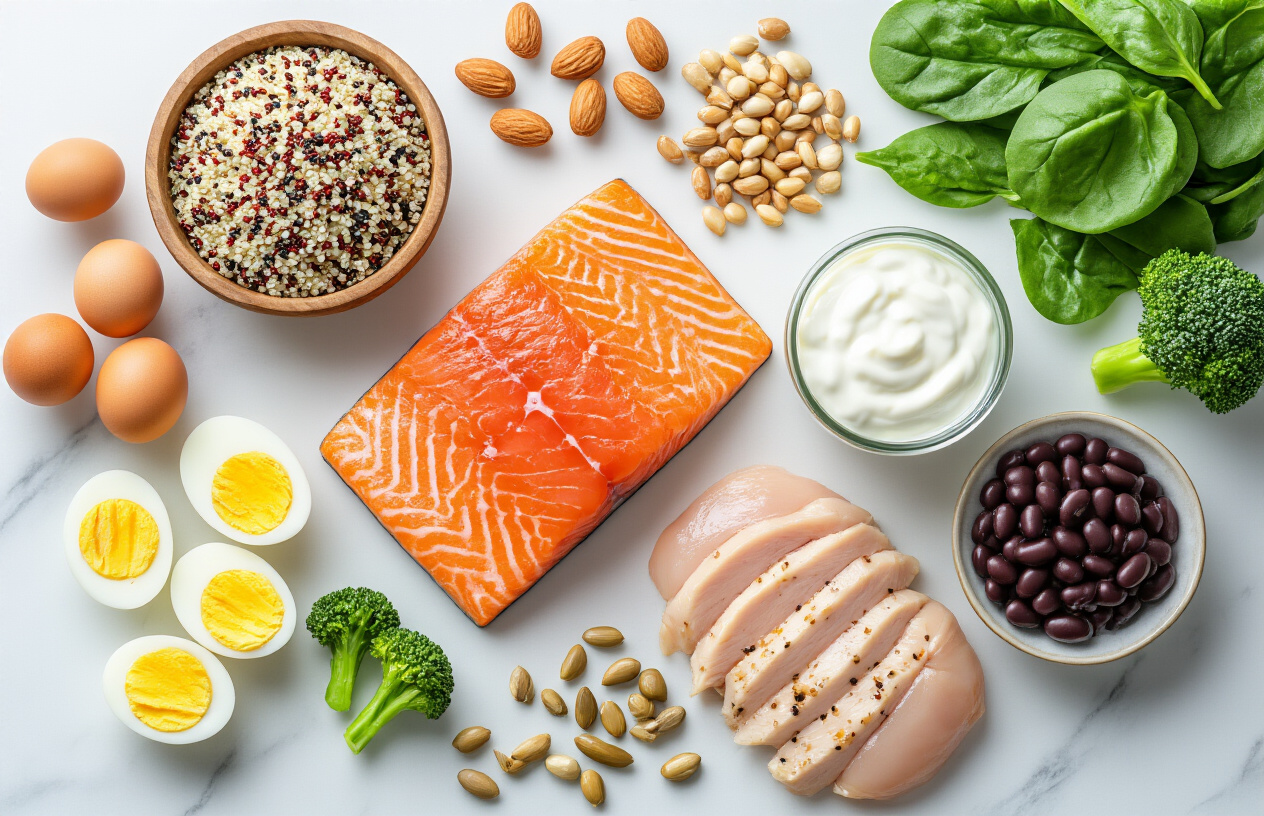
Getting enough protein doesn’t have to be complicated or expensive. Plant foods like lentils, quinoa, and hemp seeds pack serious protein power while giving you fiber and nutrients that processed options can’t match. Animal proteins from grass-fed beef, wild-caught fish, and pasture-raised eggs deliver complete amino acid profiles your body craves. The real game-changer is mixing different protein sources throughout your day and pairing them smart – think beans with rice or nuts with seeds.
Natural protein-rich diets do more than just build muscle. They keep your energy steady, help you feel full longer, and support everything from your immune system to healthy aging. Start simple by adding one new protein source to your meals each week, whether that’s swapping regular pasta for lentil pasta or choosing wild salmon over farm-raised. Your body will thank you for choosing whole, unprocessed proteins that work with your natural biology instead of against it.