
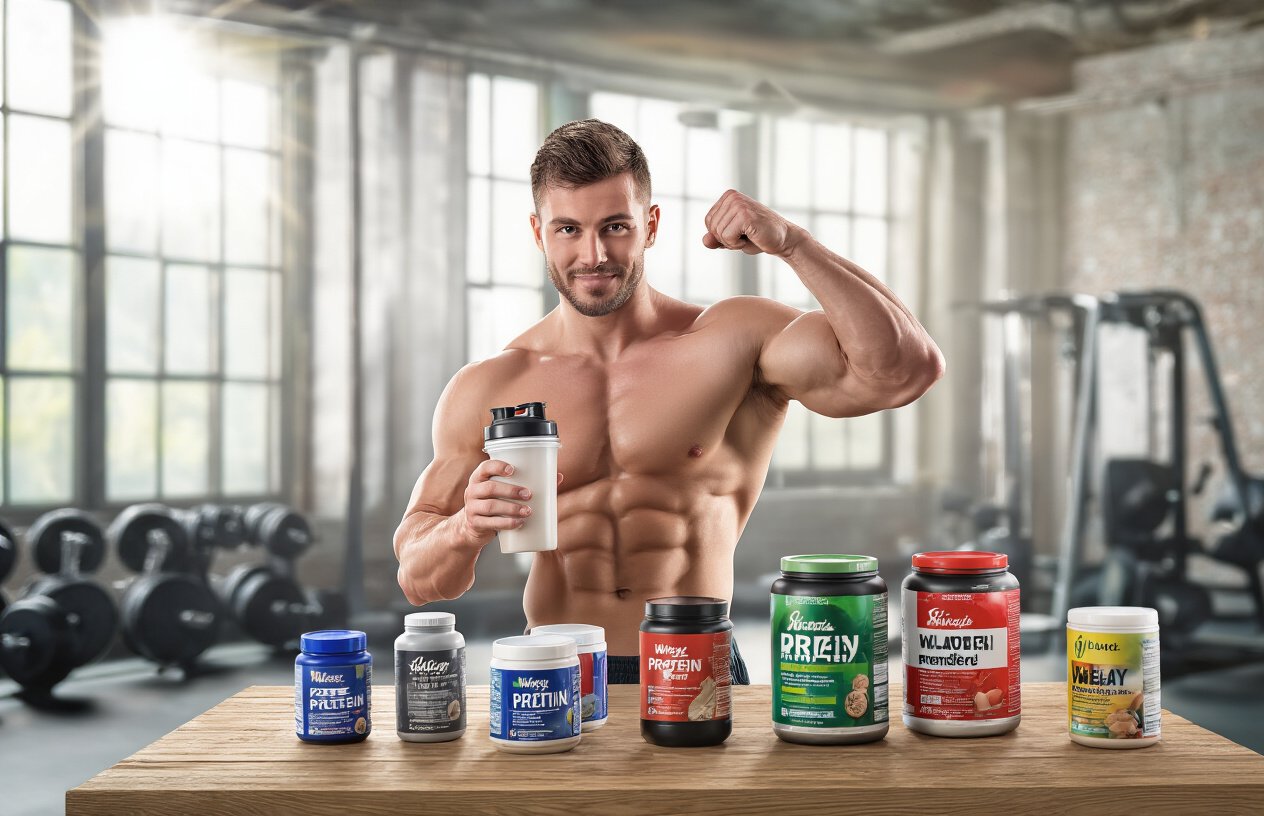
Finding the best whey protein for muscle gain can make or break your fitness goals. Serious lifters, weekend warriors, and anyone looking to pack on lean muscle need a protein powder that actually works.
This guide is for gym-goers who want real results, not marketing fluff. We’ll cut through the noise to help you choose a whey protein that supports your muscle-building efforts.
You’ll discover which types of whey protein build muscle fastest and how much you actually need to take for optimal growth. We’ll also reveal the top-rated brands that consistently deliver quality results and share proven strategies to maximize your muscle gains through smart whey protein timing and usage.
Understanding Whey Protein for Maximum Muscle Building
How Whey Protein Accelerates Muscle Protein Synthesis
Whey protein acts like a molecular key that unlocks your body’s muscle-building machinery. When you consume whey, it rapidly elevates amino acid levels in your bloodstream, particularly leucine – the primary trigger for muscle protein synthesis (MPS). This process kicks into high gear within 30-60 minutes of consumption, sending powerful signals to your muscle cells to start building new proteins.
The magic happens at the cellular level where whey’s amino acids bind to specific receptors, activating the mTOR pathway. Think of mTOR as your muscle’s construction foreman – it decides when to start building and how much to build. Whey protein provides such a potent leucine spike that it can increase MPS rates by 68% compared to baseline levels, making it significantly more effective than slower-digesting proteins like casein or plant-based alternatives.
Research shows whey protein maintains elevated MPS for 3-4 hours after consumption, creating an extended anabolic window. This sustained muscle-building response gives your body ample time to repair damaged muscle fibers and add new tissue, especially when combined with resistance training.
Complete Amino Acid Profile Benefits for Muscle Growth
Whey protein delivers all nine essential amino acids your body cannot produce on its own, making it a complete protein powerhouse. This comprehensive amino acid spectrum provides the exact building blocks your muscles need for optimal growth and recovery.
The standout player is leucine, comprising roughly 11% of whey’s amino acid content. Most protein sources contain 6-8% leucine, but whey’s higher concentration means you hit the 2.5-3 gram leucine threshold needed to maximize MPS more easily. This leucine advantage translates to superior muscle-building potential with smaller serving sizes.
Whey also provides substantial amounts of:
- Isoleucine and Valine: Complete the branched-chain amino acid trio for enhanced recovery
- Lysine: Critical for collagen synthesis and tissue repair
- Methionine: Supports protein synthesis and cellular function
- Threonine: Essential for immune function and muscle maintenance
This balanced profile ensures your muscles receive every essential component needed for growth, unlike incomplete protein sources that may lack certain amino acids and limit your gains.
Fast Absorption Rate Advantages Over Other Proteins
Whey protein’s rapid digestion sets it apart from every other protein source. While casein takes 6-8 hours to fully digest and plant proteins often require 4-6 hours, whey reaches peak amino acid concentrations in your bloodstream within 60-90 minutes.
This speed advantage creates several muscle-building benefits:
Immediate Post-Workout Recovery: Your muscles are most receptive to nutrients immediately after training. Whey’s fast absorption capitalizes on this anabolic window when your body desperately needs amino acids for repair and growth.
Higher Peak Amino Acid Levels: Faster absorption creates a more dramatic spike in blood amino acid concentrations. This intense surge provides a stronger signal for muscle protein synthesis compared to the gradual, sustained release of slower proteins.
Multiple Daily Opportunities: Because whey clears your system relatively quickly, you can consume multiple servings throughout the day without feeling constantly full or bloated, unlike slower proteins that sit heavily in your stomach for hours.
Optimal Timing Strategies for Muscle Gain
Strategic timing transforms whey protein from a simple supplement into a precision muscle-building tool. The most effective approach involves targeting specific windows when your body can best utilize whey’s rapid-acting properties.
Post-Workout Priority: Consume 25-40 grams within 30 minutes after training when muscle protein synthesis receptivity peaks. Your worked muscles act like sponges, rapidly absorbing amino acids for immediate repair and growth.
Morning Muscle Protection: After 8+ hours of sleep without food, your body enters a catabolic state where it breaks down muscle tissue for energy. A morning whey shake quickly reverses this process and jumpstarts muscle protein synthesis for the day ahead.
Pre-Workout Priming: Taking whey 30-45 minutes before training ensures peak amino acid availability during and immediately after your workout. This strategy provides a constant supply of building blocks when your muscles need them most.
Between-Meal Bridges: Use whey between main meals when protein intake naturally dips. This maintains elevated amino acid levels throughout the day, preventing muscle breakdown during longer periods without food.
Avoid consuming whey with high-fat or high-fiber foods, as these slow absorption and diminish its rapid-acting advantages. Instead, pair it with simple carbohydrates to enhance uptake and maximize muscle-building potential.
Top Whey Protein Types That Build Muscle Fastest
Whey isolate for lean muscle development
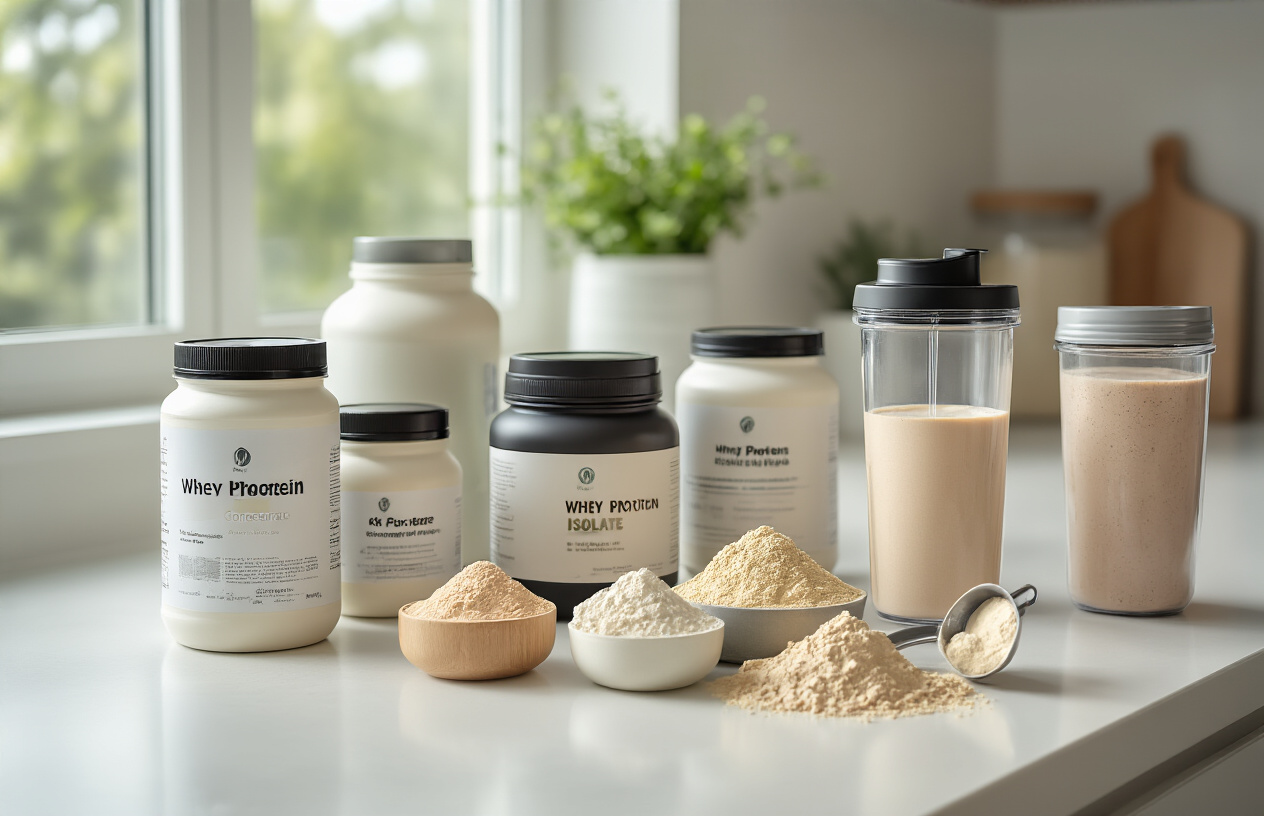
Whey isolate stands as the gold standard for serious muscle builders who want maximum protein with minimal extras. This refined form of whey protein undergoes additional processing to strip away nearly all lactose, fat, and carbohydrates, leaving you with 90-95% pure protein per serving.
The magic happens in the manufacturing process. Through microfiltration or ion exchange, manufacturers remove the components that can slow absorption or cause digestive issues. What remains is a fast-absorbing protein that floods your muscles with amino acids within 30-60 minutes of consumption.
For lean muscle development, whey isolate offers several key advantages:
- Higher protein density: More muscle-building protein per gram compared to other forms
- Rapid absorption: Gets to work quickly in your system
- Low calorie count: Perfect for cutting phases or maintaining low body fat
- Lactose-free: Ideal for those with dairy sensitivities
- Clean amino acid profile: Rich in leucine, the primary trigger for muscle protein synthesis
Athletes often choose whey isolate during contest prep or when trying to add muscle without excess calories. The trade-off? You’ll pay more per serving compared to concentrate. However, many find the investment worthwhile for the superior purity and faster results.
Best timing for whey isolate includes post-workout when your muscles are primed for nutrient uptake, or between meals when you need quick protein without the bulk of whole foods.
Whey concentrate for budget-friendly muscle gains
Whey concentrate offers the sweet spot between effectiveness and affordability, making it the most popular choice among recreational lifters and budget-conscious athletes. With protein content ranging from 70-80%, concentrate provides substantial muscle-building power without breaking the bank.
The processing for whey concentrate is less intensive than isolate, which keeps costs down while preserving beneficial compounds that get filtered out in more refined versions. You’ll find small amounts of lactose, fat, and carbohydrates alongside the protein, which actually provides some advantages.
Key benefits of whey concentrate include:
- Cost-effective: Often 30-50% cheaper than isolate
- Natural growth factors: Retains immune-boosting compounds and growth factors
- Sustained energy: Small amounts of carbs and fats provide additional fuel
- Great taste: Natural milk components enhance flavor and mixability
- Proven results: Decades of research support its muscle-building effectiveness
The slightly slower absorption compared to isolate actually works in your favor during certain times. The mixed macronutrient profile makes concentrate excellent for meal replacements or between-meal snacks when you want sustained amino acid release.
Many successful bodybuilders and strength athletes built their physiques primarily using whey concentrate. The small amounts of lactose rarely cause issues for most people, and the retained bioactive compounds may offer additional health benefits that pure isolate lacks.
Hydrolyzed whey for rapid absorption benefits
Hydrolyzed whey represents the pre-digested form of whey protein, where enzymes break down the protein chains into smaller peptides and amino acids before you even consume it. This process creates the fastest-absorbing whey protein available, with nutrients hitting your bloodstream in as little as 15-30 minutes.
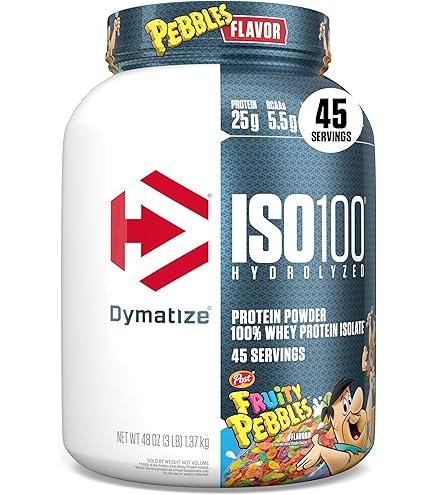
The hydrolysis process essentially does part of your digestive work in advance. By breaking protein bonds, manufacturers create a product that bypasses much of the normal digestion process, delivering amino acids directly to your muscles when they need them most.
Performance advantages of hydrolyzed whey:
| Benefit | Timeline | Impact |
|---|---|---|
| Peak absorption | 15-30 minutes | Immediate amino acid availability |
| Muscle protein synthesis | 30-45 minutes | Faster activation of growth signals |
| Recovery initiation | Within 1 hour | Earlier start to repair processes |
| Reduced digestive stress | Immediate | Less bloating or discomfort |
Athletes using hydrolyzed whey often report faster recovery between training sessions and improved performance during high-frequency training blocks. The rapid delivery makes it particularly valuable immediately post-workout when your muscles are most receptive to nutrients.
The downside? Hydrolyzed whey typically costs 50-100% more than concentrate and often has a more bitter taste due to the pre-digestion process. Many brands add extra flavoring to mask this, but some still find the taste challenging.
Professional athletes and serious competitors often justify the extra cost for the marginal gains in absorption speed, especially during intense training phases or competition preparation.
Science-Backed Dosage Guidelines for Muscle Growth
Daily Protein Requirements for Muscle Building
Research consistently shows that individuals focused on muscle building need significantly more protein than the standard recommended daily allowance. The International Society of Sports Nutrition recommends 1.4-2.0 grams of protein per kilogram of body weight daily for strength athletes and bodybuilders. For a 180-pound individual, this translates to roughly 115-165 grams of protein daily.
Active individuals pushing hard in the gym typically benefit from the higher end of this range. Studies published in the Journal of Sports Medicine and Physical Fitness demonstrate that consuming 2.2-2.5 grams per kilogram of body weight optimizes muscle protein synthesis rates during intense training periods.
Post-Workout Serving Sizes That Maximize Gains
The post-workout window represents your most critical protein intake opportunity. Research from the American Journal of Clinical Nutrition shows that 20-40 grams of high-quality whey protein maximally stimulates muscle protein synthesis after resistance training.
Here’s what the science tells us about optimal serving sizes:
- Smaller individuals (under 150 lbs): 20-25 grams
- Average build (150-200 lbs): 25-35 grams
- Larger athletes (over 200 lbs): 35-40 grams
Going beyond 40 grams doesn’t provide additional muscle-building benefits according to multiple studies. Your body can only process so much protein at once for muscle repair and growth.
Timing Protocols for Enhanced Muscle Protein Synthesis
Protein timing can make or break your muscle-building efforts. The “anabolic window” – that critical period after training – lasts approximately 2-3 hours post-workout. Consuming whey protein within 30-60 minutes after your last set maximizes the muscle-building response.
Consider this effective timing strategy:
| Time | Protein Amount | Purpose |
|---|---|---|
| Pre-workout (30-60 min) | 10-15g | Prime muscle protein synthesis |
| Post-workout (within 60 min) | 25-40g | Maximize recovery response |
| Before bed | 20-30g casein | Prevent overnight muscle breakdown |
Spreading protein intake throughout the day works better than consuming large amounts infrequently. Aim for protein every 3-4 hours to maintain elevated amino acid levels in your bloodstream.
Adjusting Intake Based on Body Weight and Goals
Your protein needs aren’t one-size-fits-all. Several factors determine your optimal whey protein dosage:
Training intensity plays a huge role. High-volume training programs demand more protein for recovery. Athletes training twice daily or following intense programs like German Volume Training may need up to 2.8 grams per kilogram of body weight.
Body composition goals also matter. Individuals cutting weight while preserving muscle mass benefit from higher protein intakes – sometimes up to 3.0 grams per kilogram. This helps maintain muscle tissue during caloric deficits.
Age considerations are important too. Adults over 40 experience reduced muscle protein synthesis efficiency, requiring approximately 25% more protein than younger trainees to achieve similar results.
Training experience affects requirements as well. Beginners often see results with moderate protein intake, while advanced lifters need higher amounts to continue progressing. Your body becomes more efficient at protein utilization over time, but also more demanding for continued adaptation.
Premium Whey Protein Brands That Deliver Results
Third-party tested options for purity and potency
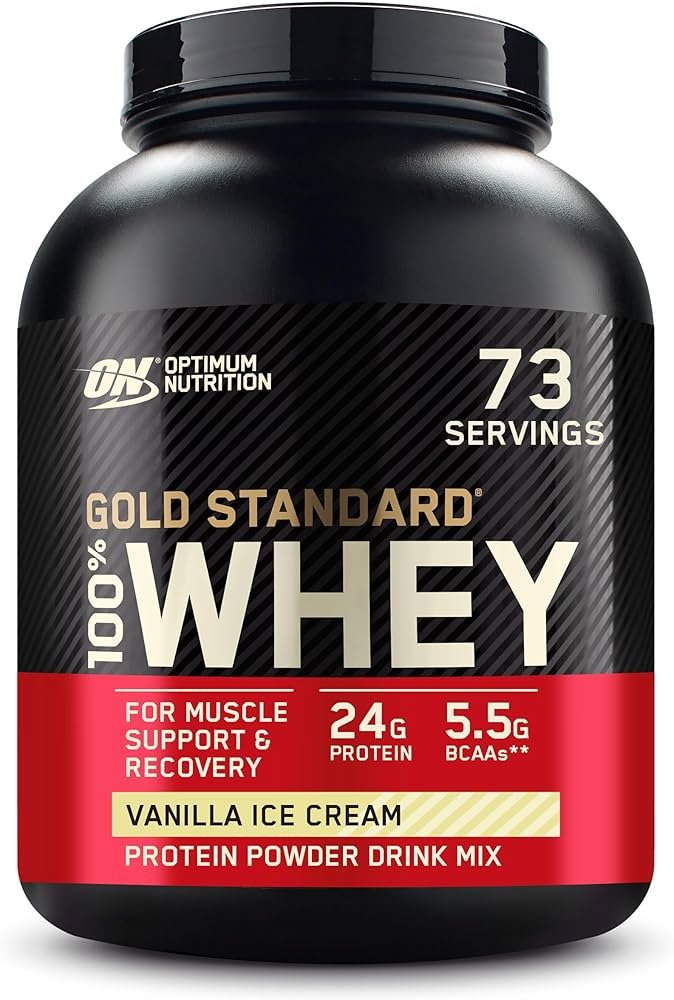
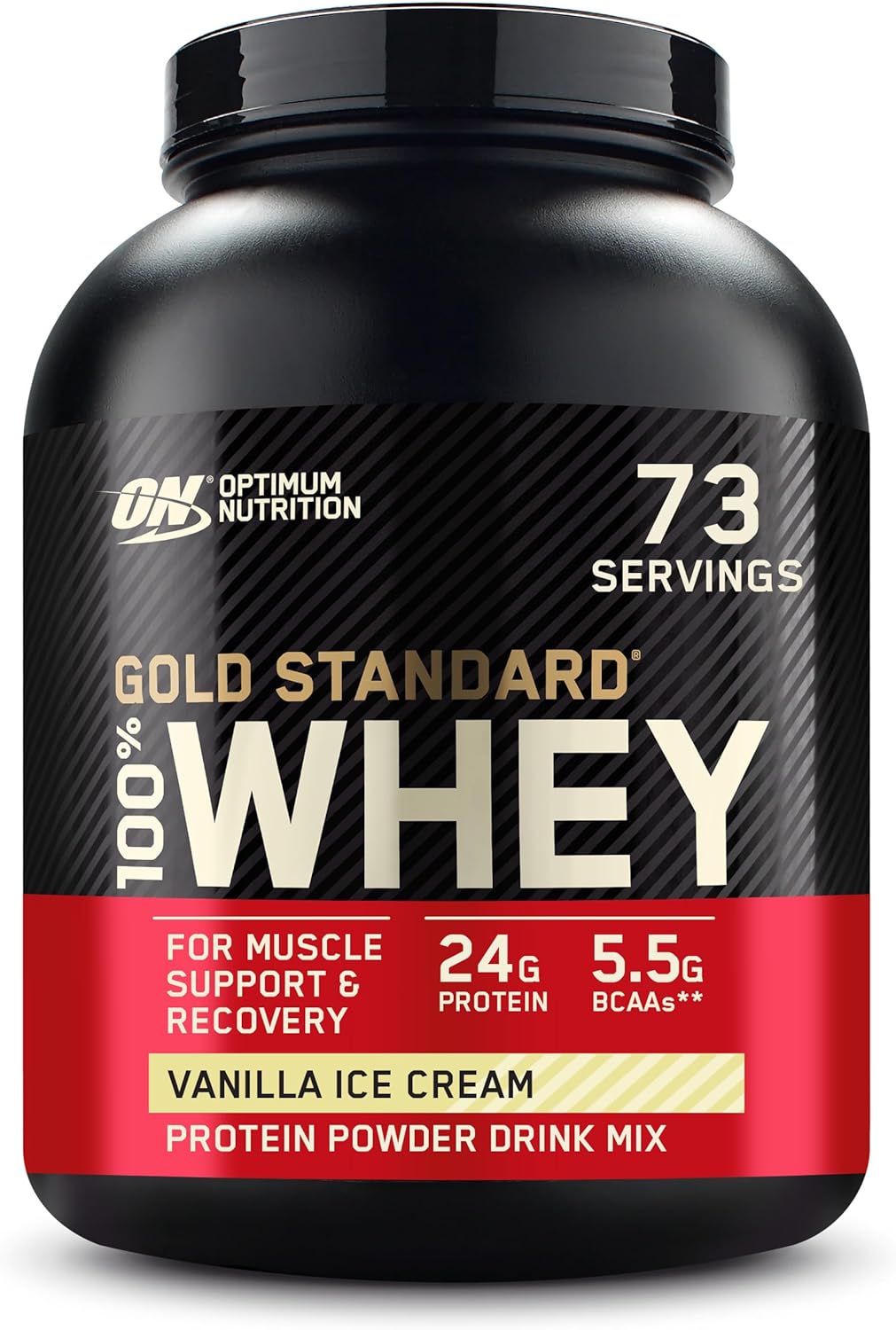
When you’re investing in whey protein for serious muscle gains, third-party testing separates the champions from the pretenders. NSF International and Informed Choice certifications guarantee what’s on the label matches what’s in the container. Dymatize ISO100 stands out with its rigorous testing protocols, ensuring zero banned substances and precise amino acid profiles. Optimum Nutrition Gold Standard also maintains strict quality standards through independent lab verification.
These certifications mean you’re getting exactly the protein content advertised without fillers, heavy metals, or contaminants that could derail your progress. Many cheaper brands skip this crucial step, leaving you guessing about actual protein content and purity levels.
High biological value formulations for muscle gain
Biological value measures how efficiently your body uses protein for muscle synthesis. Whey isolate naturally scores highest on this scale, with brands like Isopure and Dymatize leading the pack at 95+ biological value ratings. These formulations contain all nine essential amino acids in optimal ratios for maximum muscle protein synthesis.
Jay Robb Whey Protein delivers exceptional bioavailability through cold-processing methods that preserve delicate protein structures. The key lies in leucine content – the muscle-building trigger amino acid. Top-tier formulations contain 2.5-3 grams of leucine per serving, significantly more than plant-based alternatives.
Added ingredients that boost muscle building
Smart manufacturers enhance their whey with ingredients that amplify muscle growth beyond basic protein content. MuscleTech Nitro-Tech includes creatine monohydrate and additional BCAAs, creating a comprehensive muscle-building matrix. BSN Syntha-6 combines multiple protein sources with digestive enzymes for improved absorption.
Look for additions like:
- Creatine monohydrate: Increases strength and power output
- Digestive enzymes: Improves protein breakdown and absorption
- Additional leucine: Maximizes muscle protein synthesis
- Glutamine: Supports recovery and immune function
Quest Nutrition Protein Powder includes probiotics for gut health, recognizing that better digestion means better nutrient utilization for muscle growth.
Cost-effective choices without compromising quality
Budget-conscious lifters don’t need to sacrifice results. MuscleTech Phase8 offers premium multi-phase protein at reasonable prices, often under $1.50 per serving. Cytosport Complete provides excellent value with 25 grams of high-quality protein and added vitamins.
| Brand | Price per serving | Protein content | Value score |
|---|---|---|---|
| MuscleTech Phase8 | $1.45 | 26g | Excellent |
| Body Fortress | $0.89 | 30g | Very good |
| Cytosport Complete | $1.25 | 25g | Good |
Body Fortress Super Advanced Whey delivers 30 grams of protein for under a dollar per serving while maintaining solid amino acid profiles. The trick is buying larger containers and watching for sales at warehouse stores.
Maximizing Muscle Gains Through Strategic Whey Usage
Combining whey with resistance training for optimal results
Your muscles need two key things to grow: stimulus and fuel. Whey protein delivers the fuel, but resistance training provides the essential stimulus that triggers muscle protein synthesis. When you lift weights, you create microscopic tears in muscle fibers. Your body repairs these tears with amino acids from whey protein, making the muscle bigger and stronger than before.
The magic happens in the 48-72 hours after your workout. During this recovery window, your muscles are primed to absorb and use protein more efficiently. Studies show that people who combine whey protein with consistent resistance training gain 40% more muscle mass compared to those who only lift weights without proper protein supplementation.
Your training intensity matters too. Progressive overload – gradually increasing weight, reps, or sets – keeps your muscles challenged and hungry for protein. Without this progression, even the best whey protein won’t deliver maximum results.
Stacking with creatine and other muscle-building supplements
Whey protein works incredibly well with other proven supplements. Creatine stands out as the perfect partner because it enhances your ability to lift heavier weights for more reps, while whey protein helps repair and rebuild the muscle tissue you’ve worked.
Take 3-5 grams of creatine monohydrate daily alongside your whey protein. You don’t need to cycle creatine or load it – consistent daily use works best. The combination creates a powerful one-two punch: creatine boosts your training performance, and whey protein maximizes recovery and growth.
Beta-alanine also pairs well with whey protein, especially for high-rep training. It reduces muscle fatigue during sets of 8-15 reps, letting you push harder and create more muscle-building stimulus. A daily dose of 2-3 grams works effectively.
BCAAs become less necessary when you’re already taking high-quality whey protein, since whey naturally contains all essential amino acids in optimal ratios. Save your money and focus on proven combinations that actually add value to your whey protein routine.
Meal timing strategies that amplify protein utilization
Your body can only process so much protein at once, but smart timing helps you maximize every gram. The post-workout window gets the most attention, but your entire day matters for muscle growth.
Start your day with 25-30 grams of whey protein within an hour of waking up. After 8+ hours without food, your body is in a catabolic state, breaking down muscle tissue for energy. Morning whey protein quickly shifts you into an anabolic state where muscle building can begin.
Post-workout timing remains crucial. Consume 25-40 grams of whey protein within 30 minutes after training. Your muscles are most receptive to amino acids during this window, and whey’s fast absorption makes it perfect for this timing.
Don’t forget about bedtime nutrition. While whey digests quickly, having some protein 1-2 hours before sleep helps prevent overnight muscle breakdown. Many people prefer casein protein at night, but whey still provides benefits if that’s what you have available.
Spacing protein intake every 3-4 hours throughout the day maintains elevated amino acid levels in your bloodstream. This consistent supply gives your muscles the building blocks they need for continuous repair and growth, rather than forcing your body to work with whatever happens to be available.
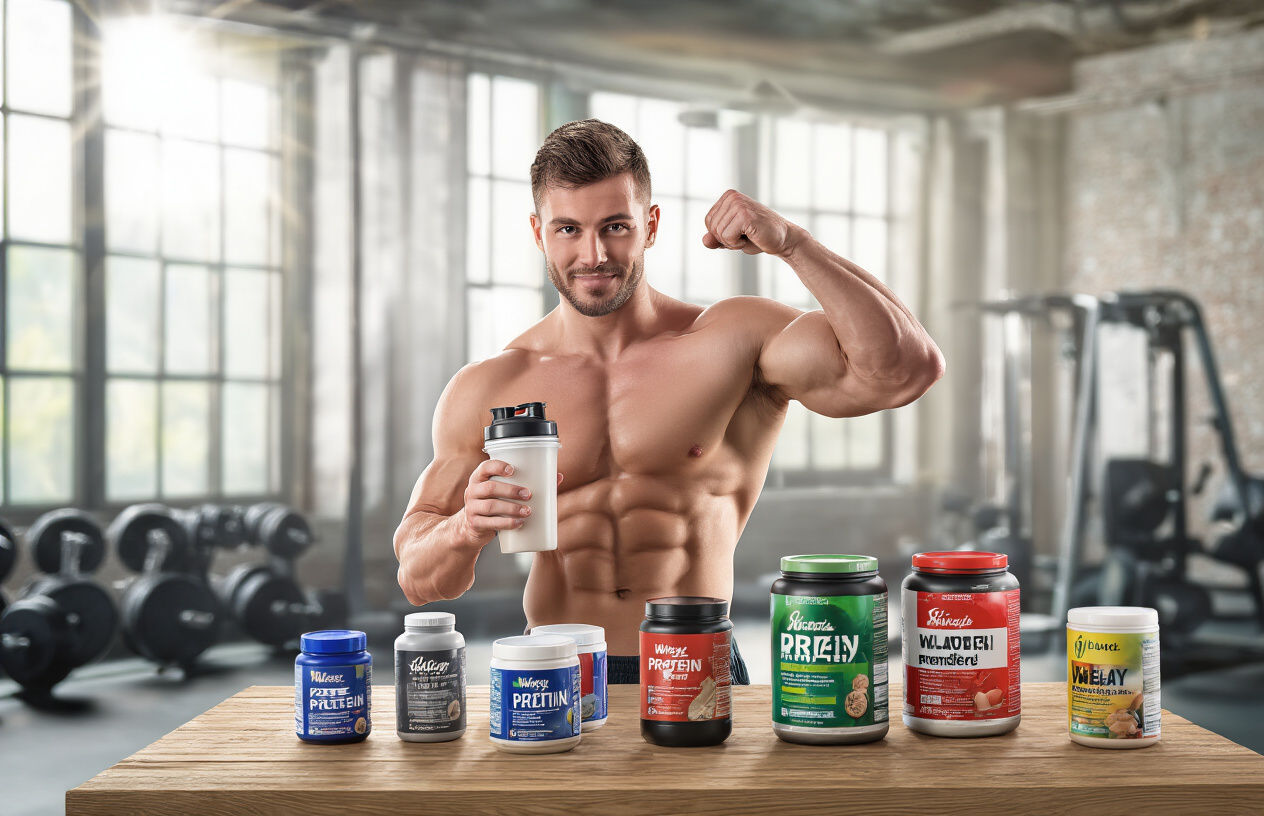
Finding the right whey protein can make a real difference in your muscle-building journey. The science is clear: whey protein isolate and hydrolysate work fastest for muscle recovery, while consuming 20-30 grams within 30 minutes post-workout gives you the best results. Quality matters too, so investing in trusted brands with third-party testing and minimal fillers will help you get the most bang for your buck.
Your protein powder is just one piece of the puzzle, though. Combine your whey supplement with consistent strength training, adequate sleep, and a balanced diet to see the muscle gains you’re working toward. Start with the basics – pick a high-quality whey protein that fits your budget, stick to the recommended dosage, and time it right around your workouts. Your muscles will thank you for the extra support.