
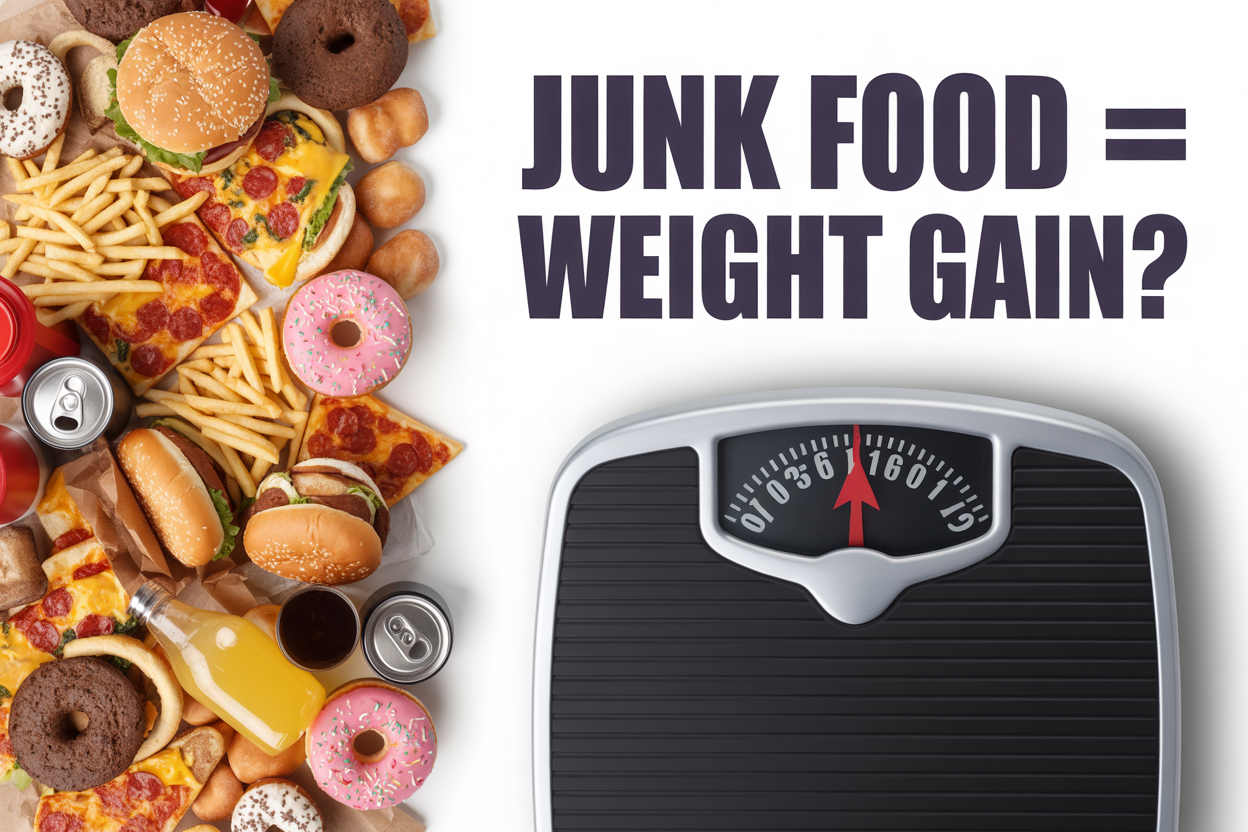
Does junk food really make you gain weight? If you’ve ever wondered why those late-night chip binges seem to show up on the scale, you’re not alone. This guide is for anyone who wants straight answers about the connection between processed snacks and unwanted pounds.
The short answer is yes – junk foods do contribute to weight gain, but the “how” is more complex than you might think. These foods don’t just pack extra calories. They actually mess with your body’s natural hunger signals and create cravings that make you want to eat more.
We’ll break down exactly how junk food affects your metabolism and the hormones that control your appetite. You’ll also discover the sneaky ingredients hiding in your favorite snacks that trigger weight gain. Finally, we’ll share practical strategies you can use right away to enjoy treats without derailing your health goals.
Ready to understand what’s really happening when you reach for that bag of cookies? Let’s dig in.
Understanding How Junk Foods Contribute to Weight Gain
High calorie density leads to excess energy intake
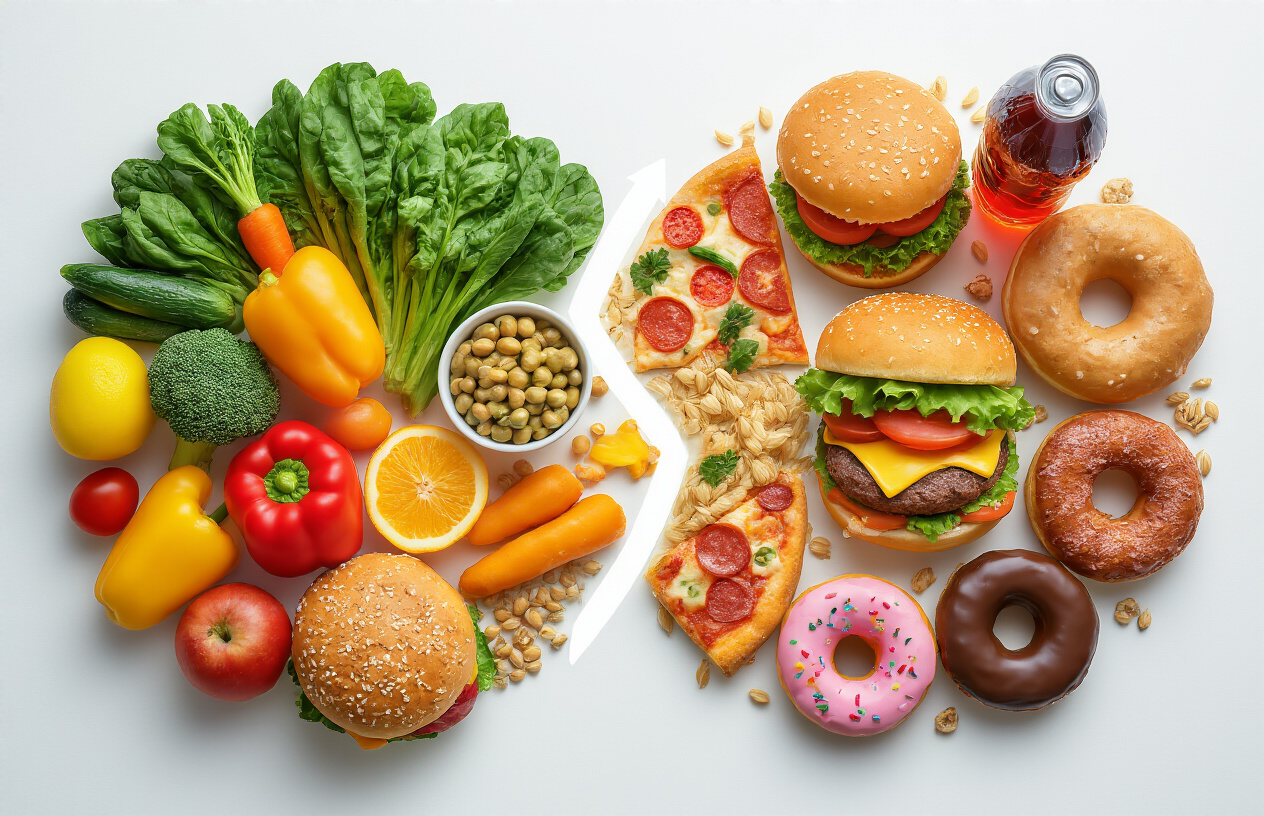
Junk foods pack an enormous amount of calories into small portions, creating a perfect storm for weight gain. A single candy bar can contain 250-300 calories, while a medium bag of chips delivers around 150 calories per ounce. Compare this to whole foods like apples, which contain just 95 calories each, and the difference becomes clear.
The problem with calorie-dense foods is that they don’t trigger your brain’s satiety signals effectively. You can easily consume 500-800 calories from junk food without feeling particularly full, whereas the same calorie amount from vegetables, fruits, and lean proteins would leave you completely satisfied.
Fast food meals exemplify this issue perfectly. A typical burger, fries, and soda combination can reach 1,200-1,500 calories – nearly an entire day’s worth of energy for many people – in just one meal. Your body stores these excess calories as fat when they exceed your daily energy needs.
Added sugars trigger fat storage mechanisms
Sugar in junk foods does more than just add calories – it actively promotes fat storage through hormonal changes. When you consume high amounts of added sugars, your blood glucose levels spike rapidly, causing your pancreas to release large amounts of insulin.
Insulin acts as a storage hormone, directing your body to convert excess glucose into fat and store it in adipose tissue. High-sugar foods create repeated insulin spikes throughout the day, keeping your body in constant fat-storage mode rather than fat-burning mode.
Fructose, commonly found in high-fructose corn syrup used in sodas and processed foods, presents additional problems. Unlike glucose, fructose bypasses normal satiety mechanisms and gets processed directly by the liver. When consumed in large quantities, the liver converts excess fructose into triglycerides and stores them as fat, particularly around the midsection.
Hidden sugars make the situation worse. Many seemingly innocent junk foods contain surprising amounts of added sugars:
| Food Item | Hidden Sugar Content |
|---|---|
| Flavored yogurt | 15-20g per serving |
| Granola bars | 8-12g per bar |
| Salad dressings | 3-6g per tablespoon |
| Pasta sauce | 6-10g per half cup |
Trans fats and saturated fats promote weight accumulation
The type of fat in junk food matters just as much as the quantity. Trans fats, found in many fried foods, baked goods, and processed snacks, are particularly harmful for weight management. These artificial fats not only contribute calories but also interfere with your body’s ability to burn fat efficiently.
Trans fats alter cell membrane composition, making it harder for insulin to function properly. This leads to insulin resistance, where your body needs more insulin to process the same amount of glucose. Higher insulin levels promote fat storage and make weight loss more difficult.
Saturated fats from processed sources also contribute to weight gain differently than saturated fats from whole food sources. The saturated fats in junk foods often come paired with refined carbohydrates and additives that create inflammatory responses in the body. This inflammation disrupts normal metabolic processes and can slow down your metabolism.
Research shows that people who consume high amounts of trans fats gain more abdominal fat over time, even when total calorie intake remains constant. This visceral fat is particularly dangerous for health and notoriously difficult to lose.
Large portion sizes encourage overeating
Modern junk food portions have grown dramatically over the past few decades, and these supersized servings normalize overeating. What used to be considered a large portion is now considered regular or even small in many establishments.
Your brain relies on visual cues to determine appropriate portion sizes. When presented with larger containers or plates, people consistently eat more without realizing it. Fast food restaurants exploit this psychological tendency by offering “value” meals that provide more food for relatively small price increases.
The combination of large portions and highly palatable flavors creates a dangerous cycle. Junk foods are engineered to hit the “bliss point” – the perfect combination of salt, sugar, and fat that keeps you wanting more. These foods literally hijack your brain’s reward system, making it extremely difficult to stop eating once you start.
Portion distortion extends beyond restaurants into grocery stores, where family-size packages of snacks and treats encourage bulk purchasing and consumption. Single-serving packages that were once standard are now labeled as “fun size,” while what used to be family portions are marketed as individual servings.
Hidden Weight-Gaining Ingredients in Common Junk Foods
High Fructose Corn Syrup Increases Appetite and Cravings
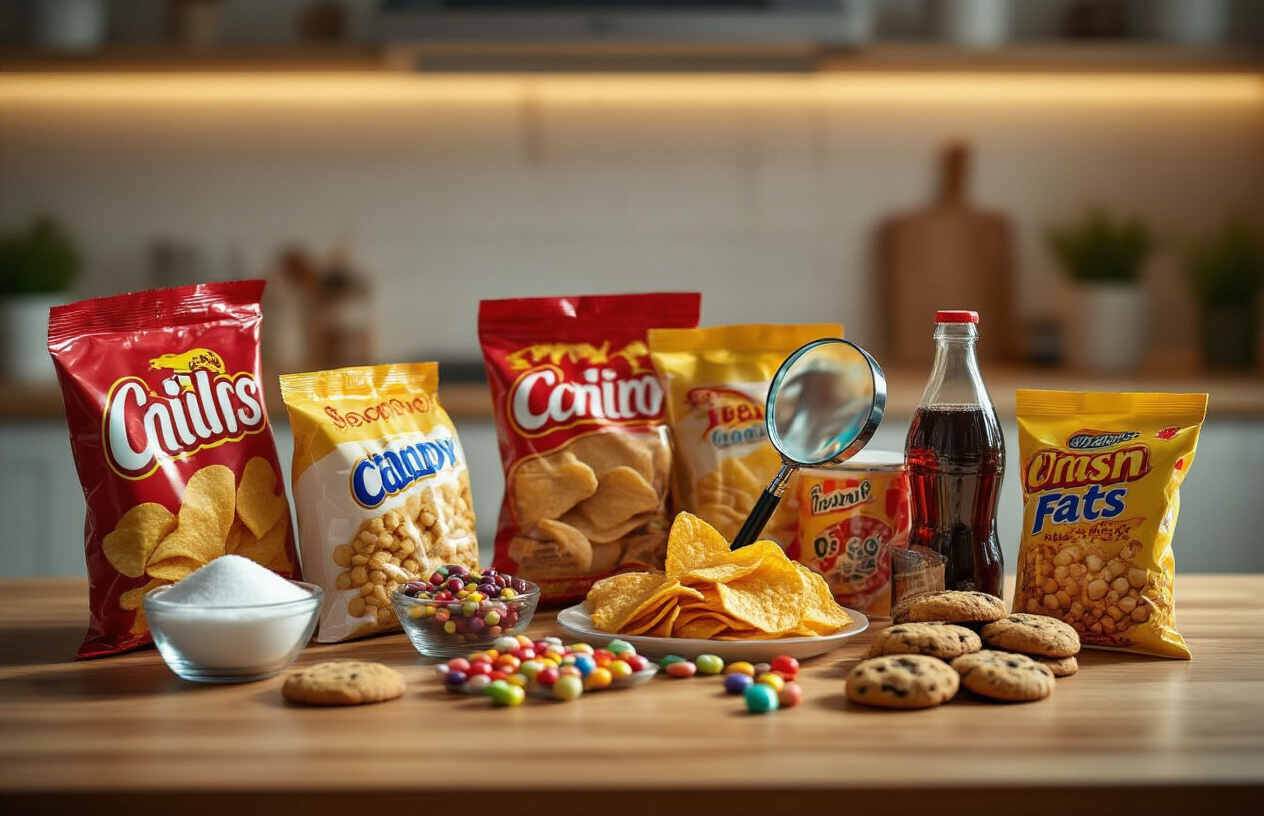
High fructose corn syrup (HFCS) has become one of the most concerning ingredients hiding in processed foods. Unlike regular sugar, HFCS bypasses your body’s natural appetite control system. When you eat foods containing HFCS, your brain doesn’t receive the usual signals that tell you to stop eating.
Regular sugar triggers leptin production, the hormone that makes you feel full. HFCS blocks this process, leaving you hungry even after consuming hundreds of calories. This creates a vicious cycle where you keep eating without feeling satisfied.
You’ll find HFCS in surprising places beyond obvious candy and sodas:
- Breakfast cereals and granola bars
- Salad dressings and condiments
- Bread and crackers
- Yogurt and flavored dairy products
- Frozen meals and pizza
- Sports drinks and energy bars
The food industry loves HFCS because it’s cheaper than sugar and has a longer shelf life. Your waistline pays the price through constant cravings and overeating.
Refined Carbohydrates Cause Blood Sugar Spikes and Crashes
Refined carbs strip away fiber and nutrients, leaving behind pure starch that your body converts to sugar rapidly. This creates dramatic blood sugar swings that trigger intense hunger and fat storage.
When you eat refined carbs, your blood sugar shoots up quickly. Your pancreas responds by flooding your system with insulin to bring sugar levels down. This insulin surge doesn’t just lower blood sugar—it often overcorrects, causing a crash that leaves you feeling tired, irritable, and desperately hungry.
Common refined carb culprits include:
| Food Type | Hidden Refined Carbs |
|---|---|
| Snack foods | Crackers, pretzels, chips |
| Breakfast items | White bagels, muffins, pastries |
| Convenience foods | Instant noodles, white rice dishes |
| Sweet treats | Cookies, cakes, donuts |
During the crash phase, your body craves quick energy, usually in the form of more refined carbs or sugar. This roller coaster keeps you trapped in a cycle of overeating and weight gain.
Artificial Additives Disrupt Natural Hunger Signals
Modern junk foods contain dozens of artificial additives designed to make you eat more. These chemicals interfere with your body’s natural ability to recognize when you’re full and satisfied.
Artificial flavors trick your brain into thinking you’re eating real food, but without the nutrients that would normally signal satiety. Your body keeps searching for the nutrition it expects, leading to overconsumption.
MSG and similar flavor enhancers amplify taste signals while disrupting hormones that control appetite. Studies show people eat significantly more food when these additives are present, even when they’re not particularly hungry.
Artificial colors and preservatives may seem harmless, but research suggests they can alter gut bacteria that influence hunger hormones. When your gut microbiome is disrupted, the communication between your digestive system and brain becomes faulty.
Food manufacturers also use texture modifiers and emulsifiers that change how quickly you eat. These additives create foods that practically dissolve in your mouth, bypassing the natural chewing process that helps trigger fullness signals. You end up consuming more calories before your brain realizes you’ve eaten anything substantial.
The combination of these additives creates what food scientists call “hyperpalatable” foods—products engineered to override your natural stop-eating mechanisms.
How Junk Food Affects Your Metabolism and Hunger Hormones
Processed foods slow down metabolic rate
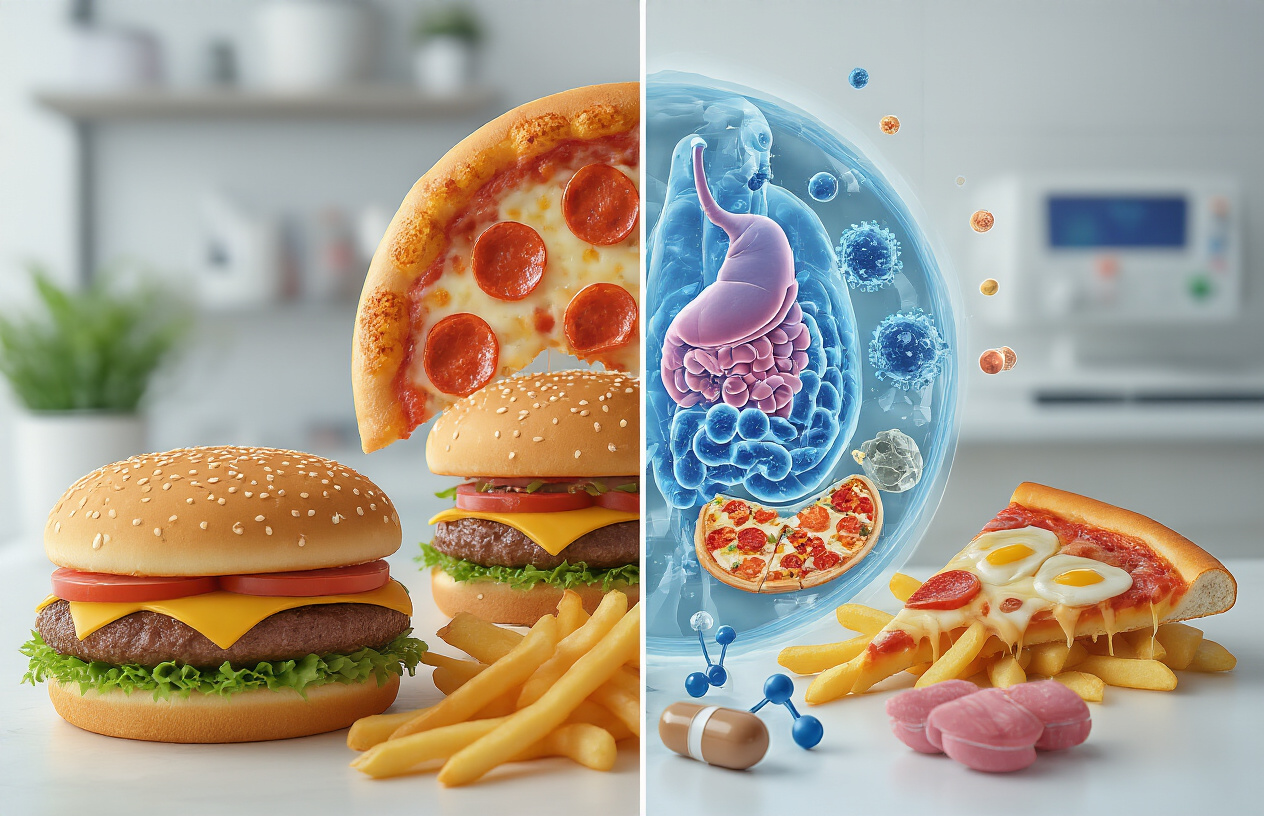
Your body burns more energy digesting whole foods compared to processed junk. When you eat an apple, your digestive system works harder to break down the fiber and nutrients, naturally boosting your metabolism. But when you grab a bag of chips or a candy bar, those ultra-processed ingredients require minimal energy to digest.
Studies show that people burn about 50% fewer calories processing refined foods versus whole foods. This means your metabolic rate actually drops when you regularly consume junk food. The artificial additives, preservatives, and refined sugars in processed snacks essentially put your metabolism into energy-saving mode.
Your body also starts storing more fat when it’s constantly fed processed foods. The combination of high sugar content and chemical additives disrupts your natural fat-burning processes, making weight loss increasingly difficult over time.
Leptin resistance prevents feeling full after eating
Leptin is your body’s “fullness hormone” that signals when you’ve had enough food. Junk foods high in fructose and processed fats interfere with leptin’s ability to communicate with your brain. This creates a vicious cycle where you keep eating because your brain never receives the “stop eating” signal.
Think about how easy it is to polish off an entire bag of cookies versus feeling stuffed after eating a large salad. That’s leptin resistance in action. Your brain literally can’t tell when you’re satisfied, so you continue eating far beyond your body’s actual needs.
Research shows that people who regularly eat junk food develop chronic leptin resistance, meaning their appetite control systems become permanently damaged. Even when switching to healthier foods, it can take months for leptin sensitivity to return to normal levels.
Ghrelin levels increase causing constant hunger
Ghrelin works as your body’s “hunger hormone,” telling you when it’s time to eat. Junk food consumption causes ghrelin levels to spike dramatically, creating intense cravings and constant feelings of hunger even shortly after eating.
The refined carbohydrates in processed foods cause rapid blood sugar spikes followed by crashes. When your blood sugar drops, ghrelin production increases, making you feel ravenous. This explains why you can eat a large fast-food meal and feel hungry again within two hours.
Artificial sweeteners found in diet sodas and sugar-free snacks actually make ghrelin problems worse. Your body expects calories when it tastes sweetness, and when those calories don’t arrive, ghrelin levels surge even higher, driving you to seek more food.
Insulin resistance promotes fat storage
Regular junk food consumption overwhelms your body’s insulin response system. When you constantly flood your bloodstream with sugar and refined carbs, your cells become less responsive to insulin’s signals. This means glucose stays in your blood longer instead of being used for energy.
Your body responds to excess blood glucose by converting it directly into fat, particularly around your midsection. Insulin resistance also makes it nearly impossible to burn stored fat for energy, trapping you in a cycle of weight gain.
The trans fats and excessive sodium in processed foods make insulin resistance worse by promoting inflammation throughout your body. This chronic inflammation interferes with insulin signaling, making your cells even more resistant to the hormone’s effects. Once insulin resistance develops, losing weight becomes significantly more challenging, even with calorie restriction and exercise.
The Psychological Impact of Junk Food on Eating Behaviors

Addictive properties lead to compulsive overeating
Junk foods trigger the brain’s reward system in ways that mirror addictive substances. When you bite into that sugary donut or salty chip, your brain releases dopamine, creating a powerful feel-good response. Food manufacturers know this and design products to hit what scientists call the “bliss point” – the perfect combination of sugar, salt, and fat that keeps you reaching for more.
The addictive cycle works like this: you eat junk food, your brain gets flooded with dopamine, and over time, you need more of these foods to get the same satisfaction. This leads to tolerance, where regular amounts no longer satisfy your cravings. Before you know it, you’re eating entire bags of chips or finishing off a whole sleeve of cookies without even realizing it.
Research shows that highly processed foods can actually rewire your brain’s hunger and satiety signals. The intense flavors and quick energy spikes create neurological pathways that make these foods irresistible. Your prefrontal cortex, responsible for decision-making and impulse control, gets hijacked by these reward signals, making it incredibly difficult to stop eating once you start.
Emotional eating patterns develop around processed foods
Junk foods become deeply intertwined with our emotional states, creating powerful associations that drive overeating. When stress hits, many people automatically reach for comfort foods like ice cream, pizza, or candy bars. These foods provide temporary relief from negative emotions, but they also establish dangerous eating patterns.
Processed foods are specifically engineered to provide instant gratification and stress relief. The combination of sugar and fat triggers the release of serotonin and other mood-regulating chemicals, making you feel temporarily better. Your brain remembers this response and starts craving these foods whenever you experience similar emotional states.
Common emotional triggers include:
- Work stress and deadlines
- Relationship conflicts
- Boredom and loneliness
- Anxiety and depression
- Celebrations and social gatherings
The problem deepens when these foods become your primary coping mechanism. Instead of dealing with underlying issues or developing healthy stress management techniques, you rely on junk food for emotional regulation. This creates a vicious cycle where negative emotions lead to overeating, which then creates guilt and shame, leading to more emotional eating.
Convenience factor replaces mindful eating habits
Modern junk foods are designed for speed and convenience, completely bypassing the natural eating experience that helps regulate consumption. When you grab a pre-packaged meal or drive through a fast-food restaurant, you miss all the sensory cues that signal satisfaction and fullness.
Mindful eating involves paying attention to flavors, textures, and your body’s hunger signals. It takes time to chew, taste, and appreciate food. Junk foods eliminate this process – they’re soft, easy to swallow quickly, and often consumed while distracted by screens or activities. You can polish off a bag of chips while watching TV without even registering how much you’ve eaten.
The convenience culture has trained us to eat on autopilot. We eat in cars, at desks, while scrolling phones, and during meetings. This distracted eating prevents your brain from recognizing when you’re full, leading to overconsumption. Your stomach sends fullness signals to your brain, but it takes about 20 minutes for these messages to register. Fast eating bypasses this natural brake system.
Packaged foods also disconnect us from portion awareness. Instead of serving appropriate amounts, we eat whatever comes in the package – whether that’s a single-serving bag or a family-size container that we finish alone. This packaging manipulation overrides our natural ability to gauge appropriate portions and contributes significantly to weight gain over time.
Proven Strategies to Avoid Junk Food Weight Gain
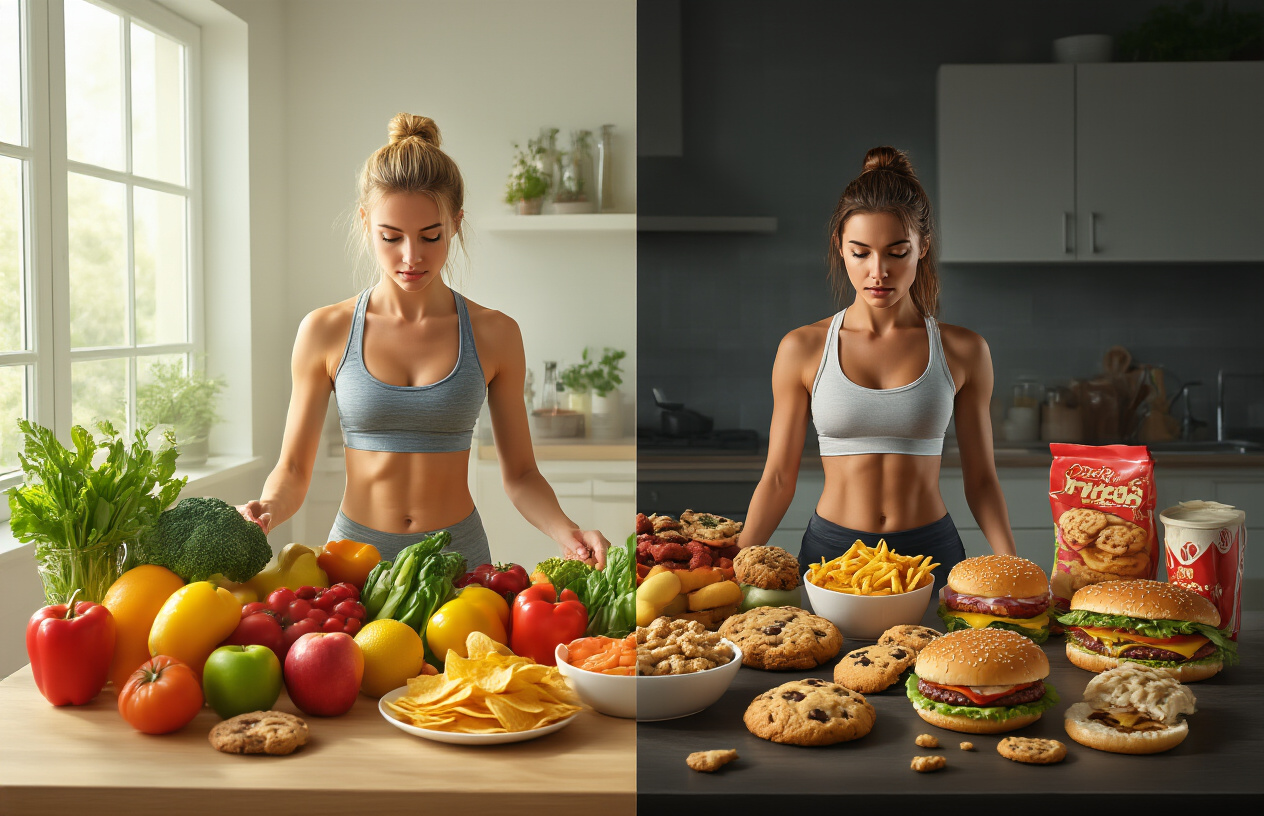
Smart meal planning prevents impulsive food choices
Having a solid meal plan is your best defense against junk food temptations. When you know exactly what you’re eating for breakfast, lunch, and dinner, you’re way less likely to grab that bag of chips or hit the drive-through. Start by dedicating 15-20 minutes each week to plan your meals and snacks. Make a grocery list based on your plan and stick to it when shopping.
Prep ingredients ahead of time – wash vegetables, cook grains in batches, and portion out snacks into containers. This makes healthy eating convenient when you’re hungry and pressed for time. Keep emergency meals ready in your freezer, like pre-made healthy soups or individually portioned lean proteins with vegetables. When hunger strikes, you’ll reach for these prepared options instead of processed junk.
Healthy substitutes satisfy cravings without excess calories
Your cravings don’t have to derail your weight goals when you have smart swaps ready. Craving something crunchy? Try air-popped popcorn, raw vegetables with hummus, or baked sweet potato chips instead of regular potato chips. Want something sweet? Frozen grapes, dark chocolate with 70% cocoa, or Greek yogurt with berries deliver satisfaction without the sugar crash.
| Junk Food Craving | Healthy Alternative | Calorie Savings |
|---|---|---|
| Potato chips (1 oz) | Air-popped popcorn (3 cups) | 60 calories |
| Ice cream (1/2 cup) | Frozen banana “nice cream” | 100+ calories |
| Candy bar | Dark chocolate square + almonds | 80-120 calories |
| Soda (12 oz) | Sparkling water with fruit | 140+ calories |
Keep these alternatives visible and easily accessible in your kitchen. The key is having them ready when cravings hit, because that’s when willpower is weakest.
Portion control techniques reduce calorie intake
You don’t have to completely eliminate all treats – controlling portions lets you enjoy occasional indulgences without sabotaging your weight. Use smaller plates and bowls to naturally reduce serving sizes. Your brain perceives a full smaller plate as more satisfying than a partially filled large plate.
Practice the “one bite rule” – take one bite of something you’re craving, then wait five minutes. Often, that single taste is enough to satisfy the craving. When you do eat junk food, portion it out in advance rather than eating straight from the package. Put a serving in a bowl and put the rest away.
Try the 80/20 approach: eat nutritious whole foods 80% of the time, allowing 20% for treats. This creates a sustainable balance that prevents feelings of deprivation while maintaining progress toward your weight goals.
Reading nutrition labels helps identify hidden weight-gaining ingredients
Nutrition labels reveal the truth about what you’re putting in your body. Focus on these key areas: serving size, calories per serving, added sugars, and ingredient list. Many packaged foods contain multiple servings, so multiply the calories by the number of servings you actually eat.
Watch for hidden sugars – they appear under names like high fructose corn syrup, cane juice, maltose, and dozens of other aliases. Foods with more than 10 grams of added sugar per serving can quickly add up to weight gain. Check the ingredient list too – ingredients are listed by weight, so if sugar appears in the first three ingredients, you’re looking at a sugar-heavy product.
Pay attention to serving sizes that seem unrealistically small. Who really eats just 1/4 cup of ice cream or 10 potato chips? Calculate what you’d actually consume to get an honest picture of the calories you’re taking in.
Building sustainable eating habits for long-term weight management
Sustainable change happens gradually through small, consistent actions rather than dramatic overhauls. Start by replacing one junk food item per week with a healthier option. This gentle approach prevents the all-or-nothing mentality that leads to diet failure.
Create new routines that support your goals. If you always grab a candy bar at 3 PM, replace it with a planned snack like apple slices with almond butter. Pack healthy snacks for work, keep cut vegetables visible in your fridge, and establish regular meal times to prevent extreme hunger that leads to poor choices.
Track your progress without obsessing over perfection. Notice patterns in when and why you reach for junk food – are you stressed, bored, tired, or actually hungry? Develop non-food responses to these triggers, like taking a walk, calling a friend, or drinking a glass of water first.
Build a support system of people who share your health goals. Having accountability partners makes it easier to stick with new habits when motivation dips. Celebrate small victories along the way – each healthy choice you make is building the foundation for lasting weight management.
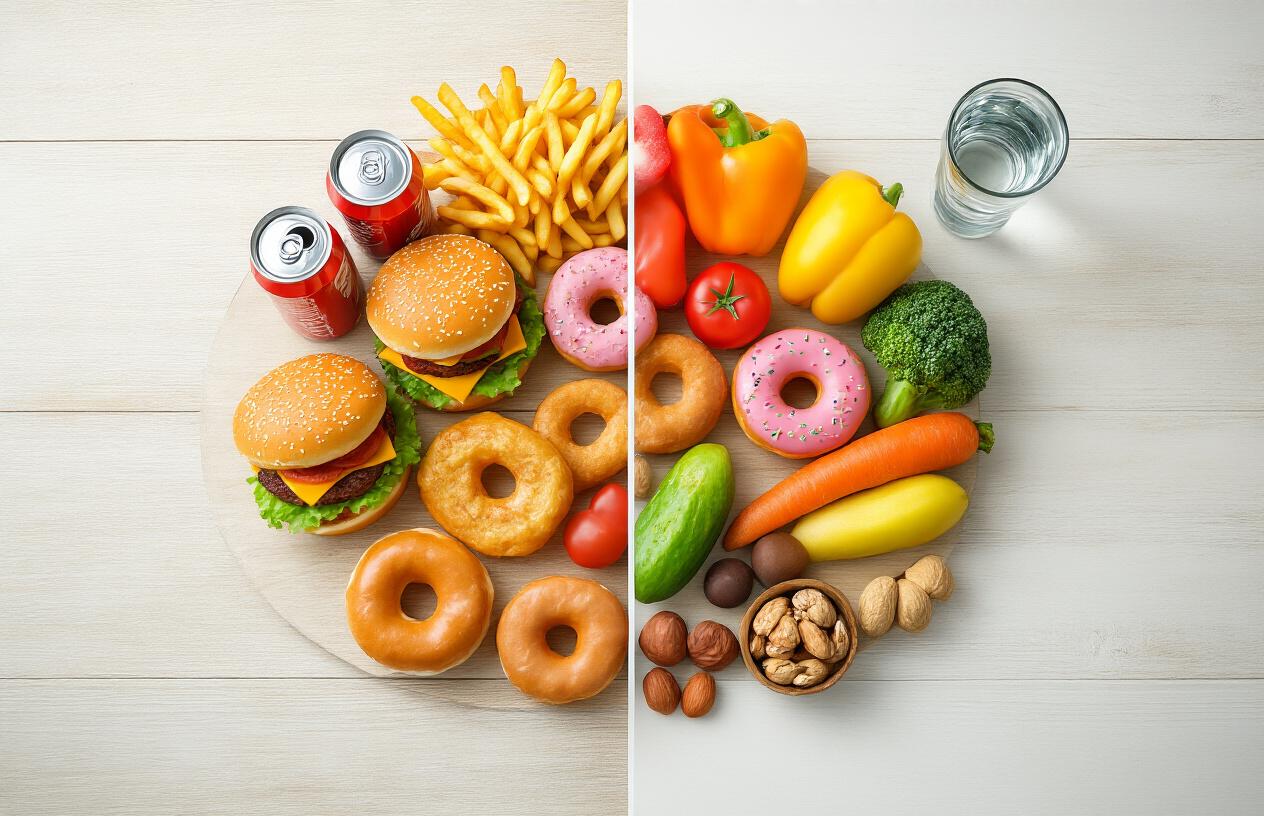
The connection between junk foods and weight gain is clear – these processed treats are packed with hidden calories, unhealthy fats, and sugars that slow down your metabolism and mess with your hunger signals. Your brain gets tricked into craving more, creating a cycle that’s hard to break. The good news is that understanding how junk food works against your body gives you the power to make smarter choices.
Breaking free from junk food doesn’t mean going cold turkey overnight. Start by reading labels, planning your meals ahead of time, and keeping healthier snacks within reach. Small changes like swapping chips for nuts or soda for water can make a huge difference over time. Your body will thank you, your energy levels will improve, and those stubborn pounds will start coming off naturally.