
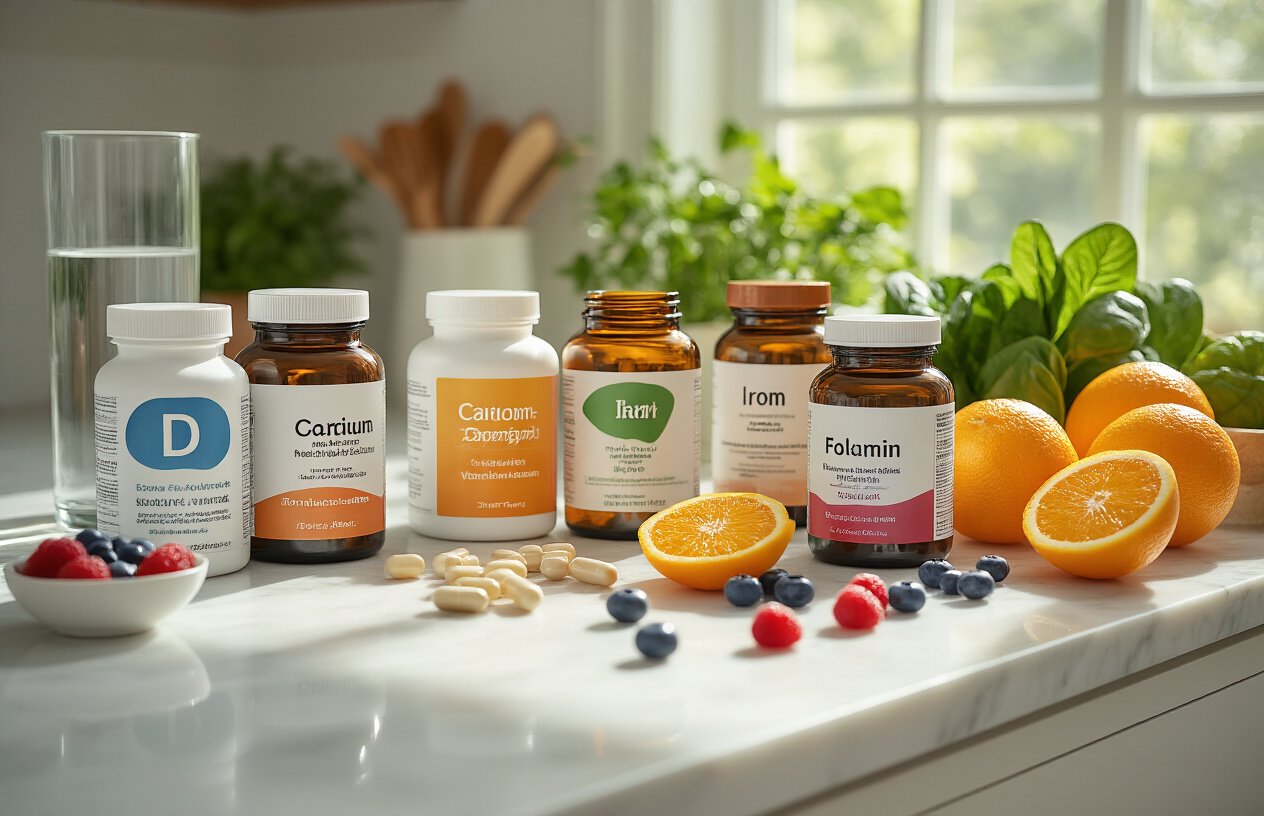
Women have different nutritional needs from men throughout their lives. From monthly cycles to pregnancy, menopause, & beyond, a woman’s body goes through incredible changes that require specific support. Eating a balanced diet can always be the foundation of good health but sometimes, our busy schedules and our biological needs make it difficult for us to rely solely on food.
This comprehensive guide will take you through the most important health supplements that will help women at every stage of life. We’ll look at which vitamins & minerals are key to a female health, when they are most needed & how to select quality supplements that work. Whether you are in your twenties juggling work and social life, are pregnant, or you are in your golden years, knowing these health supplements can be crucial for your overall being.
You’ll learn surprising facts about the common deficiencies that affect millions of women, the supplements that can recharge your batteries naturally, and the ones that work with everything from stronger bones to better mood. By the end of this article, you will be able to determine which supplements could be useful for your individual health case. Let’s delve into the world of women’s wellness and see how the right supplements can help the body perform its wonders.
Iron: The Energy Powerhouse for Women
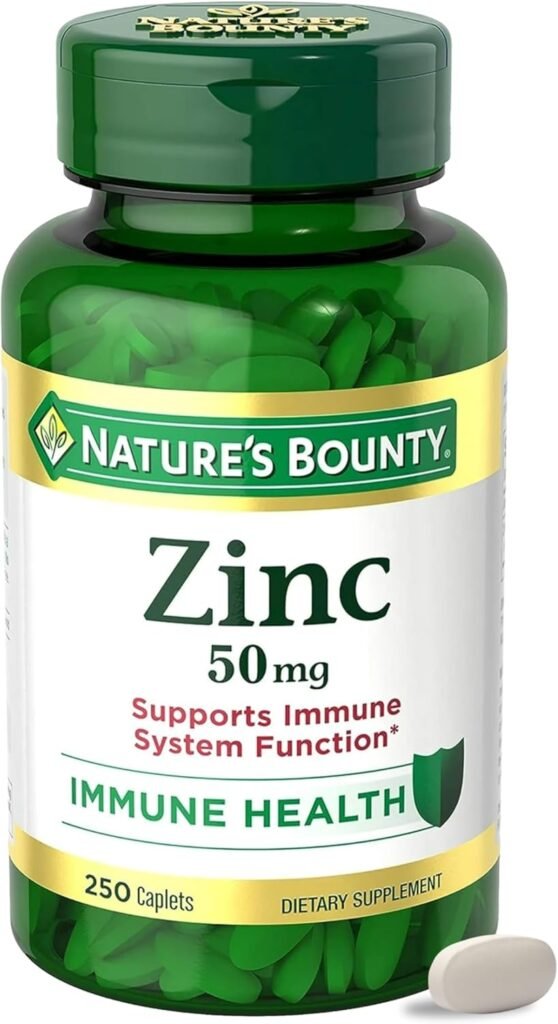
Iron deficiency is one of the most common nutritional problems affecting women worldwide, yet not many realize they are running low on this vital mineral. Women need almost twice as much iron as men because of monthly menstrual cycles, which cause considerable loss of the mineral over time. Women need almost twice as much iron as men because of the monthly menstrual cycles which lead to the loss of much iron over time.
The recommended amount of iron per day for women between 19 and 50 years is eighteen milligrams, a prescription whose figure jumps to 27 milligrams for pregnant women. Iron is the delivery truck that carries oxygen around the body, without adequate iron, cells will not get enough oxygen to function correctly. If you are iron-deficient, you will feel tired and exhausted, even after getting adequate sleep at night.
However, not all iron supplements are equally effective. Some forms can cause stomach upset or constipation while others are easier to absorb for the body. Notable they need to contain ferrous sulfate, ferrous gluconate, or ferrous fumarate because they are easily absorbed by the body. Taking your iron supplement with vitamin C can boost absorption significantly – try having it with orange juice or a vitamin C tablet.
Here’s something interesting, the body is quite smart in absorbing iron. When your stores are full, intestines naturally absorb less iron from food & supplements. The opposite is true when an individual is iron deficient, in which case the body upregulates iron absorption to restore homeostasis. That is why a person should be tested before taking iron supplements, as their excess can be just as dangerous as a deficiency.
Calcium & Vitamin D: The Dynamic Duo for Bone Health
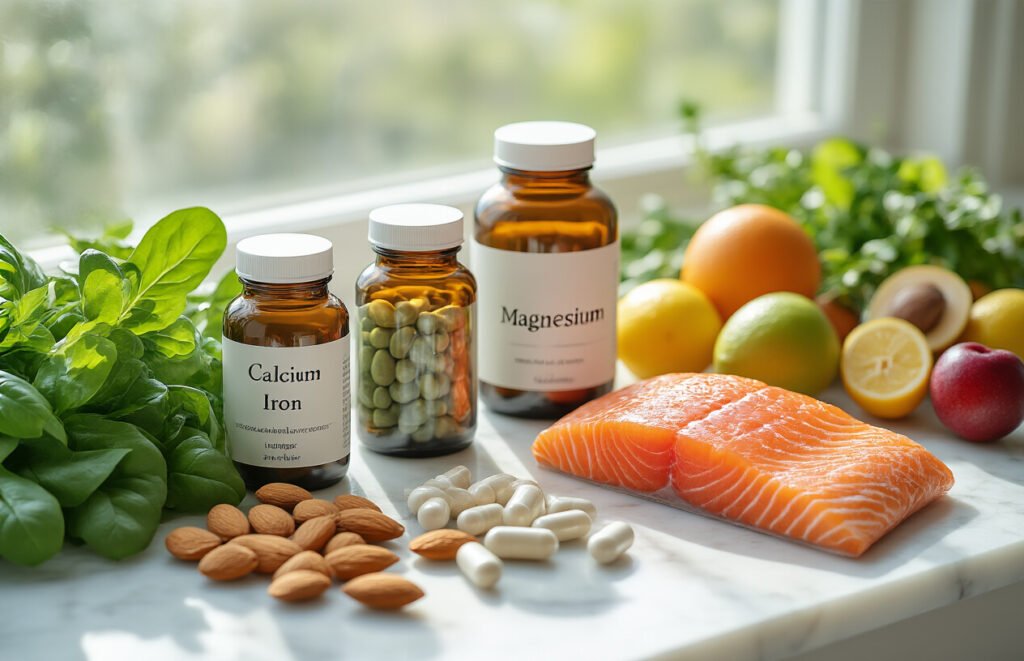
Your bones might seem solid and unchanging, but they are actually living tissues that are constantly broken down and re-built throughout your life. This processes requires adequate amounts of both calcium & vitamin D like best friends working together. Most women know the importance of calcium for their bones but not so for vitamin d because the body only manages to absorb between 10 and 15 % of the calcium one consumes without vitamin d.
Before age 50, women need to take 1,000 milligrams of calcium, and 1,200 milligrams after that. However, it may be hard to get enough of this from food alone, especially for people with lactose intolerance or those who don’t consume much dairy. Supplements can make up for the lack of calcium in the diet as dark leafy greens, sardines, & fortified plant milks are good sources. The most popular type of calcium supplements is calcium carbonate, which has the highest amount of elemental calcium per pill, whereas calcium citrate is easier to absorb and does not have to be ingested with food.
Vitamin D is often referred to as the “sunshine vitamin” due to its production in the skin following exposure to sunlight. Many women spend much of their time indoors or reside in regions with limited sun exposure, resulting in a significant deficiency. Research proves that Americans are deprived of up to 40% of vitamin D, which adversely affects not only the strengthening of bones but also the immune system and mood.
The magic happens when these two nutrients are combined. Vitamin D not only aids the intestines in absorbing calcium efficiently, but it also aids the kidneys in retaining calcium, which may otherwise be lost through urine. Without adequate vitamin D you could take all the calcium in the world & still develop weak bones. The vote becomes even more critical as women age & their estrogen levels fall since estrogen aids in protecting bone density.
Folate: Essential for Women of Childbearing Age

Folate or vitamin B9 deserves the special attention of every woman who has a slightest chance of conceiving in the future, even if pregnancy is not in her immediate plans. As a water-soluble vitamin, folate plays a critical role in DNA synthesis & cell division and is paramount in the early stages of pregnancy when the neural tube of the baby is formed. It is the neural tube which forms the brain and spinal cord and folate can prevent birth defects such as spina bifida.
Here’s the catch: neural tube development occurs within the first 28 days of pregnancy, and by that time, a woman might not even be aware that she is pregnant. This is why health experts recommend that all women of reproductive age take 400-800 micrograms of folate daily, regardless of their pregnancy plans. It is a precautionary measure to protect the health of a yet-to-be-born child.
But folate isn’t just about pregnancy – it’s key to all women’s health. This vitamin not only helps in the production of red blood cells, but also in preventing certain types of anemia. It is also a constituent in action of converting homocysteine, an amino acid, which damages blood vessels, when its levels reach critical limits. Some studies also link folate to cancer protection and maintenance of brain function in the elderly.
When buying supplements, one will come across labels of “folate” & “folic acid”. Folic acid refers to the synthetic form used in supplements and fortified products, whereas, folate is the natural form of the vitamin present in food items like leafy greens, citrus fruits, and beans. Due to genetic differences, some people find it difficult to convert folic acid into its activated form, and it proves beneficial for such people to take methylfolate supplements that are already activated and do not require any further activation for use.
Omega-3 Fatty Acids: Brain Food & Heart Protectors
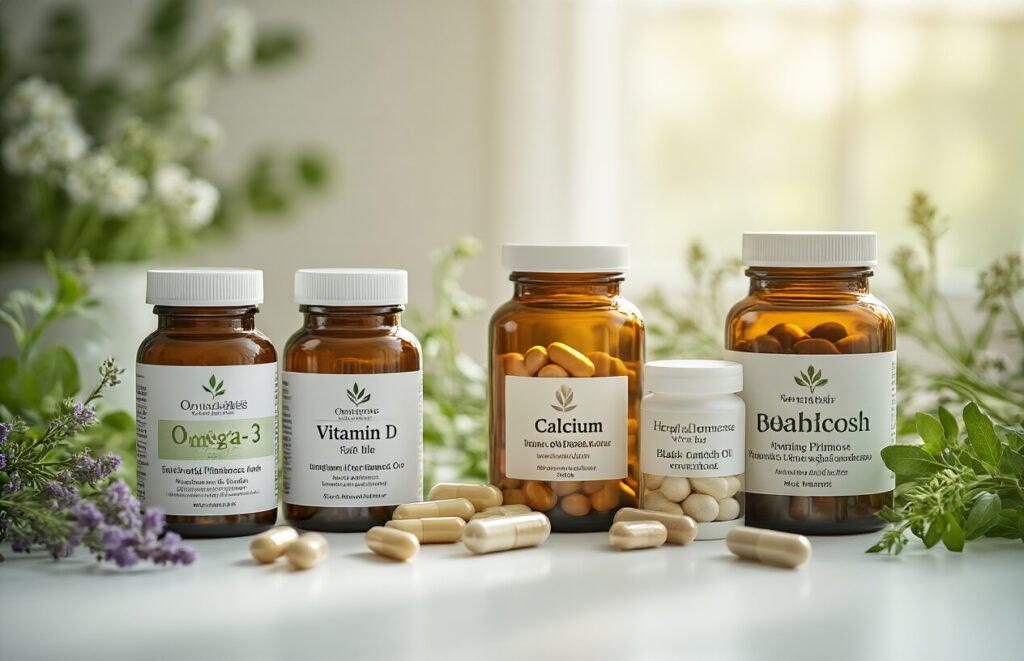
Omega-3 fatty acids are like premium fuel for your brain & heart, yet most women fall drastically short of these essential fats in their daily diet. These healthy fats are “essential” because the body can not make them on its own – they must be obtained from dietary intake or supplementation. There are three kinds of these fatty acids – EPA, DHA and ALA, out of which EPA and DPA are the most beneficial for human health.
Research shows that omega-3s can help reduce inflammation throughout the body, which is linked to numerous health conditions including heart disease, arthritis, & even depression. For women specifically, these fatty acids may also help reduce menstrual cramps, promote healthy pregnancy outcomes, and even improve symptoms of postpartum depression. Pregnant women who take enough omega-3s have kids with better cognitive development, according to some research.
Fatty fish are the best food rich in EPA & DHA and include salmon, mackerel, sardines, and tuna. However, many women do not eat fish regularly due to taste preferences, dietary restrictions, or concerns of mercury contamination. This is where supplements of fish oil are extremely useful. Supplements that provide at least 1,000 milligrams of combined EPA & DHA per day should be sought out.
For omega 3 supplementation quality is paramount because poorly processed fish oil can cause rancidity and end up doing more harm than good. Choose supplements that are third-party tested for purity and potency, and store them properly to ensure the freshness. If you follow a vegetarian or vegan diet, algae-based omega-3 supplements provide EPA & DHA without any fish products. Your brain will thank you for this investment in your long-term health.
Making Smart Supplement Choices: Quality & Safety First
With myriad supplement brands lining store shelves and flooding online marketplaces, it can be daunting to choose high-quality products. Supplement manufacturers are not subjected to the same level of scrutiny as pharmaceuticals, so quality may vary widely between different supplement brands, and even between batches manufactured under the same brand. Knowing how to discern quality supplements is vital for ensuring safety and efficacy.
Supplements that have undergone third-party testing by independent organizations such as NSF International, USP (United States Pharmacopeia), or ConsumerLab should be purchased. These independent testing companies verify that the supplements contain what they are labelled & identify any harmful contaminants such as heavy metals, bacteria, & pesticides. Supplement bottles that have met their stringent testing standards will usually display their logos or certification marks.
Another important skill that every woman needs to have is to read the labels on supplements carefully. It is important to understand the “Supplement Facts” panel which indicates the quantity of each ingredient in one serving, and to look at the ingredient list for any extra ingredients that might be included such as fillers, artificial colors and preservatives. Supplements that make outrageous health claims or promise miracle cures should be viewed with caution – legitimate supplements can only support health but are not magic bullets.
Timing & interactions are also important. Others require taking supplements together with food to avoid stomach upset. Some combinations can improve absorption, such as combining iron with vitamin C, but there are also substances that can contradict each other. Its important to inform the health care provider of any supplements being taken, especially if one takes prescribed drugs as some combinations can be fatal.
Your Journey to Better Health Starts Now
Taking charge of your health through smart supplementation is one of the most empowering decisions a woman can take. We have covered why iron is essential for restoring energy, why calcium and vitamin D are necessary for strengthening bones, why folate is essential for every woman regardless of age, and why Omega-3 fatty acids are necessary for brain and heart health in women. All these nutrients have their role to play in ensuring that your body functions at its optimum.
Supplements are meant to complement and not substitute a healthy lifestyle which includes eating nutritious foods, exercising regularly, getting enough sleep, and managing stress. Supplements are the supporting players of your wellness regime, not the lead replacement for healthy habits. It’s about filling in the gaps & giving your body a little boost when it really needs it.
Before embarking on any new supplement regimen, one might want to have blood tests done first to determine their current nutritional balance. This information is necessary to make decisions jointly with the attending physician about which vitamins and supplements are most important and in what quantities. Regular monitoring can also be used to track improvements and change supplementation plan as need changes over time.
Health is an investment that yields dividends for you long after your lifetime. Your health is an investment that will serve you well throughout your life. Choose one or two supplements that meet your most crucial health needs and then develop a gradual routine to complement your individual needs with supplements. The choices you make your supplements today will be appreciated by your future self.