
Women’s nutritional needs change throughout life, and the right health supplements for women can help fill gaps that diet alone might miss. This guide is designed for women of all ages who want to make informed decisions about their supplement routine.
We’ll explore the essential vitamins and minerals that support women’s unique health needs, from reproductive wellness to bone strength. You’ll also discover how hormone-supporting supplements can help during different life stages, whether you’re navigating your twenties, pregnancy, or menopause.
Finally, we’ll cover how to choose safe, high-quality supplements and provide age-specific recommendations to help you build a supplement plan that actually works for your body and lifestyle.
Essential Daily Vitamins Every Woman Needs
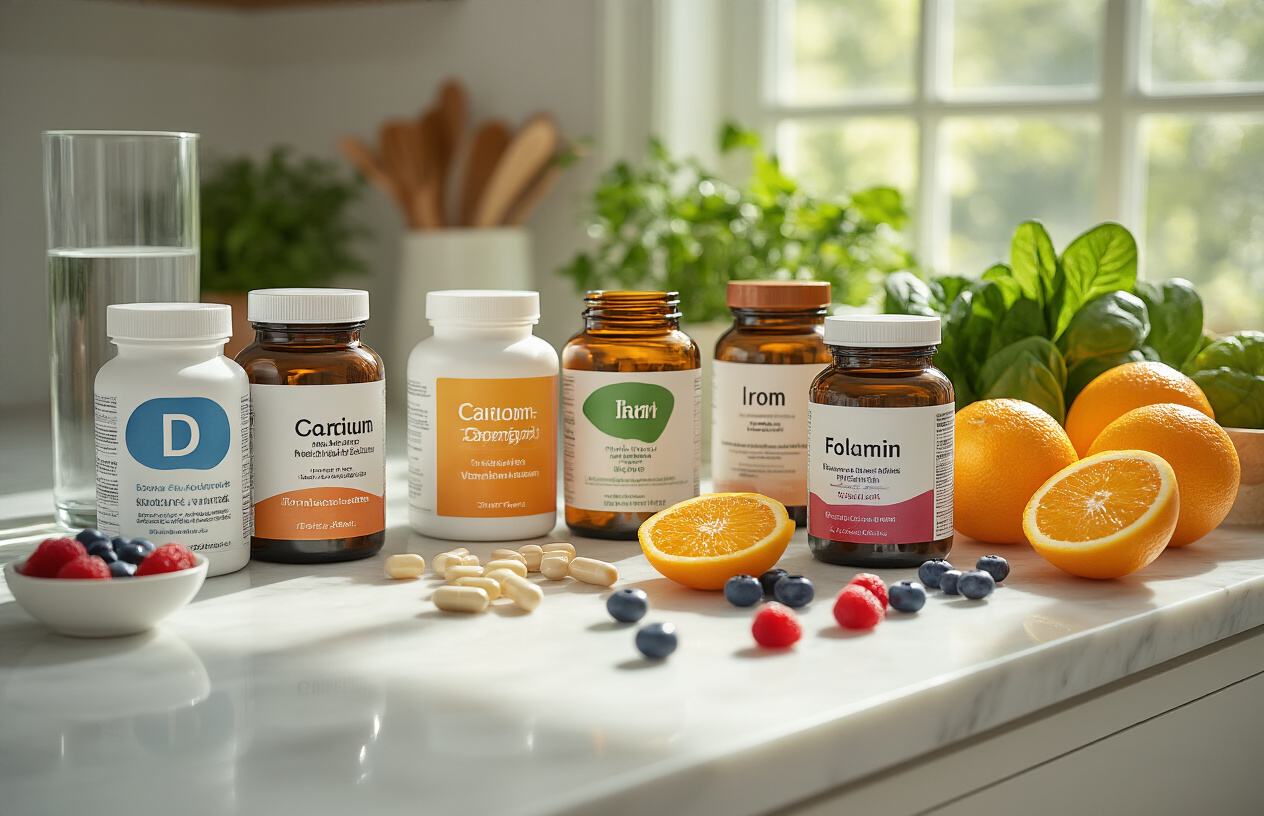
Vitamin D for Strong Bones and Immune Support
Women have special obstacles to sufficient vitamin D levels. Most people do not get enough exposure to the sun’s rays, particularly those who work indoors and live in the northern regions. This results in a deficiency that has detrimental effects on bone health and the immune system.
For instance, your body needs vitamin D to help it absorb calcium effectively. Your body needs vitamin D to help it absorb calcium properly, and without enough of this crucial vitamin, a diet rich in calcium will not be able to protect you against losing bone mass. Women are more prone to osteoporosis, so they need to supplement their vitamin D needs throughout their life. As for the recommended daily doses, they range from 1,000 to 4,000 IU, depending on the individual’s current vitamin D levels and sun exposure.
In addition to regulating bone health, vitamin D serves as a powerful modulator of the immune system. They reduce the likelihood of catching respiratory infections and improve mental health. Vitamin D supplementation also improves mood and energy in women.
The best option is to have your blood levels checked first. The optimal levels should be 30-50 ng/mL. Vitamin D 3 (cholecalciferol) is preferred to vitamin D 2 since it raises blood levels more rapidly and counteracts deficiency in the long term.
B-Complex Vitamins for Energy and Metabolism
B vitamins work as a team to convert food into energy, support nervous system function, and maintain healthy hair, skin, and nails. Women tend to suffer B vitamin deficiencies when under stress, when using birth control pills, during pregnancy, or when on restrictive diets.
The B-complex family incorporates eight necessary vitamins with a respective aptitude:
B1 (Thiamine) – Converts carbohydrates into energy
B2 (Riboflavin) –Aids energy production from cells
B3 (Niacin)- Keeps the skin healthy and nervous system intact
B5 (Pantothenic Acid) – Helps in the production of stress hormones
B6 (Pyridoxine) – Controls mood swings and hormones.
B7 (Biotin) – Enhances hair and nail growth
B9 (Folate)- important in DNA synthesis and cell division
B12 (Cobalamin) – Maintains nerve functions and red blood cells’ formation.
Women observing vegetarian or vegan diets require special attention to vitamin B12, as it is mainly present in animal products. Fatigue, brain fog, and mood swings usually undergo significant changes for the better once the proper B vitamin supplement is administered. B vitamins should be taken in the morning with food to aid absorption and reduce any stomach irritation.
Vitamin C for Antioxidant Protection
Since the body cannot produce or store vitamin C, its daily consumption is essential for the body to function optimally. Its powerful antioxidant properties help to protect the cells from damage by free radicals, support the production of collagen, and amplify immune function.
Women need vitamin C for skin health, wound healing and absorption of iron. They also need vitamin C for skin health, wound healing, and in case a woman has menorrhagia, vitamin C will help the body efficaciously absorb iron from plant sources of food to prevent iron deficiency anemia.
The recommended daily amount is 75 mg for women, though many experts recommend higher doses for overall health benefits. Smokers and women under chronic stress or exposed to pollution require 500-1,000 mg daily.
Natural food sources are citrus fruits, berries, bell peppers, and leafy greens. However, vitamin C is a heat, light, and air sensitive substance, and fresh fruits and vegetables lose potency fast. Supplementation of vitamin C guarantees constant intake, more so during winter when the quality of fresh fruits and vegetable can diminish.
If your stomach is sensitive, opt for buffered vitamin C or calcium ascorbate. These forms of vitamins are not only gentler on the stomach than ascorbic acid but also less likely to cause digestive upset.
Folate for Reproductive Health
Folate is one of the most critical vitamins for women of reproductive age. This B vitamin prevents serious birth defects of the brain and spine, and therefore, adequate intake is necessary even before conception takes place.
Folate is often not recommended to many women until they are already pregnant. Since neural tube development occurs within the first few weeks of pregnancy, long before women even realize that they are pregnant, therefore maintaining adequate levels is required in all women that may possibly be pregnant.
The synthetic form, folic acid, is present in most supplements and fortified food. However, some women are born with gene mutations which hinder the conversion of folic acid to its active form. These women benefit from taking methylfolate, which is the bioactive form and does not require conversion.
The functions of folate, beyond its role in pregnancy, include supporting the synthesis of red blood cells, DNA, and potentially lowering the risk of some cancer diseases. Folate levels are also low for women on birth control pills, those who consume alcohol, and those on restrictive diets.
Daily dosage for most female is 400-800 mcg, which rises up to 600-800 mcg during pregnancy. Dark leafy greens, legumes, and fortified grains are natural sources, but supplementation ensures adequate intake for reproductive health.
Critical Minerals for Women’s Optimal Health
Iron for Preventing Anemia and Fatigue
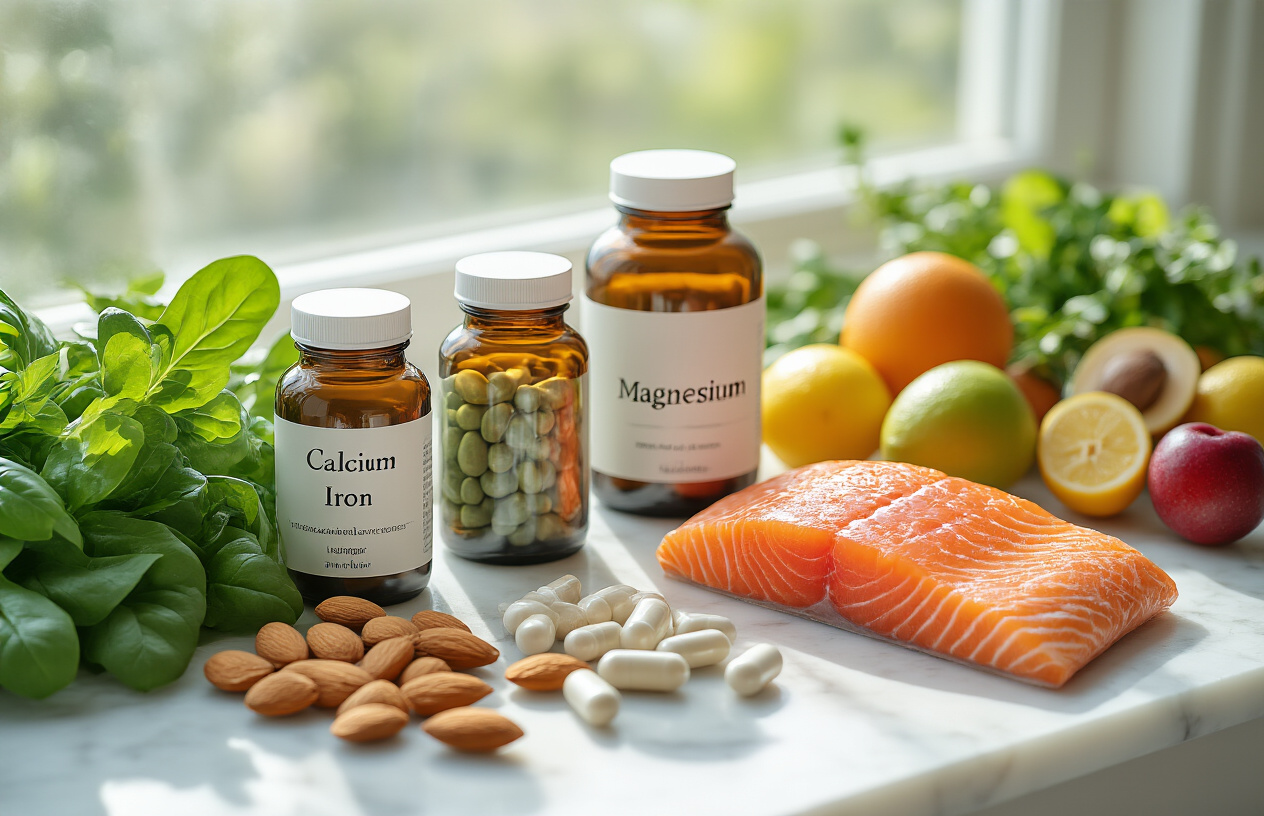
Women require almost double iron compared to men, making it one of the most critical minerals concerning a woman’s health. There is a constant loss of iron (Fe) due to the monthly menstrual cycle, plus there is the increased need for Fe during pregnancy and breastfeeding. A lack of iron in the body results in a shortage of healthy and viable red blood cells, resulting in iron-deficiency anemia.
Symptoms of iron deficiency appear gradually; There is persistent tiredness, weakness, and suffocation during the activity is experienced. Cold hands and feet, brittle nails, cravings for ice or starch, and restless leg syndrome are also symptoms of iron deficiency. Many women write off these signs as just another day in stressful life or effect of busy lifestyle and this should not be the case.
Daily Iron Requirements:
- Women 19-50 years: 18mg
- Women over 50: 8mg
- Pregnant women: 27mg
- Breastfeeding women: 9mg
Heme iron from animal sources (red meat, poultry, fish) absorbs more easily than non-heme iron from plant sources (spinach, beans, fortified cereals). Vitamin C enhances iron absorption, so pair iron-rich foods with citrus fruits, bell peppers, or strawberries. Avoid taking iron supplements with calcium, coffee, or tea, as these can block absorption.
Calcium for Bone Density and Heart Function
Calcium builds and maintains strong bones throughout life, but its importance extends far beyond skeletal health. Your heart, muscles, and nervous system all depend on calcium to function properly. Women face unique calcium challenges due to hormonal changes, especially during menopause when estrogen decline accelerates bone loss.
Peak bone mass typically occurs around age 30, making calcium intake during younger years crucial for long-term bone health. After menopause, women can lose up to 20% of their bone density within five to seven years. This rapid decline increases fracture risk and can lead to osteoporosis.
Calcium Requirements by Age:
- Women 19-50 years: 1,000mg daily
- Women over 50: 1,200mg daily
Beyond bones, calcium helps blood vessels contract and relax, supporting healthy blood pressure. It also enables proper muscle contractions and nerve signal transmission. Low calcium levels can cause muscle cramps, numbness in fingers and toes, and irregular heart rhythms.
The best calcium sources include dairy products, leafy greens, sardines with bones, and fortified plant-based milks. Your body absorbs calcium best in doses of 500mg or less, so spread intake throughout the day. Vitamin D significantly improves calcium absorption, making this partnership essential for bone health.
Magnesium for Muscle and Nerve Support
Magnesium participates in over 300 enzymatic reactions in your body, making it essential for energy production, protein synthesis, and blood glucose control. Women often fall short of magnesium requirements, with studies showing up to 75% of adults don’t meet recommended daily amounts.
This mighty mineral supports muscle and nerve function in remarkable ways. Magnesium helps muscles contract and relax properly, preventing cramps and spasms that many women experience, especially during menstruation. It also calms the nervous system, potentially reducing anxiety and improving sleep quality.
Signs of Magnesium Deficiency:
- Muscle cramps or spasms
- Fatigue and weakness
- Irregular heartbeat
- Headaches or migraines
- Difficulty sleeping
- Mood changes or anxiety
Women need 310-320mg of magnesium daily, with pregnant women requiring slightly more (350-360mg). Food sources include dark leafy greens, nuts, seeds, whole grains, and dark chocolate. Almonds, spinach, and pumpkin seeds are particularly rich sources.
Magnesium also supports bone health by helping convert vitamin D into its active form and regulating calcium levels. It plays a role in blood sugar control and may help reduce PMS symptoms. Some women find magnesium supplements helpful for menstrual cramps and migraine prevention, though you should consult healthcare providers before starting any supplement regimen.
Modern food processing and soil depletion have reduced magnesium content in many foods, making supplementation worth considering for women not meeting requirements through diet alone.
Hormone-Supporting Supplements for Different Life Stages
Omega-3 Fatty Acids for PMS Relief
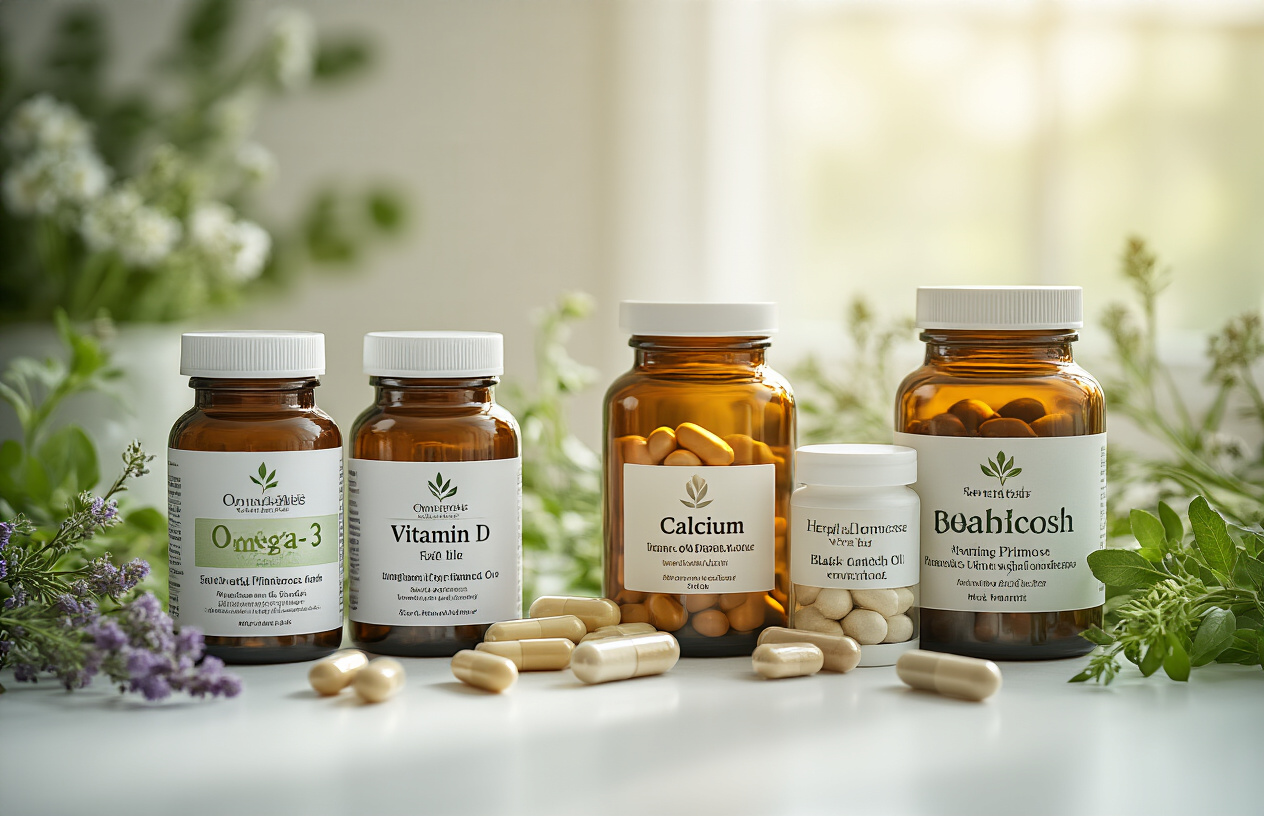
Omega-3 fatty acids work like a gentle inflammation fighter in your body, making them incredibly effective for managing PMS symptoms. These healthy fats, particularly EPA and DHA found in fish oil, help reduce the inflammatory compounds that contribute to cramping, bloating, and mood swings during your menstrual cycle.
Research shows that women who take 1-2 grams of omega-3s daily experience significant improvements in period pain, breast tenderness, and emotional symptoms. The anti-inflammatory properties help calm the prostaglandins that trigger intense cramps, while the brain-supporting effects stabilize mood fluctuations.
You can get omega-3s from fatty fish like salmon and sardines, but supplements offer a more consistent dose. Look for molecularly distilled fish oil or algae-based alternatives if you’re vegetarian. Taking omega-3s with meals improves absorption and reduces any fishy aftertaste.
Evening Primrose Oil for Menstrual Balance
Evening primrose oil contains gamma-linolenic acid (GLA), a special omega-6 fatty acid that your body converts into hormone-like compounds called prostaglandins. These compounds play a crucial role in regulating your menstrual cycle and managing uncomfortable symptoms.
Many women find evening primrose oil particularly helpful for breast tenderness, irregular cycles, and hormonal acne. The GLA helps balance the ratio of good to bad prostaglandins, potentially reducing inflammation and supporting smoother hormonal transitions throughout your cycle.
The typical dosage ranges from 500-1500mg daily, and you’ll want to take it consistently for at least three months to see the full benefits. Some women prefer taking higher doses during the second half of their cycle when PMS symptoms typically appear. Quality matters here – cold-pressed oil in dark capsules preserves the delicate fatty acids best.
Black Cohosh for Menopause Symptoms
Black cohosh has earned its reputation as nature’s answer to hot flashes and other menopause symptoms. This North American herb contains compounds that may influence estrogen receptors, helping to ease the hormonal roller coaster of menopause without adding actual hormones to your system.
Clinical studies show black cohosh can reduce hot flash frequency and intensity by up to 50% in some women. It may also help with night sweats, mood changes, and sleep disturbances that often accompany menopause. The herb works gradually, so you might notice improvements after 4-8 weeks of consistent use.
Most research supports taking 40-80mg of standardized extract daily. Black cohosh appears safe for most women, but you should avoid it if you have liver problems or take certain medications. Start with a lower dose to see how your body responds, and consider working with a healthcare provider familiar with botanical medicine.
Probiotics for Hormonal Health
Your gut bacteria play a surprisingly important role in hormone metabolism and balance. Certain probiotic strains help break down and eliminate excess hormones, particularly estrogen, preventing them from recirculating in your system and causing problems like estrogen dominance.
A healthy gut microbiome also produces compounds that support neurotransmitter production, including serotonin and GABA, which directly impact mood and stress response. When your gut bacteria are out of balance, you might experience more severe PMS, irregular periods, or mood swings related to hormonal changes.
Look for multi-strain probiotics containing Lactobacillus and Bifidobacterium species, particularly L. reuteri and L. fermentum, which show promise for hormonal health. Aim for at least 10-50 billion CFUs daily, and consider rotating different probiotic formulas every few months to maintain microbial diversity.
Adaptogenic Herbs for Stress Management
Adaptogens are herbs that help your body handle stress more effectively, which is crucial for hormonal balance since chronic stress disrupts everything from your menstrual cycle to your sleep patterns. These herbs work by supporting your adrenal glands and helping regulate cortisol levels.
Ashwagandha stands out as one of the most researched adaptogens for women’s hormonal health. It can help reduce cortisol levels, improve sleep quality, and may even support thyroid function. Rhodiola offers energy and mental clarity without the jitters, while holy basil helps with both stress and blood sugar balance.
Maca root deserves special mention for its hormone-balancing properties. This Peruvian root doesn’t contain hormones itself but seems to help your body produce and balance its own hormones more effectively. Many women report improved energy, mood, and menstrual regularity with consistent maca use.
Start with one adaptogen at a time and give it at least 6-8 weeks to work. These herbs build their effects gradually, and taking multiple adaptogens together can be more effective than using them individually once you know how your body responds.
Age-Specific Supplement Recommendations

Reproductive Years Nutritional Priorities
Women in their reproductive years (typically 18-40) have unique nutritional demands that support menstrual health, fertility, and overall vitality. Iron stands as the most critical supplement during this phase, as monthly menstruation creates ongoing iron loss. Women need 18mg daily compared to men’s 8mg requirement. Iron deficiency affects nearly 20% of reproductive-age women, leading to fatigue, poor concentration, and compromised immune function.
Folate becomes essential well before conception, with 400-800mcg daily recommended for all women of childbearing potential. This B-vitamin prevents neural tube defects and supports healthy DNA synthesis. Since many pregnancies are unplanned, maintaining adequate folate levels protects against birth defects from the earliest stages of fetal development.
Calcium needs remain high at 1,000mg daily to support bone density peak, which typically occurs around age 30. Pairing calcium with vitamin D (1,000-2,000 IU) ensures optimal absorption. Omega-3 fatty acids, particularly DHA and EPA, support hormonal balance and may reduce menstrual cramping while promoting heart and brain health.
B-complex vitamins deserve special attention during reproductive years. B6 can alleviate PMS symptoms, while B12 supports energy metabolism and neurological function. Women following plant-based diets should prioritize B12 supplementation, as deficiency can impact fertility and pregnancy outcomes.
Pregnancy and Breastfeeding Requirements
Pregnancy dramatically increases nutritional demands, making targeted supplementation essential for maternal and fetal health. Prenatal vitamins serve as nutritional insurance, but specific nutrients require careful attention to dosing and timing.
Folic acid requirements jump to 600-800mcg daily during pregnancy, with some high-risk women needing up to 4,000mcg. This dramatic increase supports rapid cell division and DNA synthesis occurring during fetal development. Starting supplementation before conception provides maximum protection against neural tube defects.
Iron needs skyrocket to 27mg daily during pregnancy – a 50% increase from pre-pregnancy requirements. The body’s blood volume expands by 40-50%, and the developing baby draws iron stores for their own development. Iron deficiency anemia during pregnancy increases risks of preterm birth, low birth weight, and maternal fatigue.
| Nutrient | Pre-Pregnancy | Pregnancy | Breastfeeding |
|---|---|---|---|
| Iron | 18mg | 27mg | 9mg |
| Calcium | 1,000mg | 1,000mg | 1,000mg |
| Vitamin D | 600-1,000 IU | 1,000-2,000 IU | 1,000-2,000 IU |
| Omega-3 DHA | 200mg | 300mg | 300mg |
Calcium absorption increases during pregnancy, but maintaining 1,000mg daily supports the baby’s bone development without depleting maternal stores. Vitamin D works synergistically with calcium and supports immune function for both mother and baby.
DHA omega-3 fatty acids become crucial for fetal brain and eye development. Pregnant women should aim for 300mg daily, preferably from algae-based sources to avoid mercury concerns. Choline, often overlooked, supports brain development and may reduce risk of neural tube defects. Aim for 450mg during pregnancy and 550mg while breastfeeding.
Perimenopause and Menopause Support
Hormonal fluctuations during perimenopause and menopause create new nutritional challenges requiring targeted supplement strategies. Declining estrogen affects bone density, cardiovascular health, and metabolic function, making this life stage particularly important for proactive supplementation.
Calcium requirements increase to 1,200mg daily after age 50 as estrogen decline accelerates bone loss. Vitamin D becomes even more critical, with many experts recommending 1,000-2,000 IU daily to support calcium absorption and immune function. Vitamin K2 works alongside calcium and D to direct calcium into bones rather than soft tissues.
Magnesium deserves special attention during menopause, as it supports over 300 enzymatic reactions and may help with sleep disturbances, muscle tension, and mood changes common during this transition. Aim for 320mg daily from supplements plus dietary sources.
Black cohosh shows promise for reducing hot flashes and night sweats, with studies supporting 20-40mg daily of standardized extracts. Red clover isoflavones may provide gentle phytoestrogen support, though effects vary among individuals. Evening primrose oil (1,000-2,000mg daily) contains gamma-linolenic acid that may help balance hormones and support skin health.
Omega-3 fatty acids become particularly important for cardiovascular protection as heart disease risk increases post-menopause. EPA and DHA support healthy inflammation response and may help with mood stability during hormonal transitions.
Adaptogenic herbs like ashwagandha (300-500mg daily) may help manage stress and support adrenal function during this demanding life transition. Always consult healthcare providers before adding herbal supplements, especially when taking medications or managing chronic conditions.
Choosing High-Quality Supplements Safely
Third-Party Testing and Certification Standards
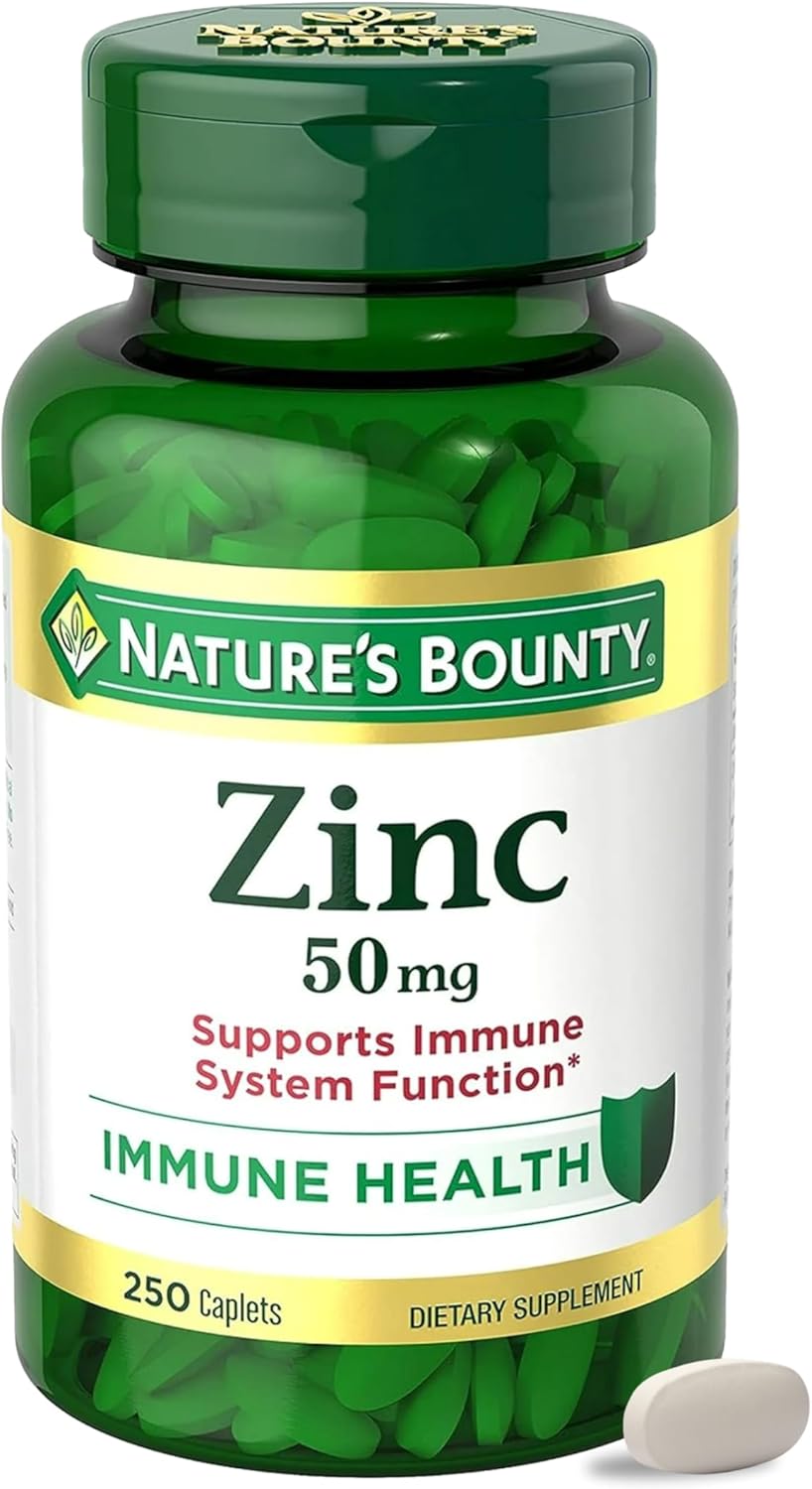
Reliable supplement companies submit their products to independent laboratories for rigorous testing. Look for certifications from organizations like NSF International, USP (United States Pharmacopeia), or ConsumerLab. These third-party validators check for potency, purity, and contamination from heavy metals, pesticides, and harmful bacteria.
The NSF certification requires manufacturers to undergo facility inspections and random product testing throughout the year. USP verification means the supplement contains the ingredients listed on the label in the declared potency and amounts. These certifications appear as small logos on product labels – always check for them before purchasing.
Many companies claim their products are “tested for quality,” but this often means internal testing only. Independent verification provides unbiased confirmation that what’s on the label matches what’s in the bottle. Without third-party testing, you’re essentially trusting the manufacturer’s word about their product quality.
Avoiding Harmful Additives and Fillers
Scan ingredient lists carefully for unnecessary additives that can trigger allergies or health issues. Common problematic fillers include titanium dioxide, artificial colors (especially Red Dye 40 and Yellow 6), and magnesium stearate in large quantities.
Avoid supplements containing:
- Artificial sweeteners like aspartame or sucralose
- Hydrogenated oils or trans fats
- Excessive amounts of silicon dioxide
- Carrageenan, which can cause digestive inflammation
- Unnecessary preservatives like BHA or BHT
Clean supplements typically use minimal, recognizable ingredients. Natural fillers like rice flour or cellulose are generally safe options. Some companies specifically market “clean label” products with no artificial additives – these are often worth the extra cost for sensitive individuals.
Proper Dosage Guidelines for Maximum Benefits
Start with the lowest recommended dose and gradually increase if needed. Your body needs time to adjust to new supplements, and taking too much initially can cause digestive upset or other side effects.
Follow these dosage principles:
| Supplement Type | Best Timing | Key Considerations |
|---|---|---|
| Fat-soluble vitamins (A,D,E,K) | With meals containing fat | Can accumulate in body tissues |
| B-complex vitamins | Morning with food | Can be energizing |
| Iron | Empty stomach or with vitamin C | Avoid with calcium or tea |
| Magnesium | Evening | Can promote relaxation |
Read labels carefully – some supplements list daily values as multiple capsules or servings. Taking the entire bottle’s worth in one sitting won’t provide better results and may cause toxicity. Women’s multivitamins often provide 100% of daily values, so additional single-nutrient supplements should be taken cautiously to avoid exceeding safe upper limits.
Split larger doses throughout the day when possible, as your body can only absorb limited amounts of certain nutrients at one time. Water-soluble vitamins like vitamin C are excreted quickly, making divided doses more effective than single large amounts.
Every woman’s body has unique needs that change throughout her life, and the right supplements can make a real difference in how you feel day to day. From basic vitamins like D3 and B12 to minerals like iron and calcium, these nutrients fill the gaps that even a healthy diet might miss. Hormone-supporting supplements become especially important during times like pregnancy, menopause, or when dealing with monthly cycle challenges.
The key is knowing what to look for and when to adjust your routine as you age. Don’t just grab any bottle off the shelf – check for third-party testing, read labels carefully, and talk with your healthcare provider about what makes sense for your specific situation. Your body deserves quality supplements that actually work, not marketing hype that empties your wallet.