
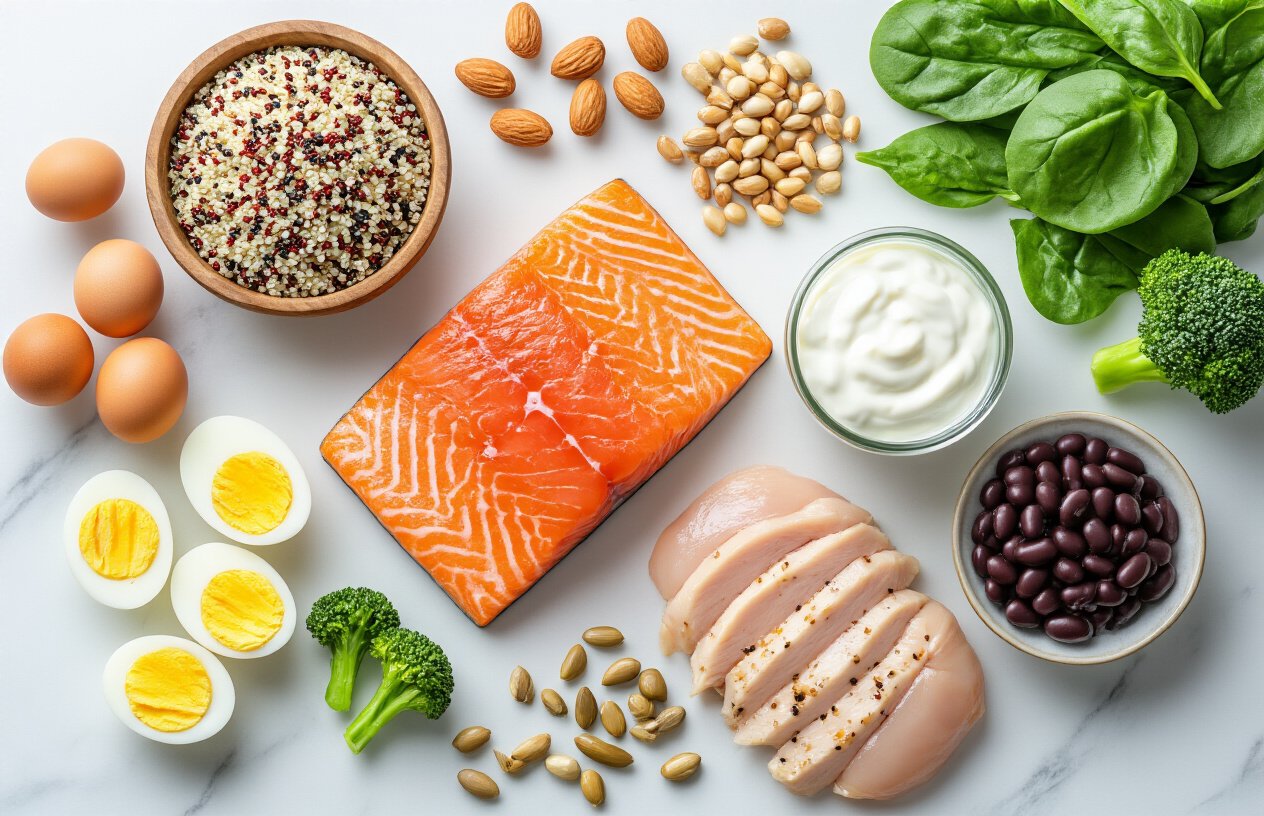
Have you ever wondered why your grandparents seemed healthier despite having less access to modern medicine? The SECRET lies in their natural eating habits! In a world filled with processed foods, artificial additives, & countless diet fads, returning to nature’s bounty might be the KEY to unlocking optimal health. Our ancestors didn’t count calories or read ingredient labels – they simply ate what the earth provided.
This comprehensive guide will explore the most POWERFUL natural diets that have stood the test of time & scientific scrutiny. We’ll dive deep into eating patterns that don’t just help you lose weight, but actually heal your body from the inside out. From the sun-soaked Mediterranean coastlines to the pristine wilderness where our hunter-gatherer ancestors thrived, we’ll uncover the dietary secrets that can revolutionize your health.
What makes a diet truly “natural”? It’s about consuming foods in their most unprocessed state, the way Mother Nature intended. These diets focus on whole foods, seasonal eating, & traditional preparation methods that preserve nutrients. Throughout this article, we’ll examine five remarkable natural diets, each with unique benefits & time-tested results. You’ll discover practical tips for incorporating these approaches into your modern lifestyle, regardless of your current eating habits or health goals.
The Mediterranean Diet: A Lifestyle from Paradise
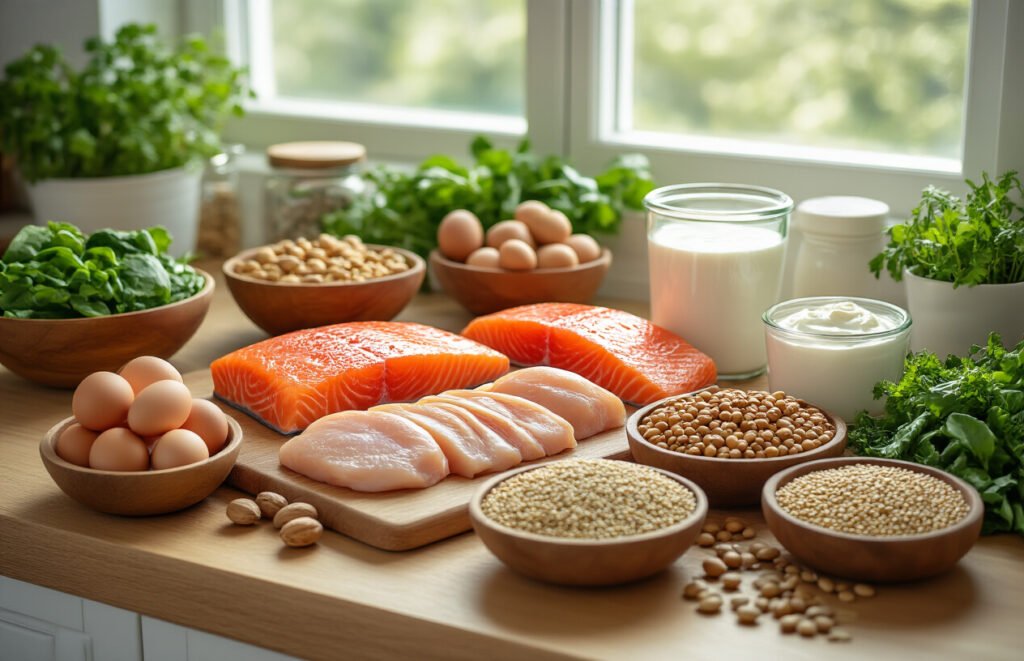
Picture yourself sitting at a sun-drenched table overlooking the azure Mediterranean Sea, enjoying fresh fish, ripe tomatoes, & golden olive oil. This isn’t just a vacation fantasy – it’s a way of life that has kept Mediterranean populations among the world’s healthiest for centuries. The Mediterranean diet isn’t really a “diet” in the restrictive sense; it’s a CELEBRATION of food that happens to be incredibly good for you.
At its core, this eating pattern emphasizes olive oil as the primary fat source, abundant vegetables & fruits, whole grains, legumes, nuts, & moderate amounts of fish & seafood. Red meat appears sparingly, while dairy products like cheese & yogurt are enjoyed in moderation. What makes this diet particularly special is its focus on QUALITY ingredients rather than strict portion control.
The health benefits are nothing short of remarkable. Research consistently shows that people following the Mediterranean diet have lower rates of heart disease, certain cancers, diabetes, & cognitive decline. One landmark study found that people at high risk for heart disease who followed this diet had a 30% reduction in major cardiovascular events compared to those on a low-fat diet. The anti-inflammatory properties of olive oil, combined with antioxidants from colorful vegetables & fruits, create a powerful shield against chronic disease.
But here’s what makes it truly sustainable: it’s DELICIOUS & flexible. You can enjoy a glass of red wine with dinner, savor rich flavors, & never feel deprived. The emphasis on sharing meals with family & friends adds a social component that nourishes both body & soul. This isn’t about counting calories or eliminating entire food groups – it’s about embracing a joyful relationship with food that happens to be incredibly healthy.
The Plant-Based Whole Foods Revolution

Imagine having more energy than you’ve felt in years, clearer skin, & a dramatically reduced risk of chronic diseases. This is the REALITY for millions of people who have embraced a plant-based whole foods diet. But let’s be clear – this isn’t about munching on plain lettuce leaves or surviving on supplements. A well-planned plant-based diet is vibrant, satisfying, & nutritionally complete.
This approach centers on foods that come directly from plants: vegetables, fruits, whole grains, legumes, nuts, & seeds. The “whole foods” aspect means choosing these items in their most natural state, avoiding processed alternatives whenever possible. Think brown rice instead of white rice, whole apples instead of apple juice, & beans from scratch rather than from a can loaded with sodium.
The health benefits are EXTRAORDINARY & well-documented. Studies show that people following plant-based diets have lower body mass indexes, reduced blood pressure, improved cholesterol profiles, & significantly lower rates of type 2 diabetes. The China Study, one of the most comprehensive nutrition studies ever conducted, found strong correlations between plant-based eating & reduced rates of heart disease, cancer, & other chronic conditions.
One common concern is protein intake, but this worry is largely unfounded. Beans, lentils, quinoa, nuts, seeds, & even vegetables provide ample protein when consumed in variety. The key is eating a diverse range of plant foods to ensure you get all essential amino acids. Many plant-based athletes, from tennis champions to ultramarathon runners, prove that this way of eating supports even the most demanding physical performance. The abundance of fiber, vitamins, minerals, & phytochemicals in plant foods creates a nutritional powerhouse that supports every system in your body.
The Paleo Diet: Eating Like Our Ancestors
What if the solution to modern health problems lies in eating like humans did for millions of years before agriculture? The Paleolithic diet, or “paleo” for short, is based on this fascinating premise. This approach suggests that our genes are still adapted to the foods our hunter-gatherer ancestors ate, & that many modern health issues stem from eating foods our bodies weren’t designed to process.
The paleo diet includes meat, fish, eggs, vegetables, fruits, nuts, & seeds – basically, anything that could be hunted or gathered. It excludes grains, legumes, dairy products, processed foods, & refined sugars. The logic is simple: if a caveman couldn’t eat it, neither should you. This means saying goodbye to bread, pasta, & most modern convenience foods, but hello to NUTRIENT-DENSE whole foods that fuel your body efficiently.
Supporters of the paleo diet report significant improvements in energy levels, weight management, digestion, & overall well-being. Some studies suggest it may help reduce inflammation, improve blood sugar control, & support healthy weight loss. The diet is naturally high in protein & healthy fats while being lower in carbohydrates, which can help stabilize blood sugar levels throughout the day.
Critics argue that the diet can be too restrictive & that our ancestors’ diets varied greatly depending on geography & season. They also point out that many healthy populations around the world consume grains & legumes without problems. However, many people find SUCCESS with a modified paleo approach that includes some of these foods occasionally. The key benefit might not be perfect historical accuracy, but rather the elimination of processed foods & the focus on whole, natural ingredients that provide optimal nutrition for modern humans.
The Anti-Inflammatory Diet: Healing Through Food
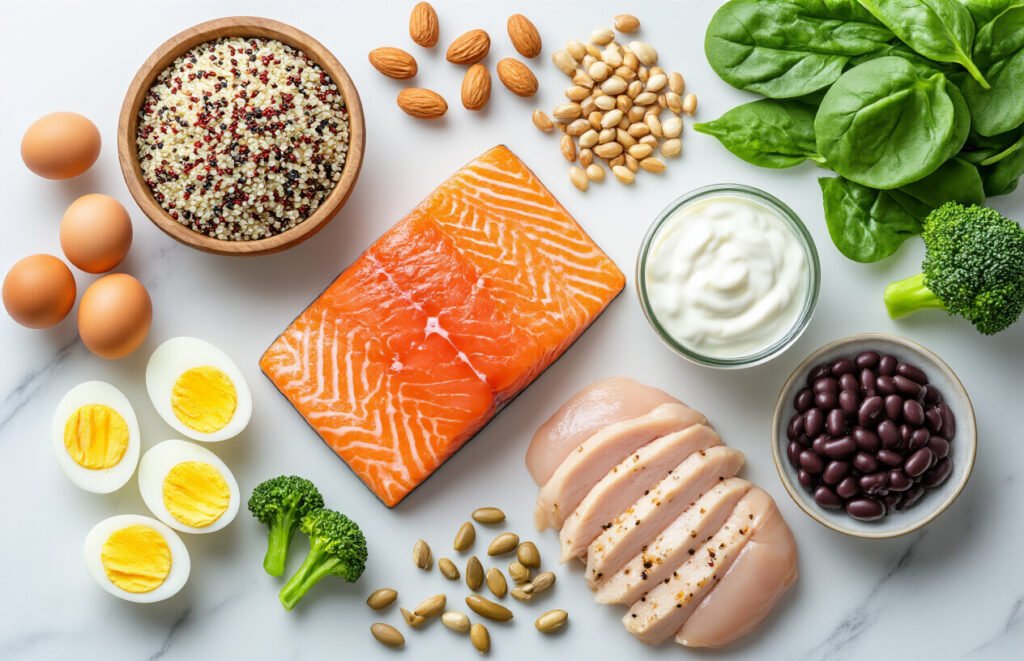
Did you know that chronic inflammation is at the root of most modern diseases, from arthritis to Alzheimer’s? The anti-inflammatory diet isn’t just another trendy eating plan – it’s a scientifically-backed approach to using food as medicine. This way of eating focuses on reducing systemic inflammation in your body, which can DRAMATICALLY improve how you feel & function every single day.
This diet emphasizes foods rich in omega-3 fatty acids, antioxidants, & natural anti-inflammatory compounds. Fatty fish like salmon & sardines take center stage, along with colorful berries, leafy greens, nuts, seeds, & spices like turmeric & ginger. These foods contain powerful compounds that actively fight inflammation at the cellular level. Meanwhile, you’ll avoid or minimize inflammatory foods like processed meats, refined sugars, trans fats, & excessive amounts of omega-6 oils.
The transformation people experience can be remarkable. Joint pain that has plagued them for years may diminish, brain fog lifts, & energy levels soar. Research shows that following an anti-inflammatory diet can reduce markers of inflammation in the blood by up to 40% in just a few weeks. This isn’t just about feeling better – it’s about potentially preventing or reversing serious health conditions.
One of the most beautiful aspects of this approach is its flexibility. You don’t have to follow strict rules or eliminate entire food groups permanently. Instead, you gradually shift toward more anti-inflammatory choices while reducing inflammatory ones. Adding a handful of blueberries to your breakfast, choosing wild salmon over processed chicken nuggets, or seasoning your meals with turmeric instead of excess salt are small changes that compound into POWERFUL health benefits over time.
The Traditional Foods Movement: Wisdom of Our Ancestors
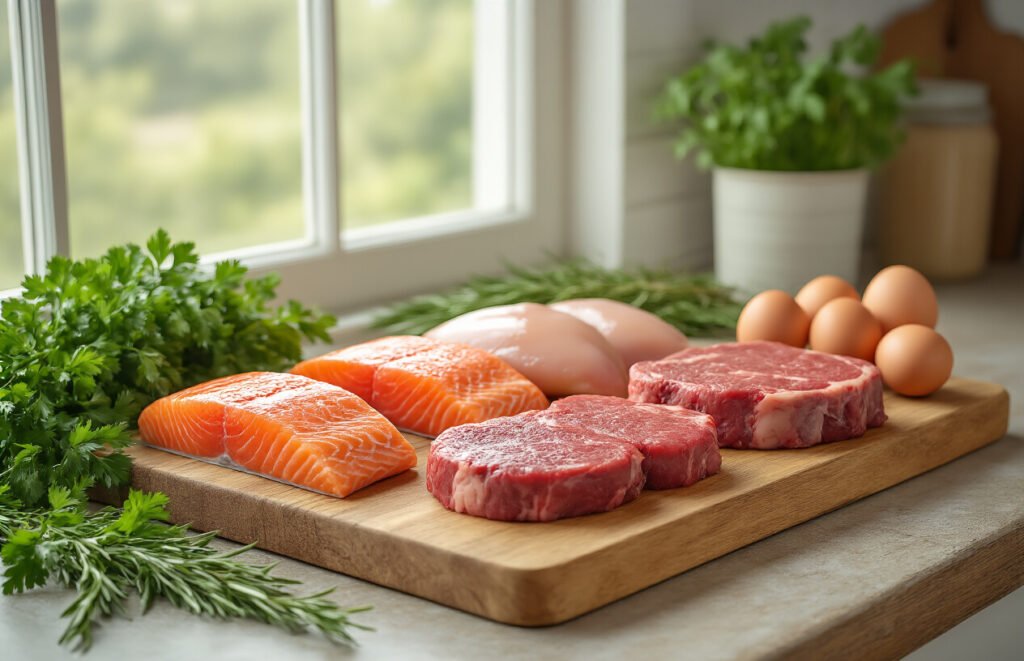
Long before nutritional science existed, traditional cultures around the world developed eating practices that supported robust health & longevity. The traditional foods movement seeks to reclaim this ancient WISDOM by studying how healthy populations ate before industrialization changed everything. This approach reveals remarkable similarities among diverse cultures, despite vastly different climates & available foods.
Traditional diets share several key characteristics: they include fermented foods for gut health, emphasize animal foods from pastured or wild sources, use traditional preparation methods like soaking grains & fermenting dairy, & avoid processed foods entirely. These cultures understood intuitively what science now confirms – that food quality matters more than quantity, & that how we prepare foods affects their nutritional value.
Consider the traditional Inuit diet, rich in fatty fish & marine mammals, which provided complete nutrition in the Arctic. Or examine the traditional Japanese diet, featuring fermented soy, seaweed, & fresh fish, which supported one of the world’s longest-lived populations. Each culture developed foods & preparation methods perfectly suited to their environment & genetic heritage.
The beauty of this approach lies in its RESPECT for food & eating as sacred acts. Traditional cultures didn’t eat on the run or mindlessly consume processed products. They prepared meals with care, ate together as communities, & understood food as nourishment for both body & spirit. Modern research validates many traditional practices, showing that fermented foods support gut health, bone broths provide easily absorbed minerals, & traditional fats like coconut oil & butter from grass-fed animals offer unique health benefits that processed alternatives cannot match.
Your Journey to Natural Health Starts Today
The path to optimal health doesn’t require expensive supplements, complicated meal plans, or extreme restrictions. As we’ve explored throughout this guide, the most POWERFUL healing foods are those that nature has provided for thousands of years. Whether you’re drawn to the Mediterranean’s emphasis on community & pleasure, the plant-based approach’s environmental benefits, the paleo diet’s simplicity, the anti-inflammatory diet’s therapeutic focus, or traditional foods’ time-tested wisdom, each offers unique gifts for your health journey.
The key to success lies not in perfection, but in progress. Start by choosing one or two principles that resonate with you & gradually incorporating them into your daily routine. Maybe you’ll begin by adding more colorful vegetables to your meals, switching to olive oil, or trying fermented foods. Small, consistent changes compound into TRANSFORMATIVE results over time.
Remember that the best diet is one you can maintain long-term while enjoying life’s pleasures. These natural approaches aren’t about deprivation – they’re about abundance, flavor, & nourishment. Listen to your body, experiment with different foods, & find what makes you feel energetic, satisfied, & healthy.
Your body has an incredible capacity to heal & thrive when given the right fuel. By choosing foods that work WITH your biology rather than against it, you’re not just changing what you eat – you’re reclaiming your health, energy, & vitality. The journey of a thousand miles begins with a single step. What will your first step toward natural health be today?